Why Are Apple Watch Straps So Expensive?
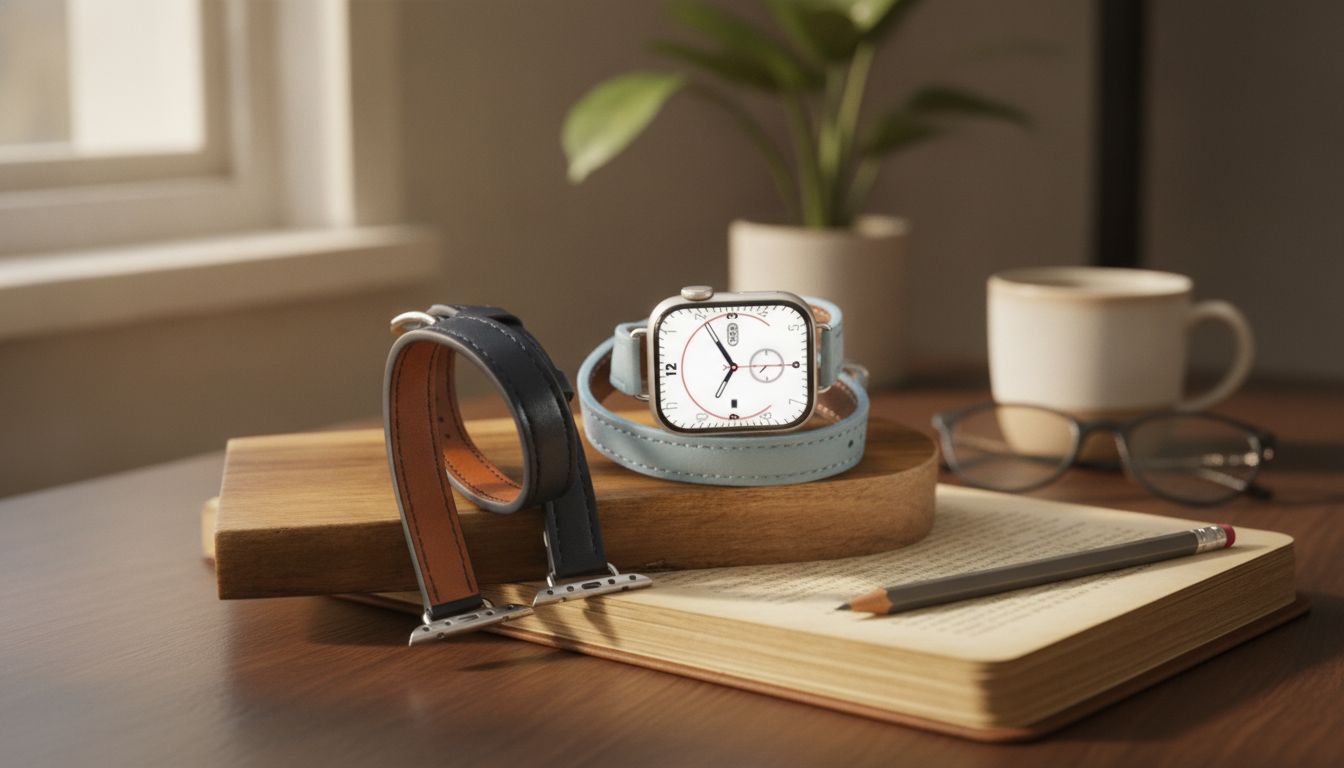
Why are Apple Watch straps so expensive?
Apple-branded watch bands can cost more than they appear to at first glance. You are paying for more than a strip of fabric, leather, or silicone: the price also reflects the connectors, clasp or closure, finishing, and the work required to make a band that fits and feels consistent across production runs. Branding and retail costs are part of the price, too.
What are you paying for?
The connection to your watch matters. A band needs to slide into the case securely, sit evenly, and stay attached through ordinary movement. Its closure should also be easy to use while holding comfortably on your wrist. These small parts and tolerances may not be obvious when you look at a band, but you notice them when a connector rattles or a clasp feels awkward.
Materials affect price as well. A woven band, a molded sport band, and a leather strap have different manufacturing and finishing requirements. Leather in particular can vary in texture, edge finish, stitching, and how it softens with wear. A higher price does not automatically mean a band will be more comfortable for you or last longer under your daily routine.
Is an Apple-branded band worth it?
It may be worth paying more if you want a particular material, color, closure, or finish and you are happy with the fit. If your priority is a dependable everyday band at a lower price, you can compare other options instead of choosing by brand alone. Our team recommends focusing on secure connectors, a comfortable closure, and a material suited to when you wear your watch.
Before you buy any band, match its stated case compatibility to your Apple Watch and make sure the available length accommodates your wrist. Once it arrives, slide both ends fully into place and gently tug them before wearing the watch. If a band does not lock securely, do not wear it.
If you are considering leather, our guide to Apple Watch leather strap fit, finish, and care walks you through the details to weigh. We want you to choose a strap that feels good in daily use, not simply the one with the highest price tag.
FAQ
How can you tell if an Apple Watch band fits securely?
Slide each end fully into the watch case, then gently tug to confirm it has locked in place. Do not wear a band if either end slips out or fails to lock.













Leave a comment