Leather Strap for Apple Watch: Fit, Finish & Care
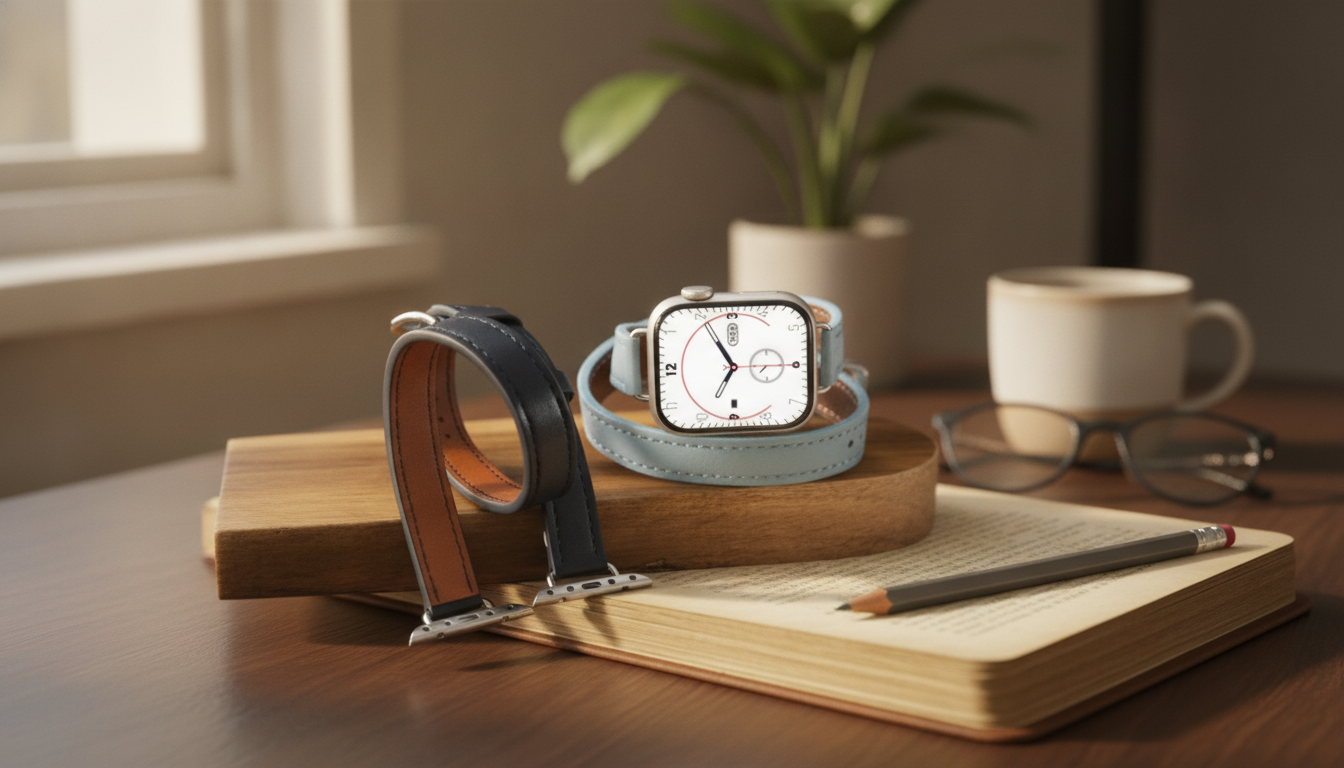
Premium Leather Strap for Apple Watch
A leather strap can make an Apple Watch feel more like a classic timepiece—comfortable for daily wear, easy to dress up, and better-looking over time as it develops character. The key is choosing the right size, a secure connector, and a leather finish that matches how and where the watch will be worn.
What a leather strap changes in day-to-day wear
Swapping to leather is one of the fastest ways to shift your Apple Watch from “tech” to “watch,” without sacrificing the convenience of notifications and tracking.
- Softer feel against the skin compared with many metal bracelets, especially during long workdays.
- A more traditional look that pairs naturally with office outfits, denim, and smart-casual styling.
- Leather can develop patina—subtle darkening and texture changes that make the strap look unique over time.
- Better temperature comfort than metal in cold environments; less “cold shock” when first putting it on.
- Not ideal for swimming or heavy sweating unless the strap is specifically designed and treated for that use.
Choosing the right size and compatibility
Apple Watch bands rely on precise connectors, so sizing and fit are more than comfort—they’re also about keeping the watch secure and stable on the wrist.
- Match the case size group: smaller cases (38/40/41/42 mm) and larger cases (44/45/46/49 mm) use different band widths and connectors.
- Confirm the connector style is made for Apple Watch (slide-in lug) and locks in place without wiggle.
- Check wrist size range: a good fit allows one-finger slack—snug enough for sensors to work, not tight enough to leave deep marks.
- If between holes, consider whether the strap has more adjustment holes or a slightly longer/shorter length option.
- For Ultra/49 mm cases, ensure the strap listing explicitly supports 49 mm or the 44/45/46 mm group.
If you’re not sure which model you have, Apple provides a quick guide to confirm it: Apple Support: Identify your Apple Watch.
Leather types and finishes that affect comfort and durability
Not all leather straps wear the same. The surface finish, underside lining, and hardware details determine how comfortable the strap feels on day one—and how well it holds up over months of use.
- Smooth leather: clean, formal appearance; shows scratches more readily but also develops classic patina.
- Textured or pebbled finishes: better at hiding minor scuffs and fingerprints; often looks more casual.
- Lining matters: a softer lining can reduce irritation and help manage moisture on warmer days.
- Stitching and edge paint: tight stitching and sealed edges help reduce fraying and premature cracking.
- Buckle hardware: look for sturdy pins and a buckle finish that matches the Apple Watch case (silver, graphite, black).
For shoppers who care about responsible leather sourcing, the Leather Working Group outlines widely used standards and auditing practices in the leather supply chain.
Premium Leather Strap for Apple Watch: standout features to look for
A premium strap should feel secure, look refined, and stay comfortable during long stretches—commutes, meetings, errands, and evenings out.
- Secure slide-in connectors that seat flush with the watch case.
- Comfortable break-in: leather typically softens after several wears for a custom fit.
- A balanced thickness: substantial enough to feel premium, not so thick that it lifts the watch off the wrist.
- A classic buckle for dependable hold throughout the day.
- A versatile design that works for business attire, casual wear, and evening looks.
If you’re ready to upgrade, these in-stock options fit different case sizes and style preferences:
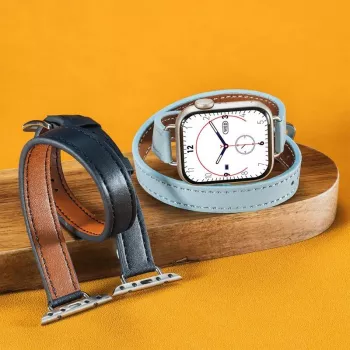
- Premium Leather Strap for Apple Watch
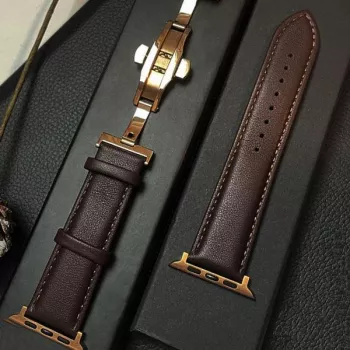
- Premium Leather Strap for Apple Watch (49mm/45mm/44mm/41mm/40mm)
- Milanese Magnetic Stainless Steel Band for Apple Watch
- Corduroy Fabric Strap for Apple Watch
Quick comparison: leather vs other popular strap materials
Material choice comes down to routine. If your day mixes desk time with dinner plans, leather is often the most natural all-rounder. If your schedule leans sweaty or wet, rotate to something washable and switch back after.
| Material | Best for | Feel on wrist | Care needs |
|---|---|---|---|
| Leather | Work, daily wear, dressy outfits | Softens over time; warm, classic | Keep dry; condition occasionally |
| Corduroy fabric | Casual outfits, low-sweat days | Soft, cozy texture | Spot clean; air dry |
| Milanese stainless steel | Minimalist look, easy micro-adjustment | Cooler, smooth metal | Wipe clean; avoid abrasives |
Fit, comfort, and sensor performance
A leather strap can be extremely comfortable, but proper fit matters—especially for heart-rate tracking and other readings that need stable skin contact.
- Heart-rate and blood-oxygen readings typically work best with a stable fit—snug, not constricting.
- If the watch shifts during typing or walking, move to a tighter hole or a different strap length.
- If the strap feels stiff at first, short daily wear sessions help the leather break in gradually.
- For sensitive skin, prioritize a smooth lining and avoid overtightening; clean the underside regularly.
Care routine to keep leather looking sharp
Leather rewards simple, consistent care. A minute here and there helps prevent dryness, cracking, and lingering odors.
Simple installation and safety check
Band swaps are quick, but take an extra moment to confirm the connectors are fully seated. Apple’s step-by-step overview is here: Apple Support: Change your Apple Watch band.
Alternatives for different styles and routines
FAQ
Will a leather strap work for workouts?
Leather is best for everyday and dress wear; for heavy sweat or water exposure, switch to a washable fabric or metal band and rotate back to leather afterward.
How can the correct Apple Watch strap size be confirmed?
Match the watch case size group (smaller vs larger cases) and confirm the strap listing includes that size; then choose a strap length that fits wrist circumference comfortably.
How should a leather strap be cleaned if it starts to smell?
Wipe the underside with a slightly damp cloth, let it fully air dry away from heat, and condition lightly; avoid soaking and avoid harsh detergents.












Leave a comment