The Least Environmentally Friendly Ways to Travel
What is the least environmentally friendly way to travel?
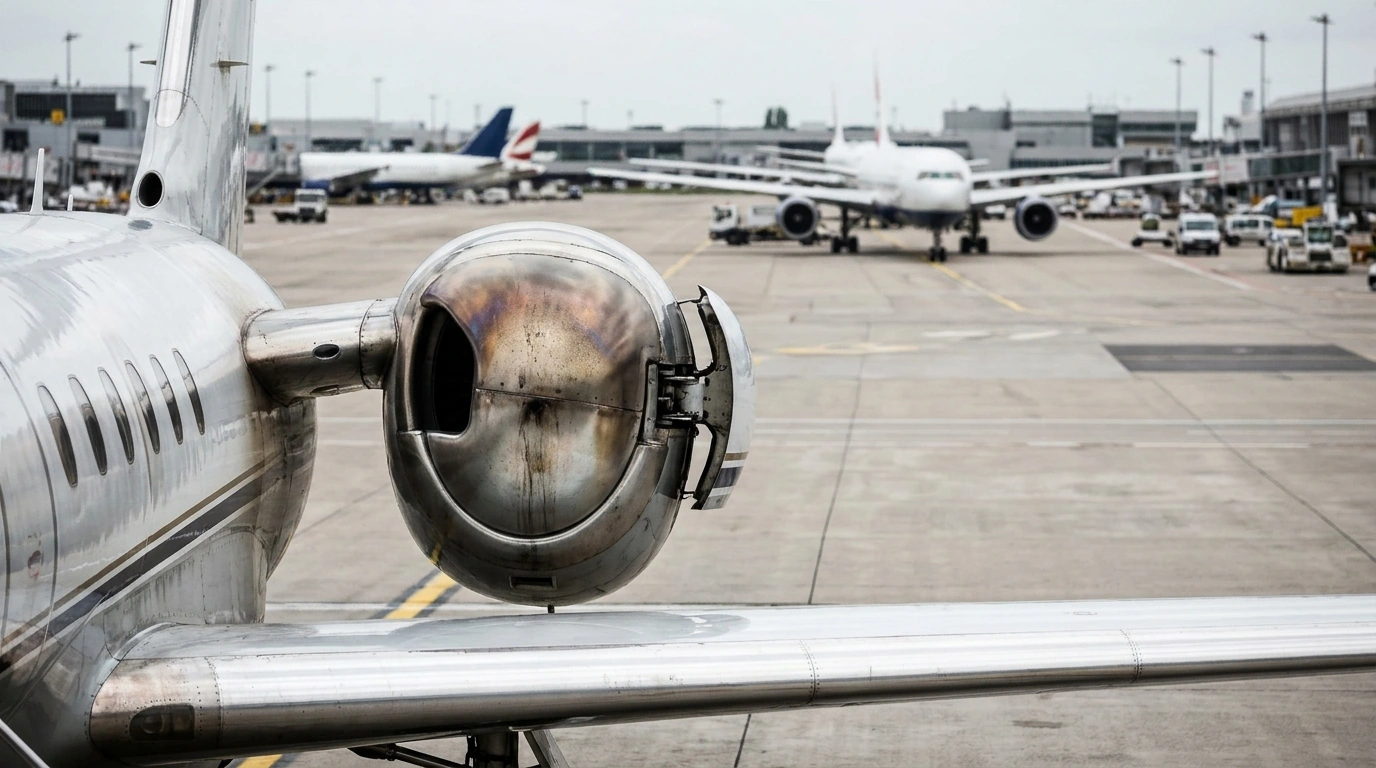
For most travelers, a private jet is among the least environmentally friendly ways to travel. It burns substantial fuel while carrying very few passengers, so its climate impact per person can be especially high. If you are comparing options for an ordinary trip rather than a private flight, a short commercial flight is often a high-impact choice—particularly when a train or bus can cover the same route.
Why does the answer depend on the trip?
Distance, passenger count, and the alternative you would take all matter. A plane uses a lot of fuel during takeoff and landing, which makes short flights less efficient per mile. A car trip can also have a high impact per person if you drive alone, while sharing the ride spreads that impact among passengers. Cruise vacations add another consideration: the ship functions as both transportation and a destination, using energy throughout the trip.
That is why we recommend comparing realistic options for your route instead of relying on a single ranking. If you can take a train instead of a short flight, that is often a meaningful change. If you need to drive, filling empty seats with people already making the trip can help. For a longer journey where flying is the practical choice, a nonstop economy flight generally avoids the extra takeoff and landing associated with a connection and uses cabin space more efficiently than a premium seat.
How can you make your next trip lower impact?
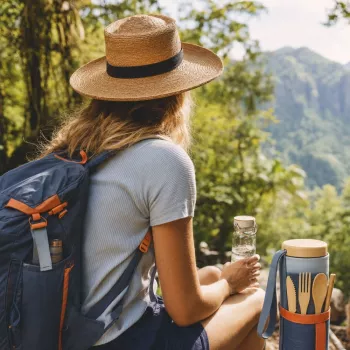
Start with the biggest decision: how and how far you travel. Choosing a closer destination, staying longer rather than taking several brief trips, or replacing a flight with ground transportation may do more than swapping any single item in your bag. Once your route is set, pack what you will actually use. A refillable water bottle, a durable tote, and toiletries you already own can help you avoid buying disposable replacements along the way.
Our team favors reusable travel gear that fits your itinerary without adding unnecessary bulk. A leak-resistant bottle is useful when you have access to refills; a compact tote earns its place when you expect to shop or carry food. For more practical packing ideas, see our zero-waste packing checklist for sustainable travel. Packing thoughtfully complements a lower-impact transportation choice, but it does not cancel out the emissions from a high-impact trip.
FAQ
Is packing light better for the environment?
Packing light can reduce the weight carried by a vehicle, but the benefit from one bag is usually small compared with choosing a lower-impact way to travel. Bring what you need, and prioritize durable items you will use repeatedly.















Leave a comment