Zero-Waste Packing Checklist: Sustainable Travel Made Easy
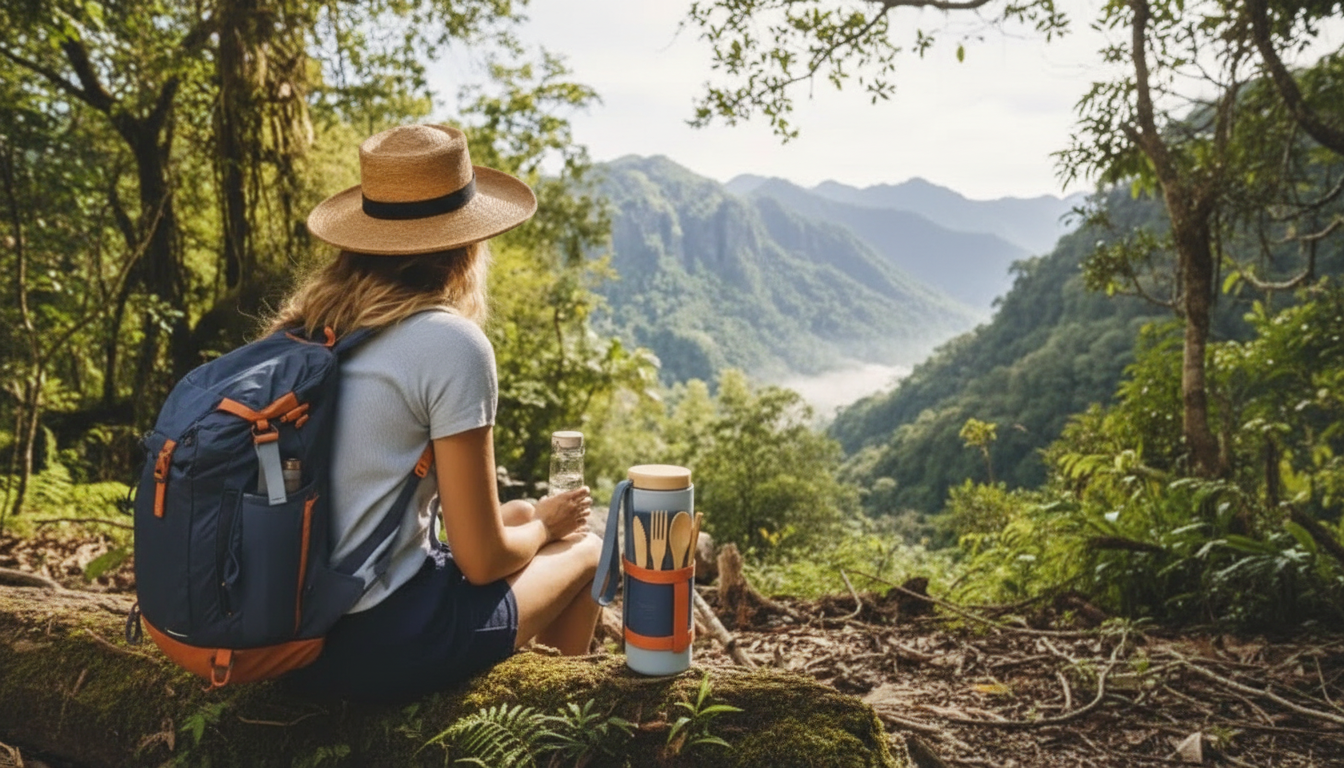
Packing sustainably is easier when decisions are made before the suitcase opens. A reusable, low-waste kit reduces single-use purchases, keeps luggage lighter, and makes it simpler to stick with greener habits on the road. Below is a simple, repeatable checklist—organized by packing category—plus quick routines that help cut trash without sacrificing comfort.
Start With a “Zero-Waste Core Kit”
The fastest way to reduce travel waste is to keep a small pouch permanently stocked between trips. When your essentials are already packed, it’s easier to skip last-minute airport bottles, hotel freebies, and impulse convenience items.
- Choose a small pouch that stays packed between trips so nothing is re-purchased at the airport or hotel.
- Focus on reusables that replace the most common travel waste: bottles, cups, utensils, bags, and mini toiletries.
- Keep one compact cleaning item (a small soap bar or soap sheets) to rinse containers and avoid disposable wipes.
- Aim for multi-use items: a scarf that works as a blanket, a bandana that works as a towel, a container that works as a lunch box.
Core kit: reusable swaps that prevent the most waste
| Common single-use item | Reusable alternative | Packing note |
|---|---|---|
| Plastic water bottles | Refillable bottle | Choose a leakproof bottle; add a carabiner for day trips |
| Disposable cutlery | Travel utensil set | Include chopsticks or a spork to keep it compact |
| Plastic bags | Foldable tote + 2 produce bags | Use produce bags for laundry or wet swimwear |
| Coffee cups | Collapsible cup or insulated mug | Bring one lid-compatible option for transit days |
| Mini toiletries | Solid shampoo/soap bars or refillable bottles | Pack in a ventilated tin or soap saver pouch |
| Paper towels/napkins | Small cloth + handkerchief | Quick-dry fabric works best for frequent rinsing |
For a ready-to-use packing system that’s easy to reuse trip after trip, keep a copy of the Eco-Friendly Traveler Checklist (digital download) on your phone (and optionally one printed page for backup).
Zero-Waste Toiletries Without the Mess
Toiletries are where travel trash piles up quickly—tiny bottles, plastic-wrapped samples, and “just in case” purchases. A streamlined kit keeps your routine familiar while minimizing packaging.
- Prioritize solids (soap, shampoo bar, conditioner bar, solid deodorant) to reduce liquid restrictions and plastic.
- Use refillable, clearly labeled bottles for any liquids that must come along (sunscreen, skincare essentials).
- Pack a small reusable container for medications and a minimal first-aid kit to avoid buying individually wrapped items.
- Replace disposable cotton rounds with washable rounds; swap wipes for a small cloth plus a gentle cleanser.
- Choose reef-safer sunscreen where relevant and follow local guidance for protected areas.
To keep solids tidy, let bars dry fully before packing. If you need to pack damp items, separate them in a breathable pouch and air them out at your destination the same day.
Clothing: Fewer Pieces, Better Outcomes
A smaller, more versatile wardrobe cuts weight, reduces over-washing, and makes it less likely you’ll buy cheap “emergency” clothing on the road.
- Build a capsule around climate and activities: pick a coordinated color palette so every top matches every bottom.
- Favor durable, repairable fabrics and layers over bulky single-purpose items.
- Add a compact repair kit: needle, thread, a few safety pins, and a small patch for quick fixes.
- Plan laundry: a sink-wash strategy plus quick-dry pieces often cuts the total clothing volume by a third.
- For shoes, one comfortable walking pair plus one compact alternate is usually enough for most itineraries.
Small habit change, big impact: hang items to air out overnight and re-wear when appropriate. It reduces water and energy use while keeping your bag lighter.
Food and Drinks on the Go (Without Single-Use Packaging)
Transit days are prime time for unnecessary packaging. A few reusables make it easier to eat well without accumulating wrappers, cups, and plastic utensils.
When you can’t avoid packaged food, consolidate trash into one small bag and dispose of it properly. The U.S. EPA’s guidance on Reduce, Reuse, Recycle is a helpful refresher for keeping waste prevention as the first step.
Electronics and Documents With a Lower Footprint
If you wear a smartwatch while traveling, a comfortable, durable band can reduce the temptation to buy an inexpensive replacement mid-trip. Two travel-friendly options include the Corduroy Fabric Strap for Apple Watch and the Milanese Magnetic Stainless Steel Band for Apple Watch.
Transport and Lodging Habits That Reduce Waste Fast
If you’ll be outdoors, align your habits with the Leave No Trace Seven Principles to help protect local environments—especially around waste, food scraps, and disposables.
A Quick Routine for Every Travel Day
Printable Digital Checklist for Stress-Free Packing
If you want a plug-and-play version, the Eco-Friendly Traveler Checklist (digital download) is easy to save, reuse, and adjust after each trip.
FAQ
What are the best zero-waste essentials to pack first?
Start with the highest-impact reusables: a refillable water bottle, a compact utensil set, a foldable tote, a small food container, and solid toiletries stored in a tin or pouch.
How can liquids be reduced while still meeting skincare needs?
Switch to solid shampoo and soap, then bring only a few clearly labeled, leakproof refillable bottles for essentials like sunscreen and daily skincare. Keeping liquids minimal also makes security checks easier.
Is a digital checklist useful for short trips, too?
Yes. A checklist prevents last-minute purchases and keeps your core kit ready, which is especially helpful for weekend travel, tight connections, and airport layovers.
















Leave a comment