Art of Fragrance Layering: Create a Lasting Signature
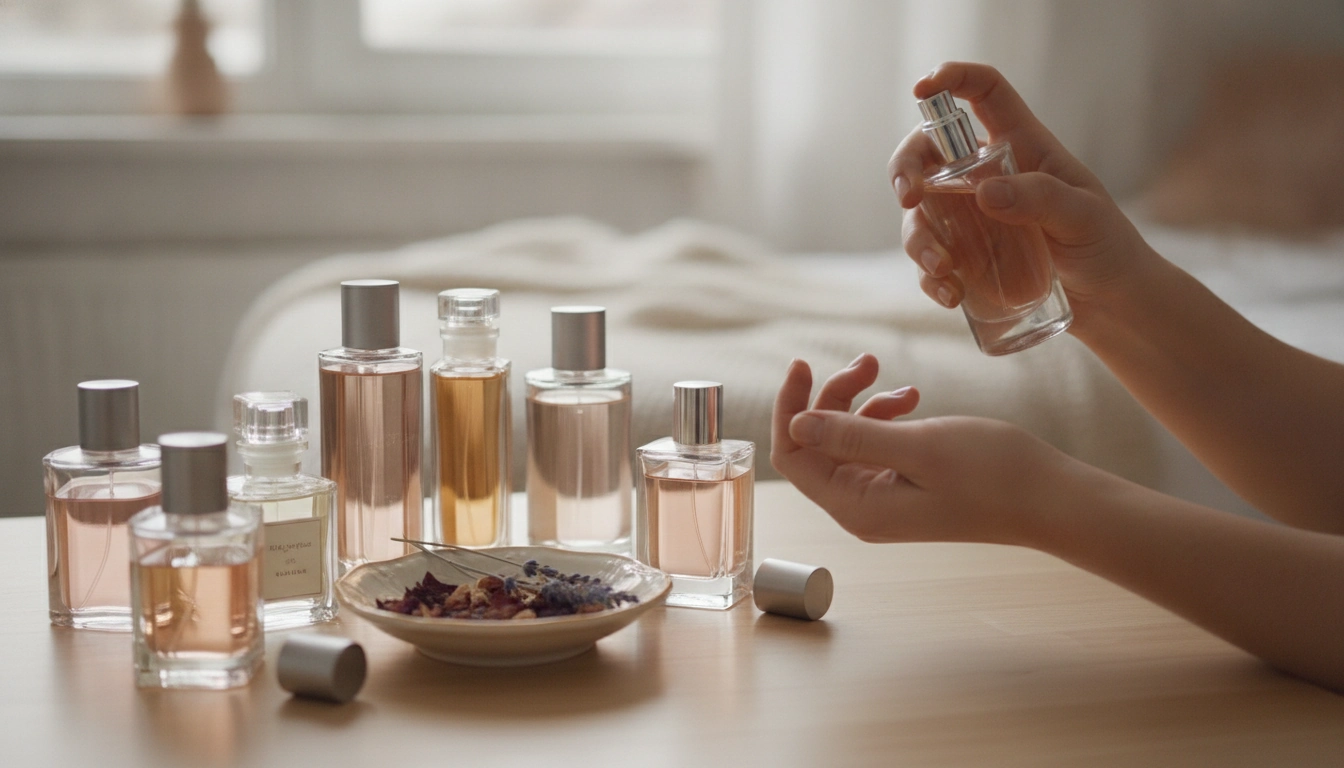
What is the art of layering fragrance?
The art of layering fragrance is the technique of combining multiple scented products—like body wash, lotion, oils, and perfume—to create a custom scent that feels more personal than a single spray. Instead of relying on one fragrance to do all the work, layering builds dimension: a clean base, a warm heart, and a finishing touch that lingers.
Done well, layering helps a scent last longer, evolve more smoothly on skin, and stand out without needing to be overpowering. It’s less about “mixing everything” and more about pairing notes that complement each other—think citrus brightening a vanilla base, or a soft musk smoothing out a sharp floral.
How fragrance layering works
Layering is all about structure and sequence. Start with products that sit close to the skin (soap, lotion, body oil), then finish with perfume. Heavier textures and base notes tend to anchor a blend, while fresher notes add lift. When the foundation is moisturized, fragrance molecules cling better, which often improves wear time.
How to create a signature blend without clashing
A simple approach is to choose one “anchor” scent family—warm (vanilla, amber), fresh (citrus, aquatic), floral, or woody—and then add one supporting note that enhances it. For example, pair a sandalwood fragrance with a hint of bergamot for brightness, or a rose scent with a clean musk to keep it modern.
Keep the number of layers small at first (two to three), and test on skin, not just paper. Skin chemistry can amplify sweetness, sharpen woods, or mute florals, so small adjustments matter.
Best practices for lasting, balanced results
- Apply fragrance to hydrated skin, especially pulse points.
- Use lighter sprays for top notes and fewer sprays for intense base notes.
- Let each layer settle for a minute before adding the next.
For a step-by-step beginner approach and note-pairing ideas, visit this guide to fragrance layering for beginners.
FAQ
How do you start layering perfume as a beginner?
Start with one main fragrance and add just one complementary layer, like a matching lotion or a second scent in the same family. Test on skin and adjust the amount before trying more combinations.















Leave a comment