Room-by-Room Babyproofing Checklist for a Safer Home
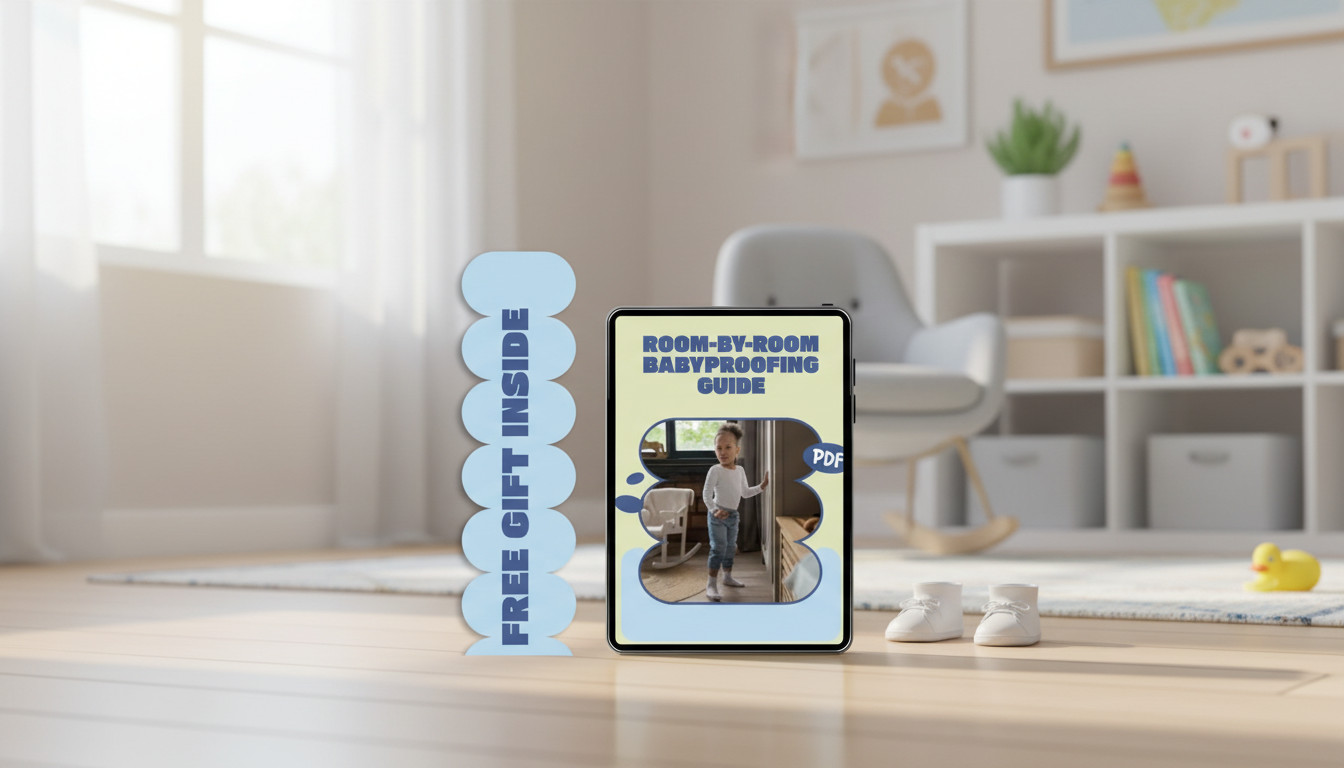
Room-by-Room Babyproofing Guide for New Parents and Caregivers
A practical home safety plan helps reduce everyday hazards as babies learn to roll, crawl, stand, and climb. This room-by-room guide organizes the most important checks, prioritizes high-risk areas, and builds a repeatable routine for caregivers—so safety doesn’t depend on memory in the middle of a busy day.
Before Starting: Timing, Tools, and a Simple Safety Plan
Babyproofing works best when it tracks development instead of the calendar. Start with newborn essentials (safe sleep), then add protections as rolling introduces edge hazards, crawling brings floor-level access, cruising increases tip-over risk, and climbing calls for gates and locks that can’t be “outsmarted.”
Do a hands-and-knees scan in each room. Look for reachable cords, small objects, sharp edges, unstable furniture, and anything that could be pulled down. Then set a few simple rules every caregiver follows: doors stay latched, medicines go back into a locked space immediately after use, cords stay secured, and gates are always closed.
Keep a basic kit handy: outlet covers, cabinet/drawer latches, door knob covers, corner guards, anti-tip straps, cord shorteners, window guards (where needed), and a flashlight for under-furniture checks. Add an emergency readiness layer: post the Poison Control number, keep a first-aid kit accessible to adults, test smoke/CO alarms, and set hot water temperature to reduce scald risk.
Whole-Home Non‑Negotiables
Some protections matter everywhere, no matter the room layout. Safe sleep is the foundation: use a firm, flat surface, keep soft bedding and loose items out of the sleep space, and confirm your crib or bassinet meets current safety standards. Next, stabilize furniture—anchor dressers, bookcases, and TVs, and avoid putting tempting items (like remotes) up high where a child might climb to reach them.
Choking hazards travel: coins, batteries, small magnets, hair ties, and tiny toy parts. Make a daily habit of checking floors and under furniture. For poisoning prevention, “up high” is not enough—medications, vitamins, alcohol, cannabis products, cleaning supplies, and laundry pods should be in a latched cabinet or lockbox. For burns, keep hot drinks away from edges, turn pot handles inward, use back burners, and secure appliance cords. For drowning prevention, never leave standing water in tubs or buckets, latch toilet lids if needed, and supervise around any water source.
| Hazard | Where it shows up | What to do first | Recheck frequency |
|---|---|---|---|
| Tip-over | Dressers, TVs, bookcases | Install anti-tip anchors and move heavy items low | Monthly |
| Poisons | Kitchen, bath, laundry, bedside | Lock in a latched cabinet or lockbox immediately | Weekly |
| Choking | Living areas, under furniture | Daily floor sweep; battery/magnet storage | Daily |
| Falls | Stairs, windows, balconies | Install gates; add window guards/limiters as appropriate | Monthly |
| Burns/scalds | Kitchen, bathrooms | Turn handles in; set water heater temp; keep cords short | Quarterly |
Entryways, Hallways, and Stairs
Stairs deserve “no exceptions” hardware. Install hardware-mounted gates at the top of stairs; pressure-mounted gates are better suited for doorway-to-room boundaries where a fall down stairs isn’t possible. Keep hallways clear of loose rugs, shoe piles, bags with straps, umbrellas, and pet leashes that can tangle little feet.
Secure railing gaps if needed and keep furniture away from banisters to reduce climbing access. Create a consistent drop zone for keys, medications, coins, earbuds, and batteries—ideally in a closed container stored above reach. Door pinch guards can help reduce finger injuries, and a door alarm can add another layer once a toddler starts testing exits.
Living Room and Family Room
Anchor the TV and any top-heavy furniture, then “de-step” climbing routes by moving ottomans or low benches away from shelves. Cords are a common, overlooked hazard: bundle, shorten, or route them behind furniture, and keep blind cords and charging cables out of reach.
Kitchen: Heat, Sharp Tools, and Chemicals
Bathroom: Water, Medications, and Slips
Nursery and Bedrooms: Sleep and Storage Safety
Laundry Room, Garage, and Utility Spaces
Windows, Balconies, and Outdoor Areas
Keeping It Working: Maintenance and Caregiver Handoffs
For shared caregiving, leave simple handoff notes: restricted zones, where emergency numbers are posted, and what must stay locked. Update your plan every 2–3 months as reach and mobility change—move hazards upward and add barriers as climbing begins. Keep product manuals and recall resources for cribs, gates, and anchors, and register durable baby gear when possible. For additional guidance, see American Academy of Pediatrics — Home Safety, the CPSC’s Anchor It! tip-over prevention, and CDC child safety resources.
Printable Room‑by‑Room Checklist and Planning eBook
If you want a single place to track what’s done, what’s pending, and what needs rechecking as your child grows, a guided checklist can simplify the process—especially for grandparents, babysitters, or shared custody routines. The Room-by-Room Babyproofing Guide eBook is designed to support a room-by-room approach so higher-risk areas get handled first without missing common small hazards.
For busy caregivers, pairing a written plan with consistent “put it back locked” habits often makes the biggest difference day to day. (Unrelated household accessories are available too, such as the Corduroy Fabric Strap for Apple Watch and the milanese-magnetic-stainless-steel-band-for-apple-watch, plus the premium-leather-strap-for-apple-watch-49mm-45mm-44mm-41mm-40mm.)
FAQ
When should babyproofing start?
Start before mobility: handle safe sleep immediately, then address floor-level hazards and stair gates before crawling. Revisit again as cruising and climbing begin.
What are the most important babyproofing upgrades to do first?
Prioritize tip-over prevention, locking up poisons/medications, installing stair gates, and removing choking hazards—including button batteries and small magnets.
Do outlet covers and cabinet locks make a home fully safe?
No—these tools reduce common risks, but safety works best in layers: anchors, locks, barriers, consistent routines, and regular rechecks, along with active supervision.
















Leave a comment