Fireworks Dog Anxiety: Calm Plan Before, During & After
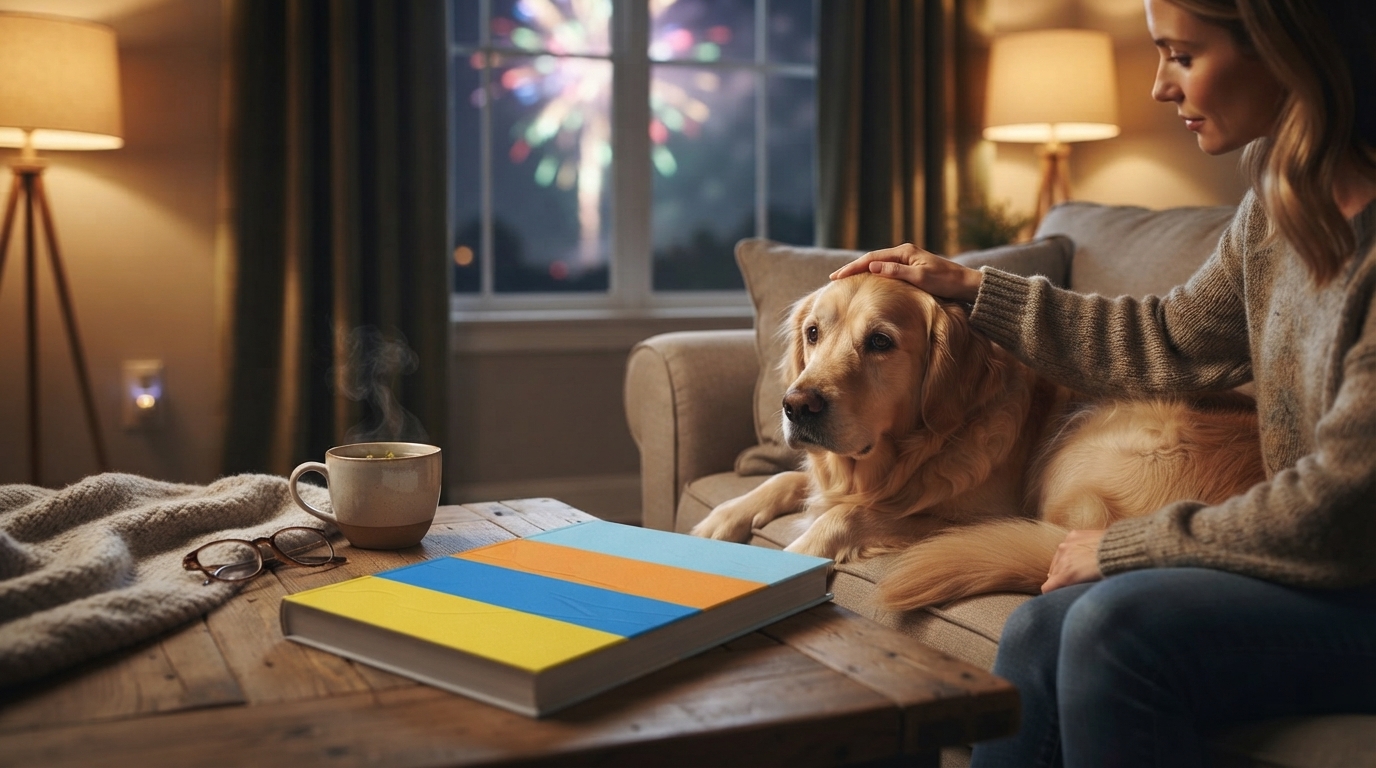
Fireworks Without Fear: A Practical Plan to Calm Dog Anxiety
Fireworks can turn a fun holiday into a long, stressful night for dogs that struggle with loud, unpredictable noise. The good news: a calm, step-by-step approach—starting before the first boom—can lower fear, reduce escape risk, and help your dog recover faster. Below is a practical plan you can repeat for any noisy event: prep in advance, set up the home for success, make simple choices during the noise, and build long-term improvement after the holiday. For more guidance, see How to Keep Pets Calm During Fireworks.
Why fireworks trigger anxiety in dogs
Fireworks combine sudden bangs, rumbling vibrations, sharp whistles, and bright flashes—all of which can trigger a dog’s startle reflex and keep stress hormones elevated. Unlike a predictable sound (like a vacuum that turns on in the same room each time), fireworks are erratic: they echo, change direction, and happen without warning. For further reading, see How to Keep Your Dog Calm During Fireworks.
Noise sensitivity can be influenced by genetics, past scary experiences, limited early exposure to sounds, and age-related changes in hearing or cognitive processing. Once a dog learns that “nighttime booms” are terrifying, the fear response can get rehearsed year after year—meaning the anxiety starts earlier, lasts longer, and escalates faster without a coping plan.
Common signs include pacing, trembling, panting, hiding, drooling, barking, destructive behavior, and attempts to escape through doors, windows, or fences.
Prep begins days ahead: a calm timeline
Preparation isn’t about “toughening up” your dog—it’s about reducing surprises and building a safer, more predictable environment. A few small steps 2–3 days ahead can prevent the most dangerous outcomes (bolting and injury) while making the night easier to manage.
- Update ID tags and microchip registration, and confirm collar or harness fit. Panicked dogs can slip equipment that normally fits fine.
- Stock calming supports: high-value chews, food puzzles, long-lasting treats, a lick mat, and a favorite blanket or crate cover.
- Scout likely fireworks times (local events and neighbor patterns) and schedule potty breaks earlier in the day.
- Begin sound masking practice: play fireworks audio at very low volume while feeding or playing, keeping your dog under threshold (able to eat and relax).
- Plan exercise and enrichment earlier to lower baseline stress, but avoid overstimulation right before evening.
Quick plan for the 72 hours around fireworks
| When | What to do | Goal |
|---|---|---|
| 2–3 days before | Check ID/microchip, gather chews and puzzles, start gentle sound masking at very low volume | Reduce risk and build predictable routines |
| Day of (morning/afternoon) | Long walk or sniffy outing, training games, early potty breaks, feed earlier if appetite drops at night | Lower arousal; prevent late-night outdoor stress |
| 1–2 hours before | Set up safe room, close windows/curtains, start white noise/TV, offer chew or stuffed toy | Create a controlled environment before the first bangs |
| During fireworks | Stay calm, keep indoors, offer quiet comfort if sought, use treats for small calm moments | Prevent panic spirals and escape attempts |
| After | Short indoor decompression, late potty only if quiet, keep routine steady the next day | Help recovery and reduce next-event sensitization |
Create a safe room that actually works
A “safe room” is less about a perfect setup and more about controlling two inputs: sound and light. Choose an interior room, basement area, or even a large closet space where outside noise and flashes are naturally muted.
For additional guidance with checklists and repeatable routines, consider the Calming Dog Anxiety During Fireworks practical eBook guide, which lays out a clear sequence to follow before, during, and after noisy nights.
What to do during the fireworks: simple, calming choices
A practical tip for humans: keeping your own routine steady helps your dog read the room. If you like to keep your hands free while managing treats, gates, and leashes, a comfortable everyday accessory can help you stay organized—such as the Corduroy Fabric Strap for Apple Watch or the milanese-magnetic-stainless-steel-band-for-apple-watch for quick timers and reminders without juggling your phone.
Training for long-term improvement (after the holiday)
When to talk to a veterinarian or behavior professional
For additional reputable guidance, see the American Veterinary Medical Association’s fireworks safety tips and the ASPCA overview of fear and noise aversion.
A practical eBook option for step-by-step guidance
If a structured plan is easier to follow than piecing together tips, the Calming Dog Anxiety During Fireworks practical eBook guide focuses on preparing the home, building calmer routines, and using straightforward techniques to reduce panic during noisy holidays. It’s especially useful for caregivers who want checklists, repeatable routines, and a clear sequence for before, during, and after fireworks.
FAQ
Is it okay to comfort a dog during fireworks?
Yes—calm, steady comfort can help if your dog seeks it. Keep your voice and touch relaxed, focus on safety and predictable routines, and reward small calm moments when they happen.
Should a fearful dog be taken outside to “get used to” fireworks?
No. Forced exposure can worsen fear and increases escape risk. Use controlled sound masking indoors and work on gradual, positive training at a level your dog can handle.
What if a dog is panicking and won’t eat treats?
Prioritize containment in a safe room and reduce sensory input by dimming lights and adding steady white noise. If panic is intense or prolonged, contact a veterinarian for support because the fear may be beyond what training can address in the moment.














Leave a comment