Best Books to Help Kids With Picky Eating (By Age)
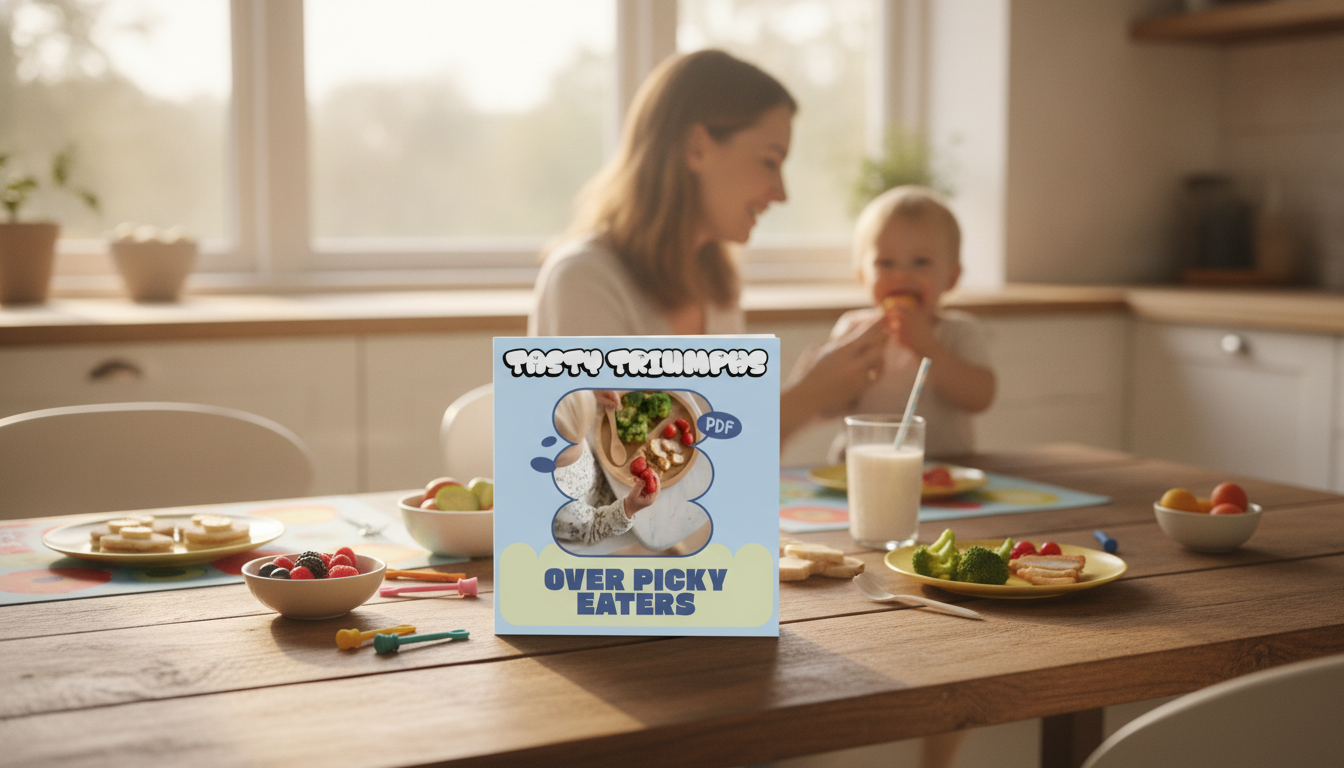
What are the best books for helping children with picky eating?
The best books for picky eating are the ones that lower pressure at the table, teach you repeatable routines, and give you language you can use in the moment. Our team recommends choosing one practical parent guide to anchor your approach, then adding a couple child-friendly storybooks that normalize trying new foods without turning meals into a battle. If you want a step-by-step framework for calmer meals alongside book ideas, visit our full guide here: https://grandofferhall.shop/guide-picky-eater-help-calm-mealtimes-better-habits/.
Parent guides that actually change mealtimes
Start with a parent-focused book that emphasizes structure over persuasion. Look for titles that cover division of responsibility (you choose what/when/where; your child chooses whether/how much), repeated low-stakes exposure, and how to respond when your child refuses food without negotiating. The best guides also include scripts, sample menus, and strategies for daycare, grandparents, and travel.
Storybooks that help kids feel safe around new foods
For toddlers and preschoolers, pick storybooks where characters explore foods through senses—smell, touch, lick, bite—rather than “take three bites” rules. Books that celebrate curiosity (“learning about” foods) work well because they support a no-pressure approach while still encouraging bravery. Our team also likes interactive books that invite you to talk about colors, crunch sounds, and favorite dips.
Cookbooks and food-play books for older kids
If your child is school-age, a kid-friendly cookbook can be a game changer—especially those with short ingredient lists, pictures, and clear steps. Choose books that let kids build meals (wraps, snack plates, tacos) so they can keep “safe foods” on the plate while experimenting with tiny add-ons. Food-science or kitchen-experiment books can also help reluctant eaters engage without focusing on eating right away.
How to pick the right book for your child
Match the book to your biggest pain point: gagging/sensory sensitivity, power struggles, extremely limited variety, or mealtime anxiety. You’ll get more traction from a book that fits your situation than from the most popular title. Keep the tone supportive, not shame-based, and choose plans you can follow consistently for a few weeks.
FAQ
How can I make mealtimes less stressful for a picky eater?
Keep a predictable schedule, offer at least one familiar food each meal, and avoid pressuring bites or bargaining. Calmly end the meal when it’s over and trust your child to decide how much to eat from what’s offered.
















Leave a comment