Best iPhone Case for Drops: Features That Matter Most
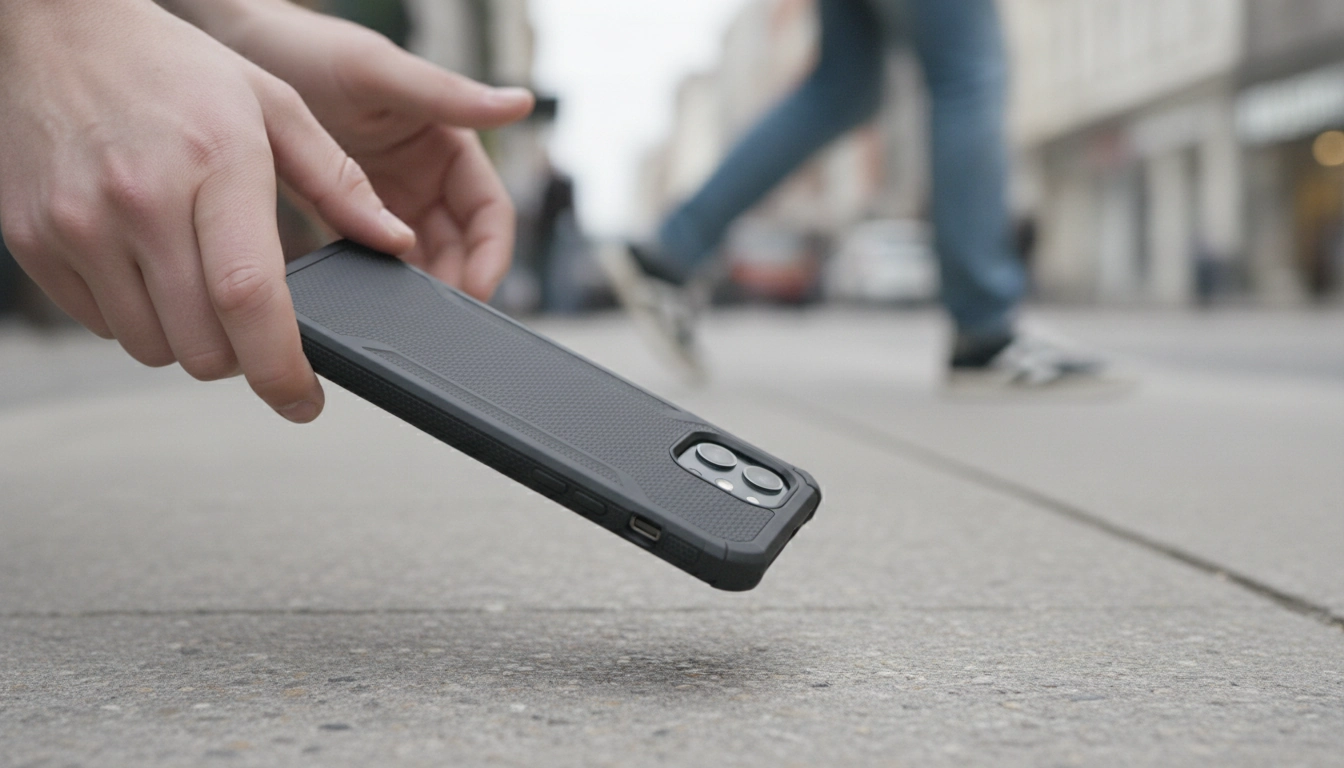
What is the best case to protect iPhone from drops?
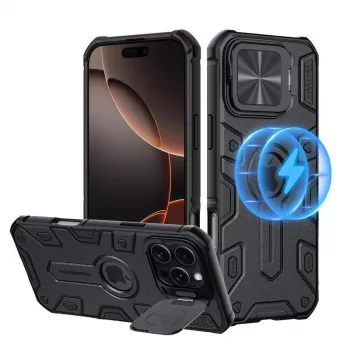
The best iPhone case for drop protection is a shock-absorbing case with a rigid outer shell, reinforced corners, raised edges around the screen and camera, and a secure (not loose) fit. Look for materials like TPU (for impact absorption) paired with polycarbonate (for structure), plus a grippy finish that helps prevent slips in the first place.
For real-world drops, corner protection matters most because phones commonly hit the ground on an edge or corner. A good drop case uses air pockets or extra padding in those corners to disperse impact. Raised bezels also make a difference: they keep the glass from taking the first hit when the phone lands face-down or camera-down.
What to look for in a drop-protection iPhone case
Rated drop protection: Many protective cases list a drop rating (often in feet). Higher is generally better, but prioritize trusted construction details over big numbers alone.
Reinforced corners: Corner bumpers, air-cushioning, or thicker TPU at the corners can reduce the chance of cracked screens and frame dents.
Raised screen and camera lips: A slightly taller rim helps prevent direct contact with hard surfaces, especially on newer iPhones with larger camera bumps.
Solid button coverage: Tactile button covers help keep dust out and reduce wear while maintaining easy clicks.
Grip and comfort: A case that’s too slick gets dropped more often. A lightly textured or rubberized edge can improve everyday handling.
A clear case that still protects
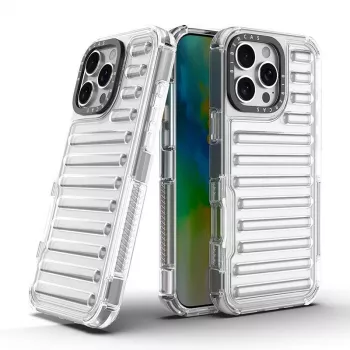
If keeping the iPhone’s color visible is important, a well-built clear case can still provide strong drop protection when it uses a TPU bumper, rigid back, and reinforced corners. For a practical breakdown of what to choose (especially for newer models), see this guide: clear drop-protection case for iPhone.
FAQ
Do clear iPhone cases protect well against drops?
Yes, as long as the clear case has a shock-absorbing TPU edge, reinforced corners, and raised bezels. Ultra-thin rigid-only clear cases tend to protect less during corner impacts.













Leave a comment