High-Quality Leather: Signs of Real Grain and Patina
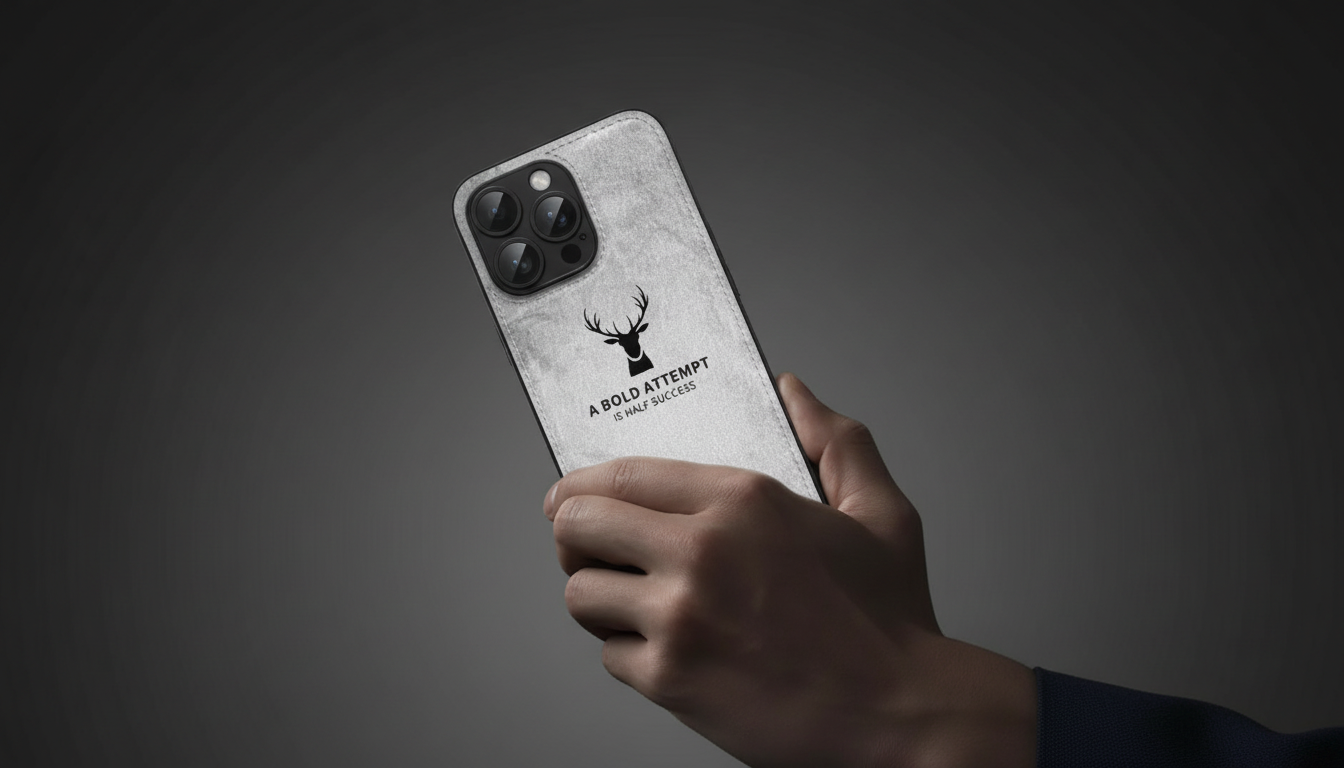
What does high quality leather look like?
High quality leather looks rich, natural, and a little “alive”—not flat or plastic. The surface typically shows subtle variation in tone and grain, with depth that changes slightly as light moves across it. Instead of looking perfectly uniform, premium leather often has gentle character marks and a tight, consistent structure that signals strength and longevity.
Natural grain and believable texture
The best leathers commonly feature a natural grain pattern that isn’t repetitive or stamped-looking. You’ll notice pores and fine grain that feel organic, with small variations rather than a cookie-cutter print. If the grain looks overly identical across the entire panel, that can indicate heavy embossing or a coated finish that masks the hide’s real texture.
Color depth and finish (not shine)
Quality leather usually has color that looks layered—deeper in creases and slightly lighter on raised areas. A soft luster is normal, but an overly glossy, mirror-like shine can suggest a thick synthetic topcoat. Matte or satin finishes often highlight the hide’s natural look and tend to age more attractively with use.
Clean edges, consistent thickness, and solid construction
Look at the edges and cut lines. High quality leather goods often have neatly finished edges (painted, burnished, or turned) without fraying, cracking, or rough fuzz. Panels should look evenly thick, and the piece should hold its shape without feeling stiff like plastic. Stitching is usually tight and straight, with no loose threads or skipped holes.
How it ages: patina over peeling
Premium leather tends to develop patina—a warmer, deeper look over time—rather than peeling, flaking, or bubbling. When you gently flex it, the surface should not show immediate cracking. Small changes in shade and softening are normal and often desirable, especially for everyday accessories.
For a closer look at how texture and grain can be showcased in everyday items, see the main guide here: https://grandofferhall.shop/guide-deer-pattern-leather-texture-case-apple-iphone/.
FAQ
How can you tell if leather is real or synthetic?
Real leather usually has irregular grain, natural pores, and a warm, slightly “skin-like” feel, while synthetic materials often look overly uniform and feel cooler or more plasticky. Real leather also tends to develop patina with use instead of peeling.











Leave a comment