Chess Benefits: Focus, Planning, and Resilience

What can playing chess do for you?
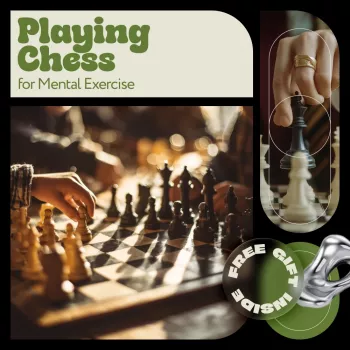
Playing chess can sharpen how you think under pressure, train your attention, and strengthen decision-making skills that carry into everyday life. Because every move has consequences, chess pushes you to plan ahead, weigh trade-offs, and adapt when the situation changes.
Build stronger focus and mental stamina
A single game asks you to hold multiple ideas in your head: threats, defenses, time, and long-term plans. Over time, that repeated “scan, evaluate, decide” cycle can improve concentration and help you stay engaged with complex tasks longer without drifting.
Improve problem-solving and planning
Chess rewards players who can spot patterns, anticipate outcomes, and create step-by-step plans. You learn to ask useful questions: What is my opponent threatening? What is my best improvement? What happens if I trade pieces? That kind of structured thinking can make it easier to tackle real-world problems without getting overwhelmed.
Practice emotional control and resilience
Everyone blunders. Chess gives fast feedback, and it teaches you to recover calmly instead of spiraling. Learning to pause, reset, and keep playing after a mistake can translate into better patience, reduced impulsive decisions, and more confidence when things don’t go perfectly.
Support memory and pattern recognition
Openings, tactical motifs, and endgame ideas repeat across games. As you play, you naturally build a library of familiar positions and “if-then” responses. That strengthens recall and helps you recognize winning opportunities faster.
Make improvement feel measurable
Progress in chess is easy to track: fewer one-move mistakes, better time management, and clearer plans. If you want a simple way to turn chess into a consistent brain workout, follow the step-by-step routine in this beginner-friendly 4-week chess mental exercise plan.
FAQ
How long does it take to get better at chess?
Most beginners notice improvement within a few weeks of regular play, especially if they review mistakes and practice basic tactics. Consistency matters more than long sessions, so 15–30 minutes a day can add up quickly.















Leave a comment