Winter EV Routine: Protect Range, Charging & Battery
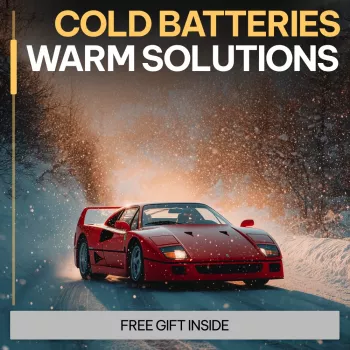
Cold Batteries, Warm Solutions: A Winter EV Routine That Protects Range, Charging, and Battery Health
Winter doesn’t just feel harder on an EV—it changes how the battery delivers power, how fast it can charge, and how efficiently the cabin stays warm. Cold Batteries, Warm Solutions: Ultimate Winter EV Guide, eBook & Checklist for Cold-Weather Driving, Battery Care, and Smart Charging Tips is our practical eBook + checklist built for real cold-weather driving: what to do before a trip, what to change during daily commutes, and how to charge smarter so you spend less time waiting and more time moving.
If you want deeper background on why EVs behave differently in the cold, we also recommend the U.S. Department of Energy’s overview at Alternative Fuels Data Center and consumer-facing winter range guidance from AAA.
Why cold weather changes everything (and what’s normal)
Cold weather affects nearly every efficiency lever at once. That’s why winter range loss can feel dramatic, even when nothing is “wrong.” Here’s what’s normal—and what to plan around:
- Expect lower efficiency: more energy goes to cabin heat, battery warming, and higher rolling resistance in cold conditions.
- Regenerative braking may be limited when the pack is cold; that’s a protection feature, not a fault.
- Fast charging can slow down until the battery reaches a safe temperature window—battery temperature is often a bigger factor than the charger’s advertised speed.
- Short trips are tougher in winter: the EV spends a larger share of energy warming systems rather than cruising efficiently.
- Good winter habits aren’t about “saving a few percent”—they’re about keeping the battery in an easier operating range and reducing avoidable cold-soak events.
Winter EV pain points and the habits that usually fix them
| What you notice | Likely cause in cold weather | Better habit to try |
|---|---|---|
| Range drops more than expected | Cabin heat + cold-soaked battery + winter tires/roads | Precondition while plugged in; warm the cabin before departure; plan a buffer |
| Fast charging is slow at first | Battery pack too cold for high-rate charging | Navigate to the charger to trigger battery preconditioning; avoid arriving with a fully cold pack |
| Regen feels weak or inconsistent | Cold battery limits regen power | Drive gently for the first miles; allow time for pack warmup; use friction brakes normally |
| Charging completes but next morning range looks reduced | Cold soak + BMS recalculations + heater use | Charge closer to departure time; keep the car plugged in when parked |
| Cabin takes too long to warm | Resistive heating load; heat lost quickly | Use seat/steering wheel heat first; recirculate air when safe; preheat before leaving |
The winter-ready charging plan: warm battery, smarter timing
In winter, “charging strategy” is really “temperature strategy.” Our team built Cold Batteries, Warm Solutions around a simple goal: start driving and start charging with a warmer battery whenever possible.
- Precondition before driving and before fast charging: warming the pack improves both efficiency and charging acceptance.
- Charge timing matters: finishing a charge near departure reduces the odds of starting with a deeply cold battery.
- Keep it plugged in when parked at home or work (when possible): shore power can support thermal management instead of drawing down the pack.
- Use DC fast charging strategically: a brief stop with a warm pack can beat a longer stop with a cold pack, even at the same station.
- Avoid common cold-weather charging mistakes: arriving at a fast charger with a cold-soaked pack, charging to a high state of charge when speed matters, or letting the car sit unplugged in extreme cold for long stretches.
One practical tip you can use immediately: if your EV supports it, route to the fast charger using the built-in navigation instead of “just driving there.” Many EVs use that route as the cue to start battery preconditioning so your charging session ramps up faster.
Battery care that supports long-term health (without micromanaging)
Winter doesn’t require perfection—it requires consistency. A few steady habits reduce stress on the pack and make day-to-day driving easier.
Cold-weather driving routine: the checklist approach
What’s inside the eBook + printable checklist
If you like keeping quick reminders on your wrist during busy travel days, our team also stocks watch bands you can swap seasonally: Corduroy Fabric Strap for Apple Watch and premium-leather-strap-for-apple-watch-49mm-45mm-44mm-41mm-40mm.
Who this guide is for
FAQ
Why does fast charging slow down so much in winter?
When battery cells are cold, they can’t safely accept high charging power, so the car limits the rate until the pack warms into its preferred temperature window. Preconditioning—especially when your EV supports warming the pack while navigating to a charger—can help charging start faster and stay steadier.
Is winter range loss permanent battery damage?
Most winter range reduction is temporary and comes from heating demand, higher rolling resistance, and a colder battery operating less efficiently. Smart habits like reducing extreme cold-soak time and avoiding leaving the pack very low in severe cold can support long-term battery health.
What’s the simplest winter routine that makes the biggest difference?
Precondition while plugged in, time charging closer to departure, use seat heat first, drive gently for the first miles, and use in-car navigation to the fast charger to trigger battery warming where supported. Those few steps reduce range surprises and help you spend less time waiting at chargers.













Leave a comment