Weekend-Only Car Maintenance: Stop Battery, Brake & Tire Issues
The Weekend Car Risk Guide: Practical Habits for Cars That Sit Most of the Week
Cars that only get driven on weekends tend to develop a different set of issues than daily drivers: batteries that quietly weaken, fluids that collect moisture, tires that flat-spot, and brakes that start to feel rough after sitting. Our team put together a practical plan built around simple, repeatable routines—so your occasional-use vehicle stays reliable, safe, and ready when it matters.
Why “not driving” creates real wear
Daily drivers mostly “wear out” from mileage—friction, heat cycles, and steady use. Weekend cars often “wear” from time: corrosion starts where moisture lingers, seals dry and shrink, fuel ages, and batteries slowly discharge. Even if you’re not adding miles, chemistry and weather keep working.
Short weekend trips can be tougher than they look. If your engine never stays at full operating temperature long enough, moisture in the oil and exhaust doesn’t fully evaporate, and the charging system may not replace what starting the car took out of the battery. Over time, small neglect patterns—low battery state, stale fuel, underinflated tires—compound into no-start mornings, odd vibrations, and premature replacements.
The most common weekend-car problems (and what they look like early)
Battery drain and sulfation
Tire flat-spotting and pressure loss
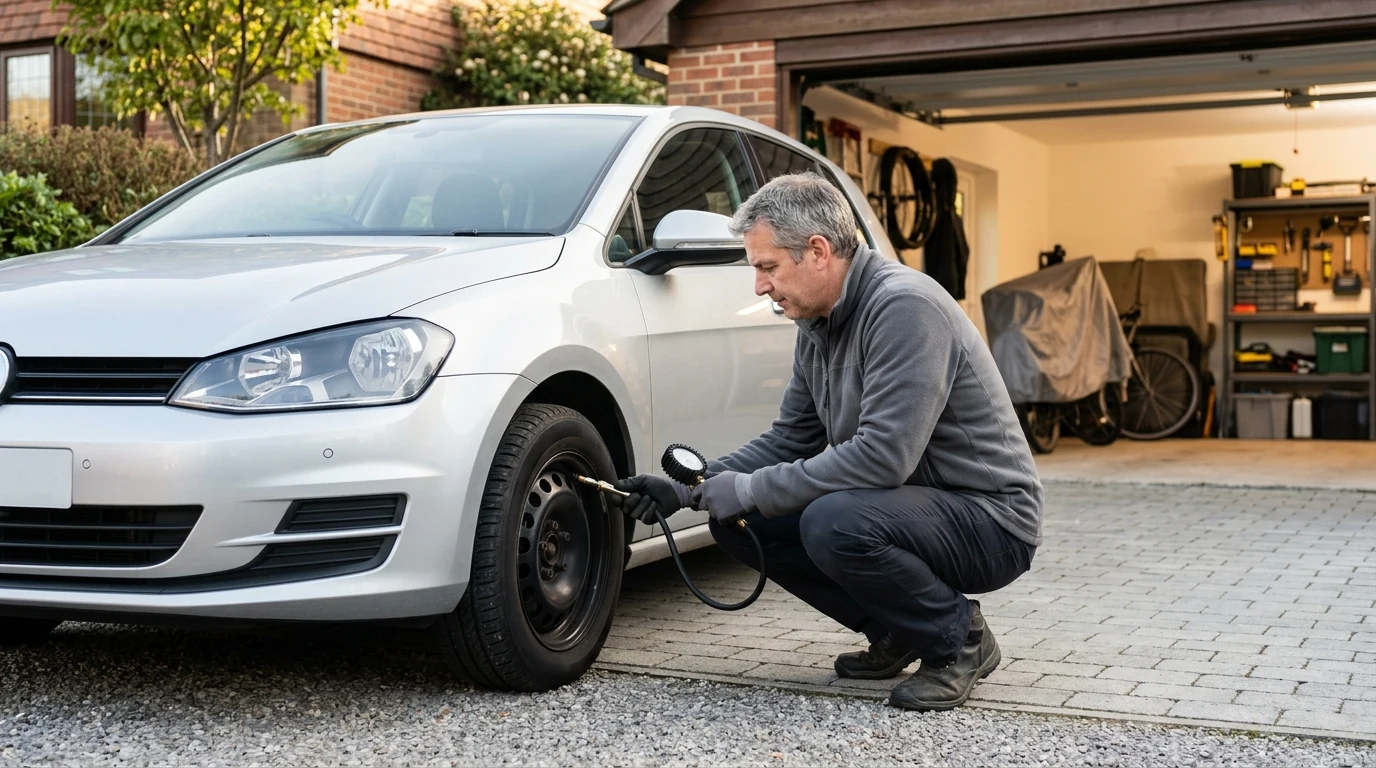
Tires naturally lose pressure over time, and sitting in one spot can create a temporary flat spot—especially in colder weather. You may feel vibration for the first few miles, an uneven “thump” at speed, or see faster shoulder wear if pressure is low. Tire basics from NHTSA’s tire guidance are a helpful refresher if you’re unsure what “normal” looks like.
Brake surface rust and sticking
Fuel aging and moisture
Fluids that absorb moisture over time
Rodents and nesting risks
A simple cadence that keeps an occasional-use car dependable
Our team’s goal is consistency, not complexity. If you can drive weekly or every other week, aim for one longer drive instead of several short ones—enough time for a full warm-up and a meaningful battery recharge. The U.S. Department of Energy’s driving efficiency tips also align well with smoother, more complete warm-up drives.
Start-up routine (2 minutes)
After-drive routine (1 minute)
Monthly habits
| Timing | What to do | Why it matters | Quick warning signs |
|---|---|---|---|
| Before the weekend drive | Check tire pressure; quick walk-around; look for leaks | Prevents vibration, handling issues, and low-pressure tire damage | TPMS light; visible puddles; tire looks low |
| During the drive | Drive long enough to fully warm up; include a few firm brake applications when safe | Reduces moisture buildup; helps brakes scrub light rust; charges battery | Temperature gauge never stabilizes; brakes squeal or pulse |
| After parking | Leave fuel above low levels; park dry/covered when possible | Limits condensation in tank and interior; reduces corrosion | Fuel smell; damp cabin; musty odor |
| Monthly | Battery terminal check; fluid checks; wipers and lights | Catches slow failures early (no-start, low fluids, visibility issues) | Slow crank; wiper streaking; low fluid lines |
| Seasonal | Storage prep if sitting for weeks: fuel plan, battery plan, tire plan | Prevents dead battery, flat spots, stale fuel surprises | Repeated jump starts; vibration after storage |
Storage scenarios: a weekend car vs. a car that sits for weeks
- Battery: For extended sitting, a maintainer is often the cleanest prevention. For regular weekly use, prioritize longer drives and avoid repeated deep discharges. AAA’s overview of battery maintenance and replacement is a solid reference for what weak-battery symptoms look like.
- Tires: Inflate to spec, and if safe/possible, move the car slightly during long storage to change the contact patch. For very long sits, consider tire cradles or a surface that’s less prone to moisture transfer than bare soil.
- Fuel: Don’t store with a near-empty tank; for multi-week storage, stabilizer becomes more relevant than it is for frequent weekly driving.
Long-term vehicle care for low-mileage cars
What our guide helps you organize
The Weekend Car Risk Guide – A Smart Owner’s Guide to the Problems From Not Driving a Car Often, Preventive Habits, and Long-Term Vehicle Care is built for infrequent driving. We focus on what actually changes when a car sits, what the early warning signs look like, and which routines are worth repeating so you spend fewer weekends dealing with surprises.
Who this guide fits best
More from our store
- The Weekend Car Risk Guide – A Smart Owner’s Guide to the Problems From Not Driving a Car Often, Preventive Habits, and Long-Term Vehicle Care
- Corduroy Fabric Strap for Apple Watch
- milanese-magnetic-stainless-steel-band-for-apple-watch
FAQ
How often should a weekend car be driven to stay healthy?
Driving weekly is ideal, and every other week can work if you make it one longer drive that fully warms the engine and gives the battery time to recharge. Repeated short trips are often harder on a weekend car than one consolidated, longer run.
Is it bad to let a car sit for two weeks without starting it?
Two weeks can be enough time for the battery to drop, tires to lose pressure, and moisture to build on brake surfaces—especially in cold or humid conditions. If it will sit longer or repeatedly, use a battery maintainer, set tire pressure correctly, and plan a longer drive when you return.
Why do brakes sound rough after a car sits in the rain?
After rain, a thin layer of surface rust on the rotors is common and may clear after a few normal stops. If the noise persists, the pedal pulses, or the first stop feels grabby, schedule an inspection rather than hoping it disappears.
















Leave a comment