Seasonal Tire Care Plan: Pressure, Tread & Safety Checks
Why Seasons Change Tire Performance
Tires don’t behave the same way year-round. Temperature, moisture, and road surfaces all shift from season to season, and those changes can affect how your vehicle accelerates, turns, and stops—sometimes more than expected.
- Rubber compounds react to temperature. Cold weather can stiffen rubber, reducing flexibility and grip. Heat can soften rubber, which may increase wear and change braking feel.
- Tread design matters in different conditions. Grooves and sipes help move water, slush, and fine debris away from the contact patch, but performance varies depending on how and where you drive.
- Air pressure doesn’t stay constant. Tire inflation naturally drops as temperatures fall and rises as they climb; even small pressure changes can alter handling and accelerate uneven wear.
- Road hazards are seasonal. Winter freeze-thaw cycles can create potholes, summer heat can soften asphalt, autumn brings slick leaves, and spring rain can leave standing water in ruts.
The Core Safety Checks That Matter Most
These checks cover the essentials for predictable traction and steadier tire wear—no special tools required beyond a gauge and a few minutes.
- Tread depth: Confirm remaining tread is sufficient for wet-weather grip. Replace tires that are worn, uneven, or showing exposed cords.
- Inflation: Set pressure when tires are cold and follow the vehicle’s door-jamb placard (not the tire sidewall maximum).
- Visual inspection: Look for cracks, bulges, punctures, and embedded debris. Treat sidewall damage and bulges as urgent.
- Alignment and balance: Pulling, a crooked steering wheel, vibration, or fast shoulder wear often point to alignment or balance problems.
- Rotation schedule: Rotate at the interval recommended by your vehicle manufacturer to smooth out wear patterns.
- Valve stems and caps: Replace cracked stems and always use valve caps to reduce air loss and limit corrosion.
For additional tire safety basics and inspection guidance, the NHTSA tire safety resource is a helpful reference point.
Season-by-Season Tire Care Plan
Instead of treating tire care as a once-a-year task, match a few quick habits to the season you’re entering. The payoff is better wet grip, more consistent braking feel, and fewer surprises on the road.
Spring
- Check for winter impact damage: sidewall bubbles, bent rims, and slow leaks.
- Reset pressures after temperature swings.
- Inspect for uneven wear that may have worsened on rough roads.
Summer
- Monitor pressure more frequently during heat waves.
- Avoid overloading (extra heat and stress can shorten tire life).
- Watch for accelerated center wear, a common sign of overinflation.
Autumn
- Clear stones and debris from tread grooves so channels can move water effectively.
- Verify tread depth before wet leaves and early storms arrive.
- Confirm wiper and washer performance—tire grip and visibility work together.
Winter
- Confirm cold-weather pressures (low temps often mean low PSI).
- Allow extra stopping distance even with good tread.
- Consider winter tires where temperatures and conditions justify them.
| Season | What to Check | What to Do | Red Flags |
|---|---|---|---|
| Spring | Sidewalls, rims, tread wear | Inspect for impact damage; rotate if due | Bulges, cords showing, persistent pull |
| Summer | Pressure, load, heat-related wear | Check pressure cold; avoid overload; park in shade when possible | Center wear, frequent pressure swings |
| Autumn | Tread depth, debris, wet-grip readiness | Clean grooves; confirm braking feel and tread condition | Shallow tread, longer wet stops |
| Winter | Cold pressure, traction needs | Adjust pressure; consider winter tires in cold climates | Hard rubber feel, loss of grip, cracking |
Tire Pressure: The Small Habit With Big Payoff
If only one routine becomes automatic, make it pressure checks. Correct inflation supports grip, steering response, and even wear, while reducing heat buildup on long drives.
- Use a reliable gauge and measure before driving; heat from driving increases readings.
- Aim for the pressure listed on the vehicle door-jamb placard for a balanced ride and predictable handling.
- Pressure typically drops about 1 psi for every 10°F decrease in temperature, so plan extra checks during seasonal transitions.
- Underinflation tends to wear outer shoulders and can build excess heat; overinflation can reduce the contact patch and wear the center.
- After topping up, recheck after a few minutes and confirm valve caps are snug.
For a simple refresher on why “cold tire” readings matter and how to check pressure correctly, see the NHTSA tire pressure basics.
Smart Maintenance: Extending Tire Life Without Guesswork
For broader maintenance and replacement guidance, the Tire Industry Association provides additional safety education and resources.
Future-Ready Safety: Planning for the Next Season Before It Arrives
A Handy Reference for Year-Round Tire Readiness
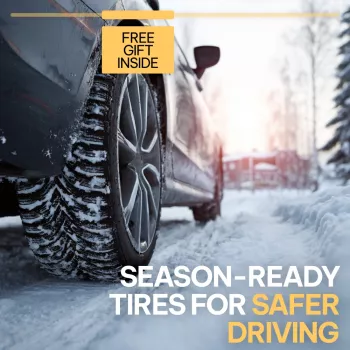
Keeping a concise checklist on hand makes it easier to follow through when weather changes quickly. For a condensed guide you can revisit anytime, consider Season-Ready Tires for Safer Driving | Essential eBook with Tire Care Tips for Changing Seasons, Smart Maintenance & Future-Ready Safety.
For everyday accessories that can make time behind the wheel a little more comfortable (especially during longer seasonal trips), you can also browse Corduroy Fabric Strap for Apple Watch and milanese-magnetic-stainless-steel-band-for-apple-watch.
FAQ
How often should tire pressure be checked when seasons change?
Check at least monthly and anytime temperatures swing sharply, since pressure changes with ambient temperature. Always measure when tires are cold and inflate to the vehicle door-jamb placard specification for the most consistent handling and wear.
Is tread depth alone enough to judge wet-weather safety?
Tread depth is important, but it’s not the only factor: uneven wear, tire age/condition, and proper inflation also affect wet grip. If the vehicle hydroplanes more easily or wet braking distances increase, inspect the tires for wear patterns and damage—not just depth.
When should tires be replaced even if tread looks acceptable?
Replace tires with sidewall cracks, bulges, repeated air loss, or vibration linked to damage, even if the tread appears usable. Uneven wear that can’t be corrected and age-related rubber degradation (per manufacturer guidance) are also valid reasons to replace.















Leave a comment