Rugged Detachable iPad Case with Tripod Stand (Apple)
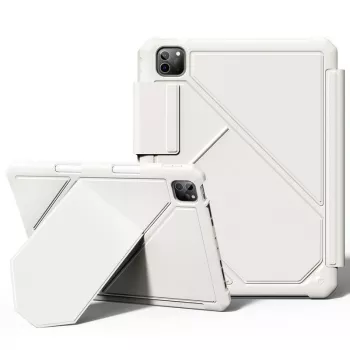
Detachable Military-Grade iPad Case with Tripod Stand: Rugged Protection That Also Works Like a Mini Workstation
A rugged iPad case can do more than prevent cracks—it can turn an iPad into a stable workstation for video calls, lessons, field notes, or streaming. A detachable, military-grade style case with a built-in tripod stand aims to combine reinforced protection with practical positioning, helping keep your iPad secure, viewable at comfortable angles, and easier to handle when you’re moving between rooms, classes, job sites, or travel days.
What This Case Is Designed to Solve
- Helps protect an iPad from drops, bumps, and daily wear during travel, work, or school.
- Detachable construction supports switching between a slim carry setup and a heavier-duty configuration when needed.
- Tripod stand functionality provides hands-free stability for video calls, filming, reading, and typing.
- Rugged grip-focused design can improve handling compared with a bare iPad, especially for kids or on-site use.
Key Features at a Glance
- Detachable build: Separate components allow flexible use depending on the situation (desk, couch, classroom, job site).
- Shock-absorbing, reinforced shell concept: Commonly associated with “military-grade” style protection.
- Tripod stand support: Designed for steady positioning and consistent viewing height/angle.
- Everyday usability focus: Protection that still keeps access practical for charging and routine handling.
Protection and Durability Considerations
Drop protection usually comes down to a few physical design choices rather than a single magic material. Many rugged cases use a layered approach: a harder outer shell for structure paired with an inner cushioning layer that helps disperse impact forces. If the case includes raised edges, it can also reduce direct contact between your screen/camera and flat surfaces when the iPad is placed face-down or set on a table.
Fit matters just as much as thickness. A snug, model-specific fit helps keep corners from slipping on impact and keeps the iPad from shifting inside the case. For frequent outdoor use or job-site routines, look for a balance between a confident grip texture and “bag friendliness,” so the case doesn’t snag every time you slide it into a backpack sleeve.
When you see “military-grade,” it often refers to design approaches inspired by drop-testing methods (sometimes referencing standards like MIL-STD-810). For context on what that umbrella term can cover, you can review the U.S. Department of Defense MIL-STD-810 overview. The most meaningful signals, however, are tangible features like reinforced corners, secure assembly, and layered construction.
Tripod Stand Use Cases
A built-in tripod stand is about reducing friction in daily tasks. Instead of propping the iPad against a mug or stacking books, you can set a stable viewing angle and keep both hands free.
- Video calls and remote learning: A steady camera angle looks more natural and reduces hand fatigue.
- Content creation: Stable framing for recording lessons, crafts, workouts, or product demos without constant re-adjustments.
- Kitchen or workshop reference: Holds the iPad upright for recipes, manuals, diagrams, and checklists.
- Travel: Makes a tray-table or hotel desk more comfortable for streaming or planning.
For the best results, set the stand on a flat surface and avoid placing charging cables under tension; cable tug is one of the fastest ways to introduce wobble during typing or tapping.
Detachable Design: When It Matters
Detachable cases are helpful when one configuration can’t serve every moment of your day. A slim mode can feel easier to hold for reading or casual browsing, while a more reinforced setup can be the right choice for commutes, kids, and frequent pick-up/put-down routines.
Compatibility and Fit Checklist
iPad cases are often model-specific—especially rugged ones with camera cutouts, speaker openings, and button covers. Before ordering, confirm the exact iPad model and generation. Apple explains a few ways to identify your device here: Apple Support: Identify your iPad model.
Quick Buyer’s Checklist for a Rugged iPad Case with Stand
| What to check | Why it matters | What to look for |
|---|---|---|
| iPad model/generation | Ensures ports, speakers, buttons, and camera align correctly | Exact model name and generation match |
| Stand stability | Prevents wobble during typing, calls, and filming | Wide base, firm hinge/lock, non-slip contact points |
| Drop-resistance design | Reduces damage risk from routine falls | Reinforced corners, layered materials, secure fit |
| Everyday access | Avoids friction in daily use | Easy charging access, responsive buttons, unobstructed speakers |
| Bulk vs portability | Determines comfort in hand and bag fit | Detachable options or balanced thickness |
Care Tips to Keep the Case Performing Well
Product Options Available
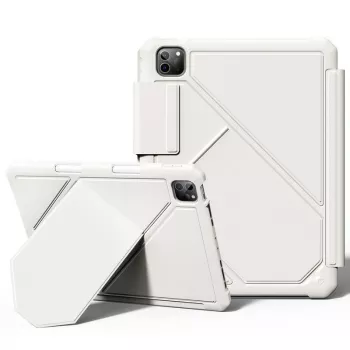
- Detachable Military-Grade iPad Case with Tripod Stand – For Apple iPad ($24.51): A rugged, stand-ready option designed for hands-free viewing and reinforced protection.
Accessories That Pair Well With an iPad Setup
- Corduroy Fabric Strap for Apple Watch ($13.01): Comfortable for long days when you’re bouncing between tasks.
- Milanese Magnetic Stainless Steel Band for Apple Watch ($23.51): A durable, adjustable option with an easy-on magnetic fit.
FAQ
Will a tripod-stand iPad case work for video calls without shaking?
It can, as long as the stand has a firm hinge/lock, a stable base, and non-slip contact points. For less wobble, place it on a flat surface, avoid tapping aggressively during calls, and route charging cables so they don’t pull on the iPad.
What does “military-grade” mean for an iPad case?
It commonly describes a rugged design approach that may be inspired by drop-testing methods rather than a guarantee of invincibility. Look for real build features—layered construction, reinforced corners, and a secure fit—and check whether the brand cites specific testing methods.
How can the correct iPad model be confirmed before ordering a case?
On the iPad, go to Settings > General > About and check the model name and model number, then compare them to the case’s compatibility notes. As a double-check, confirm the camera cutout and button placement match your exact iPad layout.














Leave a comment