Old Money Aesthetic: Outfit Formulas, Capsule & Fit Tips
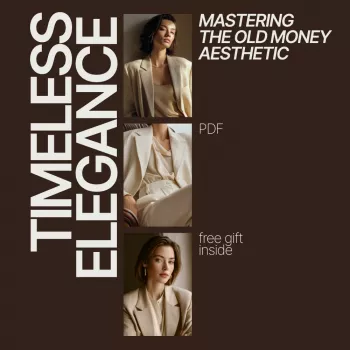
Timeless Elegance Without the Costume Effect
The old money aesthetic isn’t about chasing trends or signaling labels—it’s about quiet consistency. When your clothes fit well, your fabrics look natural, and your palette stays restrained, you come across as polished in a way that feels effortless and real. Our team put this guide together so you can build outfits that feel believable for everyday life: work, weekends, errands, and dinners—without looking like you’re playing dress-up. For more guidance, see Mastering Quiet Luxury in Men’s Fashion – Echelon Collective.
What the Old Money Aesthetic Really Means
At its core, this is a wardrobe philosophy: fewer pieces, better materials, and thoughtful repetition. You’re not trying to look “new” every day—you’re trying to look consistently put together. For further reading, see UCLA Electronic Theses and Dissertations.
- Understated polish wins: clean lines, minimal branding, refined grooming, and good posture do as much work as your outfit.
- Classic references, modern life: preppy, equestrian, resort, and heritage tailoring—adapted for commutes, errands, and real budgets.
- The real goal: you look composed on a normal day—never overstyled, never loud.
The Non‑Negotiables: Fit, Fabric, and Finish
Fit first (even before “better brands”)
Prioritize the fundamentals: shoulder seams aligned, waistlines sitting where they’re meant to, trousers skimming (not pooling), and hems that look intentional. One well-tailored blazer will elevate more outfits than three average ones.
Fabrics that age well
Reach for fibers that develop character instead of shine. Cotton poplin and oxford cloth, wool (including merino and flannel), linen, cashmere, and silk tend to read refined because they drape naturally. Overly shiny synthetics can make even a good silhouette look cheaper than it is.
Finish is the multiplier
Small details create the “inherited taste” impression: pressed collars, smooth seams, sturdy buttons, clean shoes, and tidy bag structure. Neutral nails and simple grooming keep the whole look calm and confident.
A Classic Color Palette That Always Reads “Inherited Taste”
If you want outfits to look expensive without trying, start with a controlled palette. Navy, cream, camel, gray, chocolate, and crisp white do most of the heavy lifting. True black works best at night; during the day it can feel harsher than navy or charcoal.
- Accent colors: burgundy, forest green, dusty blue, and soft stripes—keep contrast controlled.
- Timeless patterns: pinstripe, houndstooth, windowpane, Breton stripe, subtle checks.
- Rule of restraint: pick one statement element per outfit (pattern, color, or texture), not three.
Old Money Outfit Formulas (Mix-and-Match Blueprint)
| Setting | Core Pieces | Shoes & Accessories | Color Notes |
|---|---|---|---|
| Weekday errands | White oxford shirt + straight-leg denim or chinos + lightweight sweater over shoulders | Loafers or clean sneakers + leather belt + simple watch | Navy/white/camel; keep logos hidden |
| Office or meetings | Blazer + fine knit + tailored trousers or midi skirt | Pumps/loafers + structured bag + stud earrings | Gray/cream/ink navy; minimal contrast |
| Weekend lunch | Breton stripe tee + pleated trousers or linen shorts + trench or barn jacket | Ballet flats/boat shoes + sunglasses + scarf | Cream/blue; add one subtle stripe |
| Evening dinner | Silk blouse + wool trousers or sleek dress + tailored coat | Heeled sandal/pump + delicate jewelry | Black is fine at night; choose matte textures |
The Capsule Closet: 20 Pieces That Carry 80% of the Look
Capsule dressing is the fastest route to timeless elegance because repetition is part of the signal. When you rotate a smaller set of excellent basics, everything starts to look cohesive.
- Tops: crisp white button-down, blue button-down, striped tee, fine knit crewneck, cashmere cardigan.
- Layers: navy blazer, trench coat, wool coat, structured jacket (tweed-inspired or clean minimal).
- Bottoms: tailored trousers, dark-wash straight-leg denim, pleated skirt or midi, summer linen trouser/short.
- Dresses: one day dress (shirt dress or simple midi), one evening dress (sleek, not embellished).
- Shoes: loafers, ballet flats, low heel pump, clean minimal sneaker, weather-appropriate boot.
- Accessories: leather belt, silk scarf, structured bag, classic watch, small gold or pearl earrings.
If you want a printable, step-by-step wardrobe blueprint our team can stand behind, start with our in-house guide: Timeless Elegance: Mastering the Old Money Aesthetic – A Classic Style Guide for How to Dress in the Old Money Aesthetic.
Texture and Detail: How to Look Luxurious Without Flash
Accessories That Quietly Complete the Outfit
- A classic watch: it instantly reads composed. For a traditional finish, pair your everyday outfits with our Premium Leather Strap for Apple Watch or a clean metal option like our Milanese Magnetic Stainless Steel Band for Apple Watch.
- Structured bags: minimal hardware, neutral shades, and enough structure to hold shape elevate basics fast.
- Scarves: silk or silk blend at the neck, on a bag handle, or as a hair tie—keep prints quiet.
- Texture swap (easy mode): for a relaxed heritage feel on casual days, our Corduroy Fabric Strap for Apple Watch adds depth without looking flashy.
Common Mistakes That Break the Illusion
A Style Guide to Keep on Hand (and Actually Use)
FAQ
How can the old money aesthetic work on a budget?
Buy fewer pieces, prioritize natural-looking fabrics, and tailor the items you wear most. A restrained palette makes inexpensive basics look more cohesive, and consistent care (pressing, proper storage, shoe upkeep) keeps everything looking elevated longer.
What are the easiest outfits to start with if everything feels too formal?
Start with casual classics: an oxford shirt with straight-leg dark denim and loafers, or a fine knit with tailored trousers and clean sneakers. Add a trench or blazer as your single “polish layer,” and keep colors to navy, cream, camel, and white.
How do accessories change the look without feeling flashy?
Choose one quiet finisher—watch, belt, scarf, or structured bag—and keep metals consistent. Let texture and proportion do the work, and avoid prominent logos so the outfit reads refined rather than attention-seeking.










Leave a comment