Non-Slip Jelly Cover for Apple Pencil: Better Grip
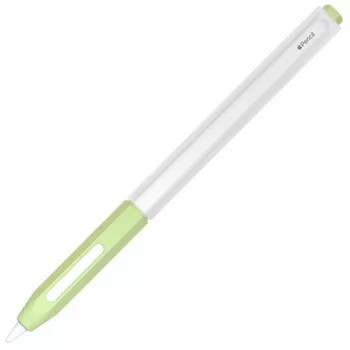
Non-Slip Jelly Covers for Apple Pencil: Small Change, Big Difference in Hand Feel
A slim jelly cover can make an Apple Pencil feel more secure in the hand, reduce finger fatigue during longer sessions, and add a bit of everyday protection against scuffs. The best part is that it doesn’t change how you use the Pencil—it simply makes the surface easier to hold onto when you’re drawing, taking notes, or moving quickly between gestures and tools.
Below is what a non-slip jelly cover tends to change in real-world use, what to check for fit and charging, and how to keep that “tacky” grip feeling clean and comfortable over time.
What a jelly cover changes in everyday use
Apple Pencil has a smooth finish by design. That’s great for a clean look, but it can feel slick—especially during fast writing or subtle shading. A jelly cover adds a thin, slightly grippy layer that’s noticeable right where your fingers rest.
- Adds friction where fingers rest, making the Pencil less likely to slide during quick taps, shading, or handwriting.
- Creates a slightly softer feel that can help during longer sketching or note-taking sessions.
- Helps protect against light scratches and cosmetic wear from desk surfaces, bags, or pockets.
- Can improve control when hands are dry, cold, or moving quickly between tools and gestures.
For many people, the most immediate benefit is fewer “micro-slips”—those tiny shifts that can throw off a line, change letter shapes, or force you to readjust your grip repeatedly.
Grip and comfort: who benefits most
Not everyone needs extra traction, but certain workflows get a clear boost from a non-slip sleeve. The feel is also more forgiving if you tend to grip tightly when concentrating.
- Artists and designers: steadier pressure control for line work and smoother transitions while shading.
- Students and note-takers: more stable handwriting and fewer micro-slips during fast writing.
- Tablet-first workflows: easier pick-up from a flat desk and a more confident hold when moving between apps.
- Users with sweaty or dry hands: a tackier surface can feel more dependable than bare plastic.
If your Apple Pencil sometimes feels like it wants to roll or escape your fingers when you’re rushing, a jelly cover can make the Pencil feel “anchored” without adding bulky padding.
Fit, charging, and pairing considerations
Before buying any cover, the key is matching it to the Apple Pencil model you actually use. Apple Pencil generations differ in shape and charging method, and even a thin layer can interfere if the charging area is covered or thickened.
To confirm your exact model, Apple’s guide on identification is the quickest reference: Identify your Apple Pencil model. If you want to double-check physical details and charging behavior, Apple’s specifications pages can help as well: Apple Pencil technical specifications and Apple Pencil (2nd generation) technical specifications.
- Model compatibility matters: Pencil generations and charging methods differ, so the cover should be designed for your version.
- Magnetic attachment/charging: if your Pencil charges magnetically, added thickness on the flat side can weaken the hold or prevent charging.
- Fit quality: a well-fitting cover sits flush, avoids bunching near the tip, and doesn’t rotate during normal use.
- Removability: being able to swap between covered and bare Pencil can be useful for charging, travel, or storage.
Quick checks before buying
| Check | Why it matters | What to look for |
|---|---|---|
| Apple Pencil version | Different shapes and charging styles | A cover designed for the same generation/shape |
| Charging method | Covers can block contact points or magnets | Open area or slim side where charging/pairing happens |
| Tip clearance | A tight edge can interfere with strokes | Clean cutout with no rubbing near the nib |
| Rotation resistance | Twisting can cause inconsistent grip | Snug fit that doesn’t spin under finger pressure |
| Case compatibility | Some iPad cases have Pencil wells | Enough clearance to store the Pencil with the cover on |
Protection and handling benefits beyond grip
Grip is the headline feature, but many people keep a jelly cover on for everyday handling advantages. Think of it as light-duty protection for the Pencil’s finish—helpful for daily wear, even if it’s not a rugged drop-proof solution.
Cleaning and care for a tacky, non-slip feel
A simple, low-cost upgrade option
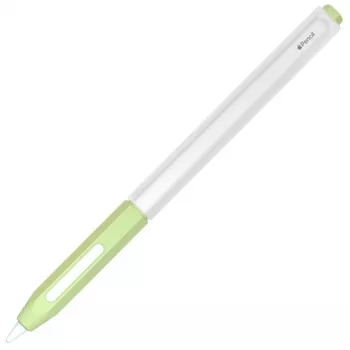
If you want a more confident hold without changing tips, adding bulk, or modifying your workflow, a jelly sleeve is a straightforward upgrade. The Non-Slip Jelly Cover for Apple Pencil is an inexpensive add-on that can improve control, reduce small slips during writing and sketching, and help limit everyday scuff marks from desks and bags.
For a cohesive daily carry setup, small comfort upgrades often add up—especially for all-day device use. If you also wear an Apple Watch, a soft band like the Corduroy Fabric Strap for Apple Watch is an easy way to keep things comfortable during long stretches. For a more classic, adjustable fit that’s quick to take on and off, the Milanese Magnetic Stainless Steel Band for Apple Watch pairs well with a streamlined tech setup.
FAQ
Will a jelly cover affect Apple Pencil charging or magnetic attachment?
It can. Any added thickness may weaken magnetic hold or interfere with charging/pairing points depending on your Apple Pencil model, so look for a slim side or a cutout where charging happens and test attachment strength after installing.
Does it fit all Apple Pencil versions?
No. Apple Pencil versions vary in shape and charging method, so the best fit comes from choosing a cover made specifically for your Pencil generation (including the USB-C model where applicable).
How should a non-slip jelly cover be cleaned?
Use mild soap and water or a gentle damp wipe, then let it dry completely before putting it back on. Avoid harsh chemicals that can cloud or degrade jelly material over time.














Leave a comment