Moisturizer Not Enough? Keep Skin Hydrated All Day
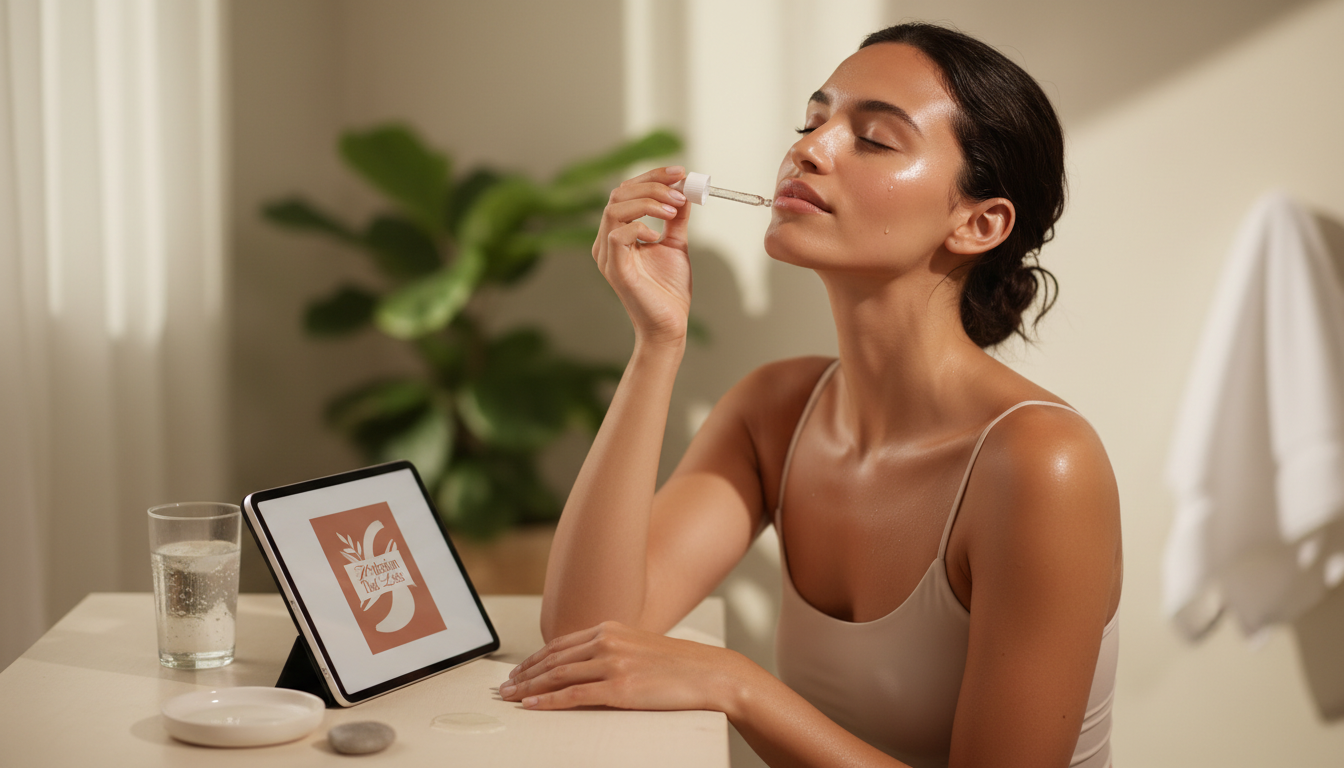
Why Skin Feels Dry Even After Moisturizing
That “tight again by lunchtime” feeling usually isn’t because your moisturizer is useless—it’s because your skin is losing water faster than your routine replaces and locks it in. A major driver is transepidermal water loss (TEWL), which happens when water evaporates from the skin’s surface, especially if the barrier is compromised. The Cleveland Clinic breaks down how TEWL works and why barrier support matters in daily comfort. For more guidance, see 333333 23135851162 the 13151942776 of 12997637966.
Common triggers include hot showers, harsh or high-foam cleansers, frequent exfoliation, and strong actives used too often. These can disrupt the lipid “seal” that keeps hydration in place. On top of that, indoor heating and air conditioning reduce humidity and pull moisture from skin throughout the day. And it’s also possible to be oily and dehydrated at the same time—oil can shine on top while the surface still feels tight, looks dull, or flakes. For further reading, see Gold Bond Ultimate Healing Skin Therapy Lotion.
Build the Foundation: Cleanse Without Stripping
Hydration routines work best when cleansing is gentle. Aim for a low-foam cleanser that leaves skin comfortable—not squeaky. Keep water lukewarm and shorten face-wash time to reduce barrier stress. If your skin feels tight immediately after cleansing, consider switching to a cream or balm cleanser, or cleansing once daily at night (if your skin tolerates it).
One simple upgrade: apply your hydrating layers while skin is still damp. Pat—don’t rub—so there’s a light film of water to “grab” onto before you seal it in with moisturizer.
Layering for Long-Lasting Hydration (The “Humectant + Emollient + Occlusive” Stack)
All-day hydration is usually a layering game. Think in three roles:
- Humectants attract and hold water in the upper layers (glycerin, hyaluronic acid, panthenol, urea).
- Emollients smooth texture and support the barrier (ceramides, squalane, fatty acids, cholesterol).
- Occlusives slow water loss by forming a protective film (petrolatum, dimethicone, waxes).
Apply products from thinnest to thickest and give each layer 30–60 seconds to settle to reduce pilling. If you’re sensitive or acne-prone, stick with fragrance-free options and add richer steps gradually—often just to the driest areas at first.
Common Hydration Ingredients and Where They Fit
| Role | Ingredient examples | Best time to use | Who benefits most |
|---|---|---|---|
| Humectant | Glycerin, hyaluronic acid, panthenol, urea | On damp skin, after cleansing | Dehydrated, tight-feeling skin; most skin types |
| Emollient | Ceramides, squalane, cholesterol, fatty acids | After humectants; morning or night | Rough texture, barrier damage, sensitivity |
| Occlusive | Petrolatum, dimethicone, waxes | Last step; targeted areas or overnight | Very dry skin, windy/cold weather, compromised barrier |
Morning Routine That Holds Up Through the Day
A morning routine should hydrate without over-cleansing. If you’re not oily when you wake up, a quick rinse or very light cleanse is often enough. Apply a hydrating serum or essence on damp skin, then follow with a moisturizer suited to your climate: lighter gel textures can feel better in humidity, while richer creams tend to perform better in dry or cold air.
Sunscreen matters for every skin type, including dry skin. If dryness is a concern, look for hydrating sunscreen formulas that don’t leave you feeling “set” or chalky. If you wear makeup, prioritize hydrating base layers and go easy on repeated powder touch-ups, which can emphasize flaking and make tightness feel worse.
For a structured routine you can follow day-to-day, Hydration That Lasts – How to Keep Skin Hydrated All Day | Digital Skincare Ebook Guide lays out clear layering steps and simple adjustments based on weather and irritation.
Midday Fixes Without Overloading Skin
Midday dryness doesn’t always mean you need to reapply everything. Instead, moisturize only where you feel it—often cheeks, around the mouth, or under the eyes—rather than layering over the whole face. For flaky patches, a rice-grain amount of an occlusive applied over moisturizer can prevent tightness without making skin feel greasy.
One practical habit that helps: set reminders for a quick “check-in” (blot, spot-moisturize, reapply sunscreen). If you use a smartwatch, a comfortable band like the Corduroy Fabric Strap for Apple Watch can make all-day wear more pleasant while you keep those reminders on schedule.
Night Routine for Barrier Repair
For dermatologist-backed basics on dry skin and daily care, the American Academy of Dermatology Association offers practical guidance. For deeper context on barrier function, the National Eczema Association explains why barrier lipids are essential for comfort and resilience.
Lifestyle and Environment Tweaks That Make Products Work Better
A Step-by-Step Plan for Different Skin Types
Digital Guide for Daily Hydration Habits
If you want a clear, step-by-step reference, Hydration That Lasts – How to Keep Skin Hydrated All Day | Digital Skincare Ebook Guide is designed for daily use, with practical layering strategies and easy adjustments based on skin type and climate.
FAQ
Why does my skin feel tight a few hours after moisturizing?
Tightness often comes from water evaporating off the skin (TEWL) when the barrier is stressed by stripping cleansers, over-exfoliation, or dry indoor air. Pair humectants with barrier lipids (ceramides/fatty acids) and add a light occlusive on top—especially in low humidity—to slow water loss.
Is hyaluronic acid enough to keep skin hydrated all day?
Hyaluronic acid is a humectant, so it helps pull water into the upper layers, but it works best when sealed in with a moisturizer. In very dry environments, HA alone can feel drying, so layer it under an emollient-rich cream or a small amount of occlusive where needed.
How can hydration be maintained without causing breakouts?
Use lightweight humectants and a non-fragranced gel-cream with barrier-supporting ingredients like ceramides or niacinamide. Keep occlusives targeted to dry patches, and avoid over-cleansing, which can trigger more oil production and irritation.















Leave a comment