Foraging Crafts for Beginners: Easy Nature DIY Ideas
Beginner’s Foraging Crafting: Nature-Inspired DIY Projects Made Simple
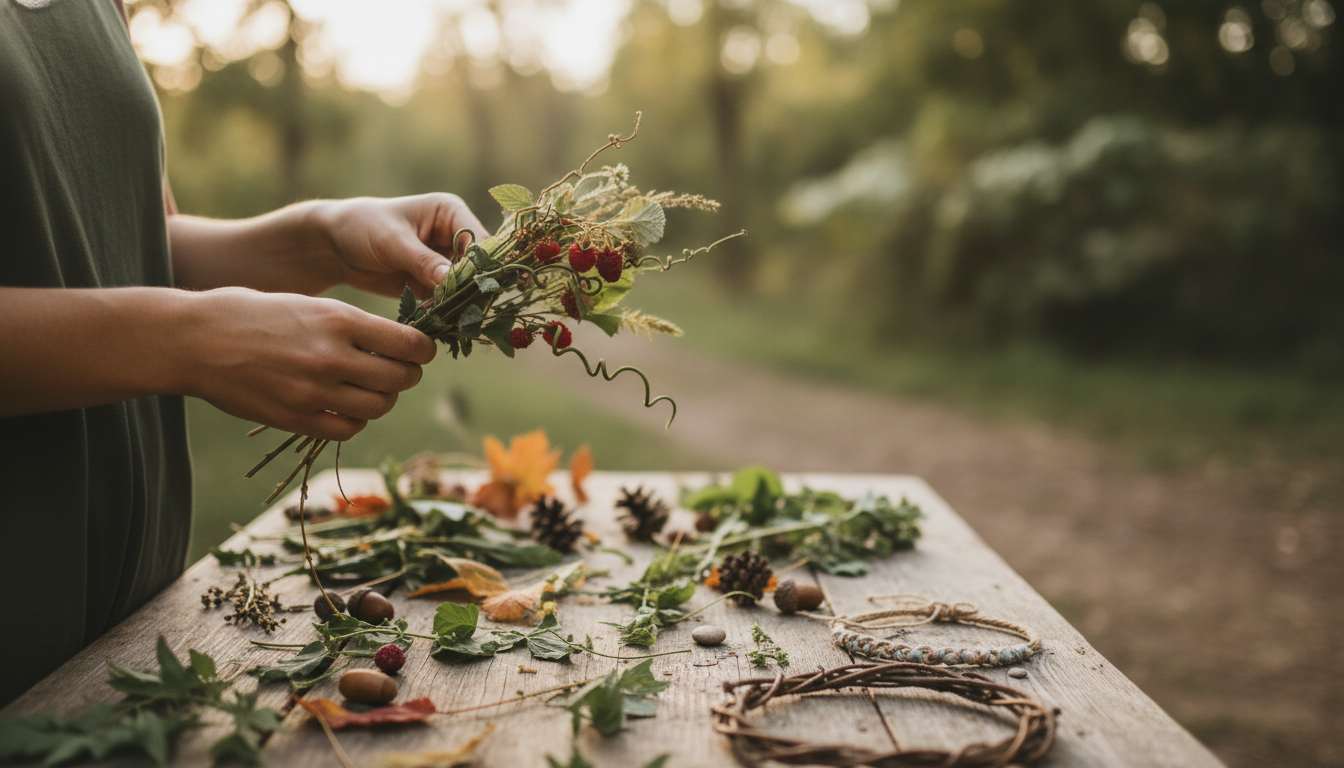
Foraging crafting blends mindful outdoor time with hands-on making—using found natural materials like fallen leaves, pinecones, seed pods, and twigs to create simple, beautiful projects. With a few basic tools and a responsible approach, everyday walks can turn into a steady source of craft supplies that feel personal, seasonal, and surprisingly elegant.
What Foraging Crafting Is (and What It Isn’t)
Foraging crafting uses naturally fallen or abundant materials for decoration and simple functional crafts—think leaves, cones, shed bark, driftwood, dried grasses, stones, and (where permitted) shells or feathers. The goal is to work with what the landscape has already offered, rather than taking from living plants or sensitive habitats.
- It is: collecting intact, dry, already-fallen items and using them in home décor, gifts, and small projects.
- It isn’t: stripping live bark, cutting branches, uprooting plants, or gathering from protected areas without permission.
- It follows seasons: spring petals and blossoms (fallen), summer grasses and seed heads, autumn leaves and acorns, winter cones and permitted evergreen trimmings.
- It starts low-risk: begin with unmistakable items (cones, acorns, stones) before attempting any plant materials that require confident identification.
- It stays separate from food foraging at first: keeping “craft-only” habits reduces avoidable safety mistakes while skills are still building.
Safety and Responsible Gathering Basics
Thoughtful collecting protects natural areas and also keeps your materials cleaner and safer once they come indoors. A good rule is to gather less than you think you need—you can always go back later.
- Check local rules first: city parks, state parks, preserves, and beaches may restrict removing natural materials.
- Take little, leave plenty: gather small amounts spread across an area rather than stripping one spot.
- Avoid contamination: skip roadsides, industrial edges, treated lawns, and places with obvious runoff.
- Protect your skin: wear gloves for unknown materials; watch for thorns, ticks, and irritant sap.
- Choose clean, intact pieces: avoid moldy, oily, or strongly chemical-smelling finds.
- Crafting with kids: avoid choking hazards and materials that may irritate skin (some lichens or milky-sap plants).
For a quick refresher on outdoor ethics, the Leave No Trace Seven Principles and the USDA Forest Service guidance on “Leave What You Find” are practical, beginner-friendly references.
Beginner Kit: Simple Tools That Make Everything Easier
You don’t need a dedicated studio to get started. A small kit helps you collect without crushing fragile pieces, prep materials without making a mess, and store everything so it stays usable.
- Collection: paper bags, a breathable cloth sack, small boxes for delicate finds, plus labels and a pen.
- Cleaning & prep: soft brush, mild soap, a small tub, paper towels, and a drying rack.
- Crafting basics: craft glue, optional hot glue, twine, floral wire, scissors, and a small hand drill for wood slices.
- Preservation: optional silica gel for flowers, optional clear matte spray sealer, and airtight containers for fully dried items.
- Storage tip: keep different materials separate to prevent moisture transfer and to avoid spreading seeds indoors.
Quick Prep Guide for Common Foraged Craft Materials
| Material | Best Collected | Clean & Dry | Preserve & Store |
|---|---|---|---|
| Leaves (fallen, intact) | Dry day in late summer–autumn | Brush off debris; press between paper with weight for 1–2 weeks | Store flat in a folder; optional matte sealer for durability |
| Pinecones | Dry day year-round | Bake low heat briefly to remove insects (follow safe low-temp guidelines); air-dry | Store in a breathable box; avoid humid basements |
| Acorns/seed pods | Autumn | Brush clean; freeze 48–72 hrs to reduce pests; air-dry fully | Store in airtight container only when fully dry |
| Driftwood/twigs | After storms; dry weather | Rinse; scrub; air-dry for several days | Seal for indoor decor; store dry to prevent mildew |
| Flowers (fallen petals/heads) | Spring–summer | Gently shake; use silica gel or press | Keep out of sunlight; store in a small box with tissue |
Cleaning, Drying, and Pest Prevention (Without Ruining Your Finds)
Moisture is the main enemy. Most mold, odor, and “mystery bugs” problems come from bringing items inside before they’re truly dry.
If you’re curious about plant preservation traditions (and why pressing works so well), Kew’s background on herbarium practices is a useful reference: Royal Botanic Gardens, Kew — Herbarium and Plant Collecting.
Starter Projects That Look Great Without Advanced Skills
Seasonal Craft Plan for Consistent Inspiration
Beginner-Friendly Guidebook for Projects and Confidence
A step-by-step reference can make the hobby feel calmer and more consistent—especially when it includes clear photos, supply lists, and troubleshooting for issues like brittleness, fading, and glue failure. For a structured starting point, Beginner’s Foraging Crafting – A Practical Foraging Craft Beginners Guide for Nature-Inspired DIY Projects focuses on practical projects designed for beginners and materials commonly found on everyday walks.
If you like tracking walk time or steps while gathering, a soft, comfortable wristband can be a small quality-of-life upgrade. The Corduroy Fabric Strap for Apple Watch is an easy swap that can feel nicer during longer, slower-paced collecting walks.
FAQ
Is it legal to take leaves, pinecones, or driftwood for crafts?
Rules vary by location and land manager, and many parks restrict removing natural materials. Check posted regulations, ask permission on private land, and avoid protected areas or sensitive wildlife habitat.
How do you keep foraged materials from getting moldy indoors?
Dry everything thoroughly before storing, use breathable containers for items that can trap moisture, and keep different materials separated. Discard anything that smells musty, shows visible mold, or feels damp even after drying.
What are the easiest nature crafts for complete beginners?
Pressed leaf bookmarks, pinecone garlands, floating frame collages, and twig stars are simple, low-tool projects. They also rely on easy-to-identify materials, which reduces beginner mistakes.














Leave a comment