Foods Dogs Shouldn’t Eat: Toxic List & Fast Action Plan

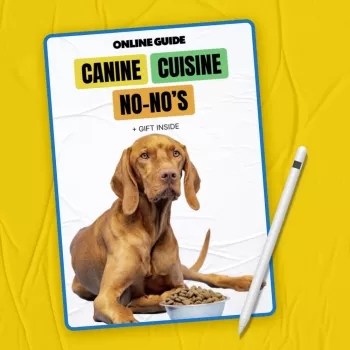
Canine Cuisine No-No’s: A Quick, Practical Guide to Foods Dogs Shouldn’t Eat
Many everyday foods that are harmless to people can be dangerous for dogs. This guide covers the most common toxic foods, what to watch for if exposure happens, and simple household habits that reduce risk—plus a quick-reference printable you can keep on the fridge or share with pet sitters.
Why food safety for dogs is trickier than it looks
Dogs don’t process certain compounds the same way humans do, so a “small bite” can have a much bigger impact than you’d expect. Risk depends on your dog’s size, the dose, the specific ingredient (for example, xylitol versus regular sugar), and any underlying health issues.
It also isn’t always obvious what counts as “dangerous.” Some of the biggest problems hide in everyday snacks and pantry items—like sugar-free gum, trail mix, baked goods, or sauces made with onion/garlic powders. When something happens, speed matters: save the packaging, estimate how much was eaten, and contact a veterinarian or poison helpline promptly for individualized advice.
High-risk foods to keep out of reach
Some foods are common culprits in emergency calls because they’re widely available and highly toxic (or physically dangerous) to dogs.
Top foods that can cause serious harm
- Chocolate and cocoa: Darker chocolate and baking cocoa are more concentrated and therefore riskier.
- Xylitol (birch sugar): Found in many sugar-free gums, mints, peanut butters, and baked goods; can cause rapid hypoglycemia and possible liver injury.
- Grapes and raisins: Can trigger acute kidney injury; sensitivity varies and no safe amount is guaranteed.
- Onions, garlic, chives, leeks: Can damage red blood cells; risk increases with repeated exposure and with powders.
- Alcohol and unbaked yeast dough: Can cause intoxication, bloat, and dangerous metabolic effects.
- Macadamia nuts: Can lead to weakness, tremors, and gastrointestinal upset.
- Cooked bones and fatty trimmings: Can splinter or obstruct, and fatty foods can trigger pancreatitis—avoid table scraps.
Common household foods and what to do if a dog gets into them
| Food/ingredient | Why it’s risky | Early signs to watch for | First steps |
|---|---|---|---|
| Chocolate/cocoa | Stimulant toxicity (theobromine/caffeine) | Vomiting, restlessness, rapid heart rate, tremors | Call a vet/poison line with type/amount and dog’s weight |
| Xylitol | Blood sugar crash; potential liver injury | Weakness, wobbliness, vomiting, seizures | Treat as urgent; bring packaging and act immediately |
| Grapes/raisins | Kidney injury in some dogs | Vomiting, lethargy, reduced appetite | Contact a vet promptly even if signs are mild |
| Onion/garlic (incl. powders) | Red blood cell damage | Weakness, pale gums, rapid breathing, vomiting | Call a vet; note form/amount and timing |
| Alcohol | CNS depression and metabolic issues | Disorientation, vomiting, low body temperature | Urgent vet guidance; prevent further access |
| Yeast dough | Gas expansion + alcohol production | Bloating, drooling, unproductive retching | Emergency evaluation if bloat suspected |
Less obvious dangers: pantry, fridge, and counter traps
Many accidents happen because the risky ingredient isn’t obvious at a glance. A few common “surprise” sources include:
- Sugar-free products: Gums, candies, “diet” baked goods, and some nut butters. Read labels for xylitol (sometimes listed as birch sugar).
- Snack mixes: Trail mix can combine chocolate, raisins, macadamias, and other ingredients in one handful—high risk with one countertop spill.
- Leftovers and rich foods: Greasy meats, butter, drippings, and heavy sauces may trigger pancreatitis in sensitive dogs.
- Seasonings and powders: Onion/garlic powder in soups, chips, seasoning blends, and even some baby foods can add up quickly.
- Caffeine sources: Coffee grounds, espresso drinks, energy drinks, and some medications are far more potent than a few sips suggest.
For a deeper list of people-food risks, see the ASPCA’s reference page and toxin databases from ASPCA Animal Poison Control and Pet Poison Helpline. The AKC also maintains a practical overview of foods dogs can and can’t eat.
If exposure happens: a calm, fast response plan
- Remove access immediately and prevent other pets from eating the same item.
- Estimate how much was eaten and when. Keep wrappers, ingredient lists, and take a quick photo of the label if possible.
- Check for urgent danger signs: repeated vomiting, tremors, seizures, collapse, severe lethargy, bloated abdomen, or difficulty breathing—seek emergency care.
- Call a veterinarian or pet poison helpline for next steps tailored to your dog and the product involved.
- Don’t induce vomiting unless a professional directs you. Some substances can cause additional injury on the way back up.
Everyday prevention habits that actually work
A printable reference for fridges, pet sitters, and travel bags
If you want a ready-to-share sheet, consider the digital download: Canine Cuisine No-No’s (digital download).
Other in-stock items you can browse in the shop include Corduroy Fabric Strap for Apple Watch and Premium Leather Strap for Apple Watch.
FAQ
What should be done immediately if a dog eats chocolate, xylitol, or grapes?
Stop access right away, note your dog’s weight plus the estimated amount and time eaten, save the packaging, and contact a veterinarian or pet poison helpline promptly. Seek emergency care immediately if you see severe symptoms like tremors, seizures, collapse, or a bloated abdomen.
Are small amounts of onion or garlic safe for dogs?
Even small amounts can be risky—especially powders and repeated exposure—and sensitivity varies by dog. Avoid intentionally feeding them and contact a veterinarian if your dog ate a meaningful amount.
How can a household prevent accidental toxic food exposures?
Use sealed storage and a lidded trash can, keep counters clear of high-risk foods, and train “leave it/drop it.” Posting a no-feed list for guests and pet sitters helps prevent well-intended but unsafe sharing.















Leave a comment