Dark Academia Fashion for Beginners: Capsule Wardrobe
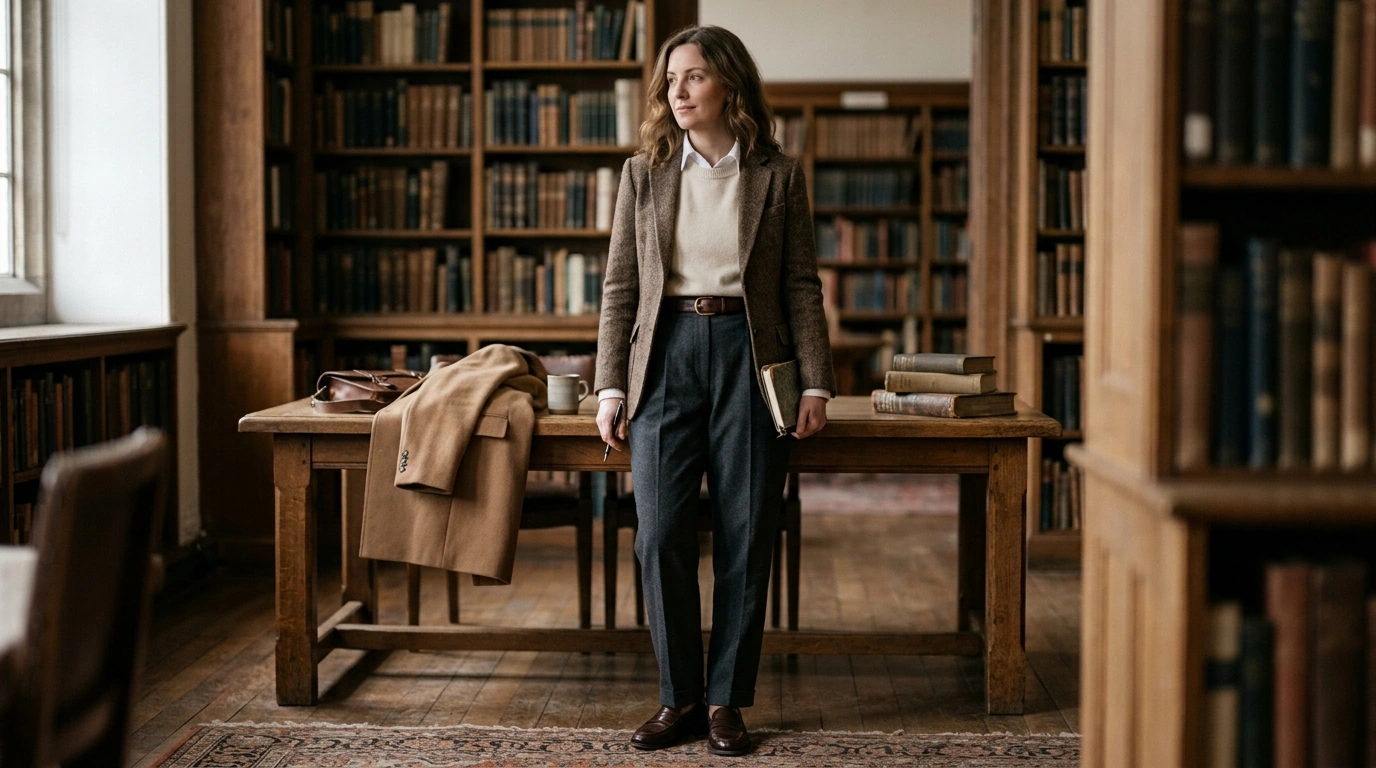
Dark Academia Fashion for Beginners: The Mood Behind the Clothes
Dark academia fashion blends classic tailoring, scholarly details, and a moody, bookish palette. The easiest way to start is to build a small set of versatile pieces in rich textures, then repeat a few dependable outfit formulas that feel polished and intentional—without drifting into costume territory. For more guidance, see (PDF) Fashion Design Basics eng Oct.
Think of the style as “library-ready” dressing: structured layers, touchable fabrics, and a quiet, old-world confidence. The clothes should look worn in (not worn out), as if they’ve traveled between campus, cafés, and rainy streets tucked under a well-made coat. For further reading, see Fashion History Timeline | A hub for fashion research.
What Dark Academia Style Feels Like (Not Just What It Looks Like)
Before buying anything, lock in the vibe. Dark academia reads best when the silhouette is studious and the materials do some of the storytelling.
- Prioritize “studious” silhouettes: structured shoulders, higher waists, and layered knits over crisp shirts.
- Choose literary textures: tweed, wool, corduroy, leather, and cotton poplin look refined and lived-in.
- Stay practical: aim for wearable vintage-inspired outfits—not theatrical uniforms.
- Let grooming and small details finish it: a belt, watch strap, loafers, tidy hair, and a subtle scent go further than extra props.
The Core Color Palette and Textures
Color is your shortcut to cohesion. Dark academia relies on deep neutrals warmed up with classic light tones, then finished with one or two academic accents like burgundy or forest green.
- Base neutrals: black, charcoal, espresso, chocolate brown, and deep navy.
- Warm classics: camel, tan, cream, oatmeal, muted gold tones.
- Accents: burgundy, forest green, oxblood, and muted plaid patterns.
- Let texture do the heavy lifting: pair smooth (shirt, turtleneck) with rough (tweed blazer, corduroy trousers).
Beginner-Friendly Palette and Fabric Pairings
| Base Color | Accent Color | Best Fabrics | Easy Outfit Result |
|---|---|---|---|
| Charcoal | Burgundy | Wool, cotton poplin | Blazer + white shirt + burgundy knit |
| Espresso Brown | Cream | Corduroy, cashmere-like knits | Cord trousers + cream turtleneck |
| Black | Forest Green | Leather, tweed | Black jeans + tweed jacket + green scarf |
| Camel | Oxblood | Wool blend, suede | Camel coat + oxblood accessories |
For a little historical grounding (and inspiration), browsing museum fashion collections can help you spot timeless shapes and fabrics: the Victoria and Albert Museum Fashion Collection is a great reference point, and Encyclopaedia Britannica’s entry on tweed explains why the fabric became such a wardrobe staple.
Wardrobe Foundations: The 12 Pieces That Build Most Outfits
A capsule approach keeps dark academia looking elevated. These pieces mix into dozens of combinations with minimal effort:
- Top layer: a tweed or wool blazer; a classic trench or long wool coat.
- Knitwear: a crewneck sweater; a turtleneck (black, cream, or brown).
- Shirting: a white button-down; a striped or cream blouse/shirt.
- Bottoms: pleated trousers; straight-leg dark denim; corduroy pants (brown or olive).
- Footwear: loafers or oxfords; ankle boots.
- Accessories: leather belt; simple watch strap; tote or satchel; subtle scarf.
Outfit Formulas to Start Wearing Immediately
Outfit formulas remove decision fatigue. Rotate one hero blazer or coat across multiple combinations and let your shirt/knit swap change the mood.
- Formula 1: Button-down + sweater vest/crewneck + pleated trousers + loafers.
- Formula 2: Turtleneck + blazer + dark denim + ankle boots.
- Formula 3: Oxford shirt + cardigan + corduroy pants + loafers (add a scarf in cooler weather).
- Formula 4: Long coat + knit + trousers + minimal accessories for a cleaner, modern take.
Fit and Proportions: The Fastest Way to Look Put-Together
Dark academia depends on structure. Even budget-friendly pieces look premium when the fit is dialed in.
- Start at the shoulders: blazer and coat shoulders should align cleanly; tailoring can refine waist and sleeves.
- Keep the waistline tidy: tuck shirts, add a belt, and choose higher-rise trousers when possible.
- Balance volume: oversized top layer pairs best with straighter bottoms; wide trousers pair best with structured top layers.
- Mind the hem: ankle-length trousers highlight loafers; full-length works well with boots.
Accessories That Add ‘Academia’ Without Overdoing It
Accessories should look useful, not performative. Leather and metal details are the simplest way to signal classic taste.
- Lean into leather: belts, watch straps, and structured bags read instantly timeless.
- Keep metals consistent: choose mostly silver or mostly gold hardware per outfit.
- Use eyewear and hair styling to unify basics: neat grooming makes knit + trousers look deliberate.
- One statement at a time: plaid scarf, bold watch strap, or standout coat—pick one.
Dark Academia-Friendly Picks (In Stock)
- A Beginner’s Guide to Dark Academia Fashion | Dark Academia Fashion for Beginners | Digital Style Guide & Wardrobe Building Handbook
- Corduroy Fabric Strap for Apple Watch
- premium-leather-strap-for-apple-watch-49mm-45mm-44mm-41mm-40mm
Seasonal Adjustments (Warm Weather Included)
This style adapts well across seasons when you keep the same palette and structure but change fabric weight.
Common Beginner Mistakes (and Simple Fixes)
A Simple Wardrobe-Building Plan (2 Weeks to a Capsule)
For deeper visual references beyond modern styling, the Metropolitan Museum of Art’s Heilbrunn Timeline of Art History is a reliable way to explore how silhouettes and materials evolved over time.
FAQ
How can dark academia look authentic without feeling like a costume?
Use one signature element (like a tweed blazer, loafers, or a trench) and keep the rest simple and modern. Authenticity comes from fit and texture—wool, corduroy, and crisp cotton look natural instead of theatrical.
What are the best starter colors for a dark academia wardrobe?
Charcoal, brown, black, and cream make the most flexible foundation. Add one accent like burgundy or forest green, and keep a lighter tone near your face (a cream knit or white shirt) to prevent the look from feeling flat.
Can dark academia work in warm climates?
Yes—swap heavy wool for breathable cotton, linen-cotton blends, and lighter knits while keeping the same darker accessories and structured shapes. A short-sleeve knit with pleated trousers and loafers still reads academic without overheating.















Leave a comment