Break the Tension: 60-Second Stress Reset You Can Repeat
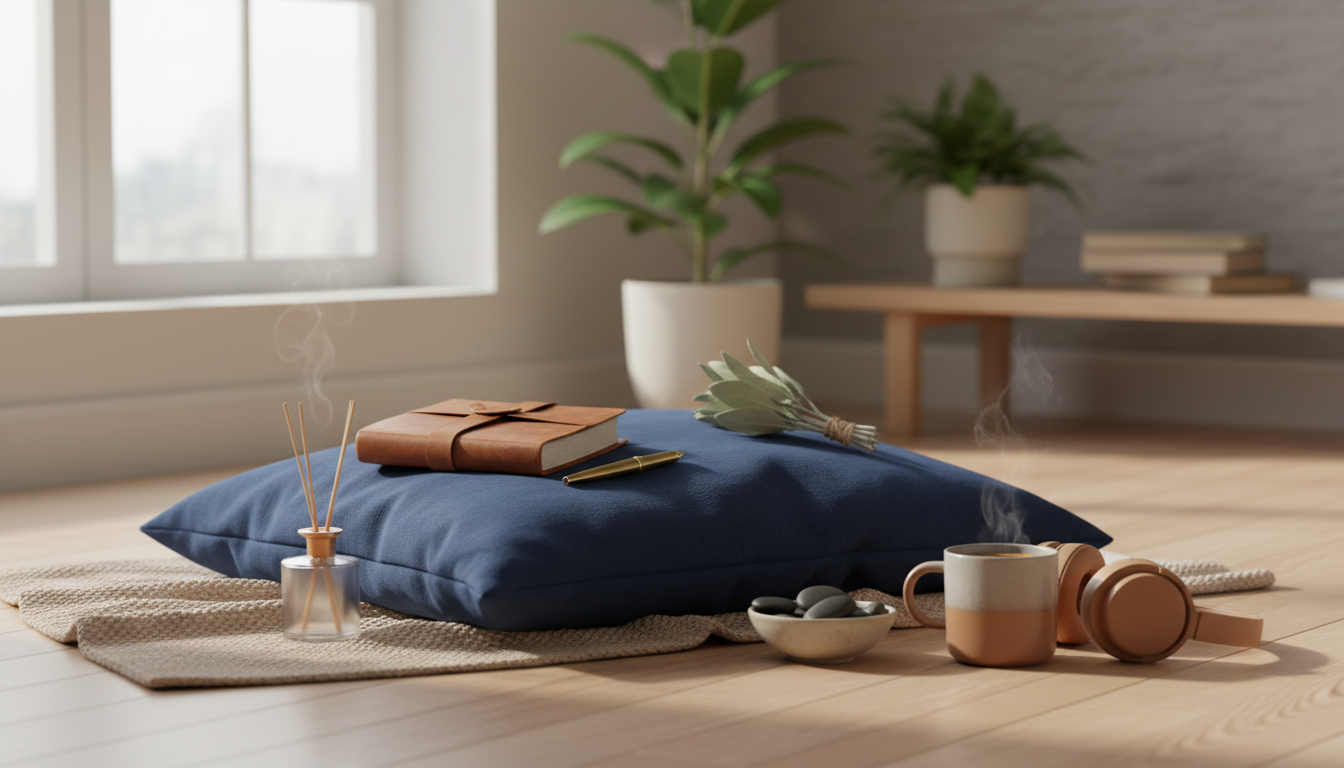
Break the Tension with a Simple 4-Step Sequence
Stress often shows up as tight shoulders, racing thoughts, shallow breathing, and a constant sense of being behind. When you need fast relief, it helps to work in a reliable order: calm the body first (breath), steady attention (grounding), reset the mind (brief meditation), then reduce repeat triggers (time blocks and shutdown routines). These techniques are designed for real life—60 seconds between meetings, 5 minutes before bed, or a quick reset during a packed day.
For a structured, quick-reference format you can revisit anytime, see Break the Tension: Stress Relief Techniques – Breathing Exercises, Quick Meditations, Grounding Techniques, and Time Management Tips to Reduce Stress.
Start with a 60-second body reset
Before you try to “think your way out” of stress, check for early physical signals: clenching your jaw, a tense neck, a rapid heartbeat, irritability, or getting pulled into doom-scrolling. Lowering the physiological “volume” first makes everything that follows easier.
Quick posture shift (about 15 seconds)
Put both feet flat on the floor. Let your shoulders drop. Unclench your jaw and gently release your tongue from the roof of your mouth. Soften your gaze—no staring, no squinting.
Micro-release exhale (about 45 seconds)
Take a slow exhale and imagine your ribs and collarbones melting downward. Repeat one more time without forcing. If you notice dizziness during breathwork, return to normal breathing and switch to grounding instead.
Breathing exercises that calm fast
Breathing techniques are popular for a reason: they’re portable, private, and often work quickly. The goal isn’t “perfect breathing”—it’s a noticeable downshift you can feel in the shoulders, throat, and face.
Physiological sigh (30–60 seconds)
Inhale through the nose, then add a short second inhale on top. Exhale slowly through the mouth. Repeat 2–5 times. This pattern can reduce breathlessness and tension quickly by emphasizing a longer exhale.
Box breathing (2–4 minutes)
Inhale for 4, hold for 4, exhale for 4, hold for 4. Keep counts comfortable rather than forced; even 3–3–3–3 is fine if that feels steadier.
Extended exhale breathing (2–5 minutes)
Inhale for 3–4 counts and exhale for 6–8 counts. Longer exhales tend to encourage relaxation. If anxiety spikes during holds, skip holds entirely and stick with a gentle extended exhale.
Pair breathing with a cue
Build it into your day: every time a notification arrives, take one slow exhale before responding. A small ritual like this can prevent stress from stacking.
| Situation | Technique | How long | Tip |
|---|---|---|---|
| Heart racing or panic-y energy | Physiological sigh | 30–60 sec | Keep the exhale longer than the inhale |
| Need focus before a task | Box breathing | 2–4 min | Use comfortable counts (3–3–3–3 is fine) |
| Tension headache or jaw clench | Extended exhale breathing | 2–5 min | Relax the tongue and soften the brow |
| Feeling overstimulated | Slow nasal breathing | 1–3 min | Breathe quietly; let the belly expand on inhale |
Quick meditations that fit into a busy day
Meditation doesn’t have to be long to be useful. Think “reset,” not “escape.” If sitting still feels frustrating, do a grounding technique first; stable attention often comes after the body feels safer.
One-minute “name it to tame it”
Silently label what’s present—“tight chest,” “worry,” “pressure.” No arguing with it, no fixing it. Labeling can reduce reactivity and help you shift from spiral to observation.
Three-sense reset (90 seconds)
Notice 3 things you can see, 2 things you can hear, 1 thing you can feel. Keep it concrete (colors, edges, sounds), not interpretive.
Timer-based pause (2–5 minutes)
Set a timer. Feel the breath at the nostrils. When the mind wanders, return without self-criticism—every return is the exercise.
Walking micro-meditation (2–10 minutes)
Grounding techniques for stress spikes and overwhelm
5–4–3–2–1 method (2–3 minutes)
Temperature grounding (30–90 seconds)
Pressure and proprioception (1–2 minutes)
Boundary cue (30 seconds)
Time management tips that reduce stress at the source
Minimum viable plan (5 minutes)
Time-block with buffers
Two-minute rule for clutter
Protect recovery like a meeting
Stop the “open loop” leak
Build a simple daily routine (morning, midday, night)
Morning (3–5 minutes)
Midday (2–4 minutes)
Evening (5–10 minutes)
If-then plans that actually stick
Small tools that support the habit (without adding complexity)
- Corduroy Fabric Strap for Apple Watch
- Premium Leather Strap for Apple Watch (49mm/45mm/44mm/41mm/40mm)
For a compact, step-by-step collection of the practices above, keep Break the Tension: Stress Relief Techniques – Breathing Exercises, Quick Meditations, Grounding Techniques, and Time Management Tips to Reduce Stress on hand.
When stress might need extra support
These skills can complement therapy and medical care; they’re tools for regulation, not a substitute for diagnosis or treatment. For additional background, visit the American Psychological Association (APA) overview on stress or the NCCIH guide to meditation and mindfulness.
FAQ
What’s the fastest technique to calm down in the moment?
Try 2–5 physiological sighs (double inhale, long exhale), then ground by pressing your feet into the floor and naming 3 things you can see. Keep it gentle; if you feel dizzy, return to normal breathing and use grounding instead.
How long should breathing exercises or quick meditations last to be effective?
Even 30–90 seconds can help in acute moments, while 2–10 minutes tends to create a steadier, more noticeable calm. Consistency matters more than duration, so choose a length you’ll actually repeat.
How can time management reduce stress instead of adding more pressure?
Limit priorities to the top 1–3 outcomes, use time blocks with buffers, and end the day with a short shutdown note to close “open loops.” That structure creates breathing room rather than turning the day into a rigid optimization project.















Leave a comment