AI Sleep Checklist: A 30-Min Digital Wind-Down Routine
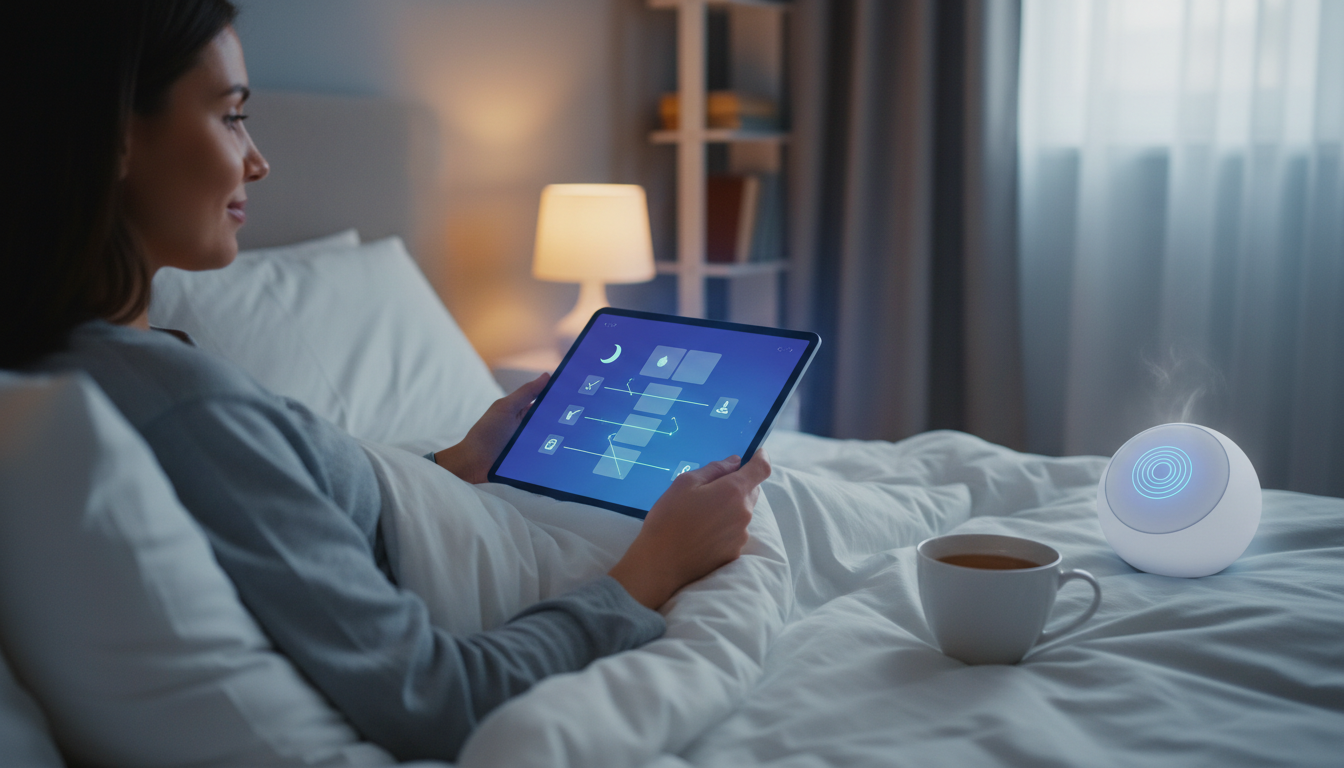
AI-Backed Sleep Hack Checklist: A Simple Digital Routine for Falling Asleep Faster
A consistent wind-down routine is one of the quickest ways to improve sleep quality. This AI-backed sleep hack checklist is a lightweight digital sleep aid designed to reduce decision fatigue at bedtime, reinforce calming habits, and help build a repeatable sequence that supports faster sleep onset and better rest.
Sleep is foundational for mood, focus, and long-term health, and even small changes—done consistently—can add up. For a helpful overview of why sleep matters and how sleep works, see the National Institute of Neurological Disorders and Stroke’s overview of sleep fundamentals at NINDS, plus practical public-health guidance from the CDC.
Why a checklist works when sleep feels elusive
When bedtime arrives and the brain is tired, it’s easy to slip into a loop of “what should I do now?” A checklist turns bedtime into a short sequence of small steps, so there’s less room for spiraling, improvising, or negotiating with yourself.
- Reduces decision fatigue by making the next step obvious.
- Supports consistency, which strengthens the brain’s association between routine and sleepiness.
- Helps limit common sleep disruptors (light, noise, late caffeine, mental stimulation) before they pile up.
- Creates a quick way to track what helps and what backfires without overthinking.
- Pairs well with a phone-friendly format that works in low light with minimal interaction.
What’s inside the AI-backed sleep hack checklist
A good bedtime routine isn’t “perfect”—it’s repeatable. The checklist is structured to help you run the same calming sequence on most nights, while still adapting to real-life constraints (late work, travel, stress spikes).
- A step-by-step pre-sleep flow that can be completed in 15–45 minutes depending on the night.
- Prompts for environment setup (light, temperature, noise) that typically drive comfort and sleep continuity.
- Short “mind off-ramp” cues to reduce rumination and racing thoughts.
- Options for different schedules: early bedtime, late bedtime, and “overtired” nights.
- A quick scoring or note area to identify the 1–2 changes that make the biggest difference.
If you want a ready-to-use version you can keep on your phone, the AI-Backed Sleep Hack Checklist (Instant Download) is designed for minimal tapping and fast nightly follow-through.
A practical bedtime routine you can run in under 30 minutes
The goal is not to force sleep—it’s to set the conditions that make sleep more likely. Use the routine as a “runway” that helps your nervous system slow down and your environment get quieter, darker, and more comfortable.
- Choose a consistent start time for wind-down, even if bedtime varies.
- Dim lights and reduce screen brightness; switch to warmer lighting if possible.
- Set a “last call” for caffeine, nicotine, and heavy snacks; aim for lighter options later in the evening.
- Do a 2–5 minute reset: gentle stretching, a warm shower, or slow breathing.
- Use a short brain-dump note: list tomorrow’s top 3 tasks, then stop planning.
- Keep the bedroom for sleep and intimacy; move work, scrolling, and intense conversations elsewhere when possible.
- If not asleep after ~20 minutes, do a calm, low-light activity and return when sleepy.
Quick routine options by time and energy level
| When | Checklist focus | Time | Example actions |
|---|---|---|---|
| Busy weeknight | Minimum effective wind-down | 10–15 min | Dim lights, phone on DND, 2 min breathing, set room cool, in bed |
| Typical night | Balanced routine | 20–30 min | Light snack if needed, warm wash, brain-dump note, gentle stretch, consistent bedtime cue |
| Overtired or stressed | Nervous system downshift | 30–45 min | Warm shower, longer breathing, low-stim reading, remove clock-watching, return to bed when drowsy |
Make the checklist fit real life (without perfectionism)
Consistency beats intensity. The best routine is the one you can repeat on your worst nights—not just your best ones.
- Start with 3–5 items and expand only after they feel automatic.
- Treat missed nights as data, not failure—identify what changed (late meal, late screen time, stress spike).
- Use “if/then” rules: if bedtime is late, then run the 10–15 minute version instead of skipping.
- Protect the first 5 minutes: lighting + phone boundaries often deliver the biggest payoff.
- Keep the checklist accessible: lock-screen note, home-screen shortcut, or printed copy near the bed.
Common blockers and fast fixes
Most sleep derailments are predictable. When you plan for them, you spend less time wrestling with them.
Small add-ons that support the routine
- Corduroy Fabric Strap for Apple Watch for a softer, cozy feel during overnight wear.
- Premium Leather Strap for Apple Watch for a classic fit if you prefer a more structured band.
- Milanese Magnetic Stainless Steel Band for Apple Watch for quick adjustment and secure closure if you shift positions at night.
Who this digital sleep aid is best for
How to use it tonight (a quick start)
FAQ
How fast can a bedtime checklist improve sleep?
Many people notice improvements within a few nights because a consistent wind-down reduces stimulation and builds a stronger “it’s time to sleep” cue. Bigger, more reliable gains often show up over 1–2 weeks as you track what helps most and repeat the same core steps.
What should be avoided right before bed to fall asleep faster?
Bright light and screens, heavy meals, late caffeine or nicotine, stressful planning, and clock-watching commonly make it harder to fall asleep. Swap in dim lighting, a lighter snack if needed, and a short wind-down sequence that signals your brain to power down.
Is this a replacement for medical advice for insomnia?
No—this is a routine tool, not medical care. If insomnia persists for several weeks, or there are signs like loud snoring, breathing pauses, or severe daytime sleepiness, it’s important to talk with a qualified clinician.
















Leave a comment