47-Inch Farmhouse Dining Table for 4: Space-Smart Fit
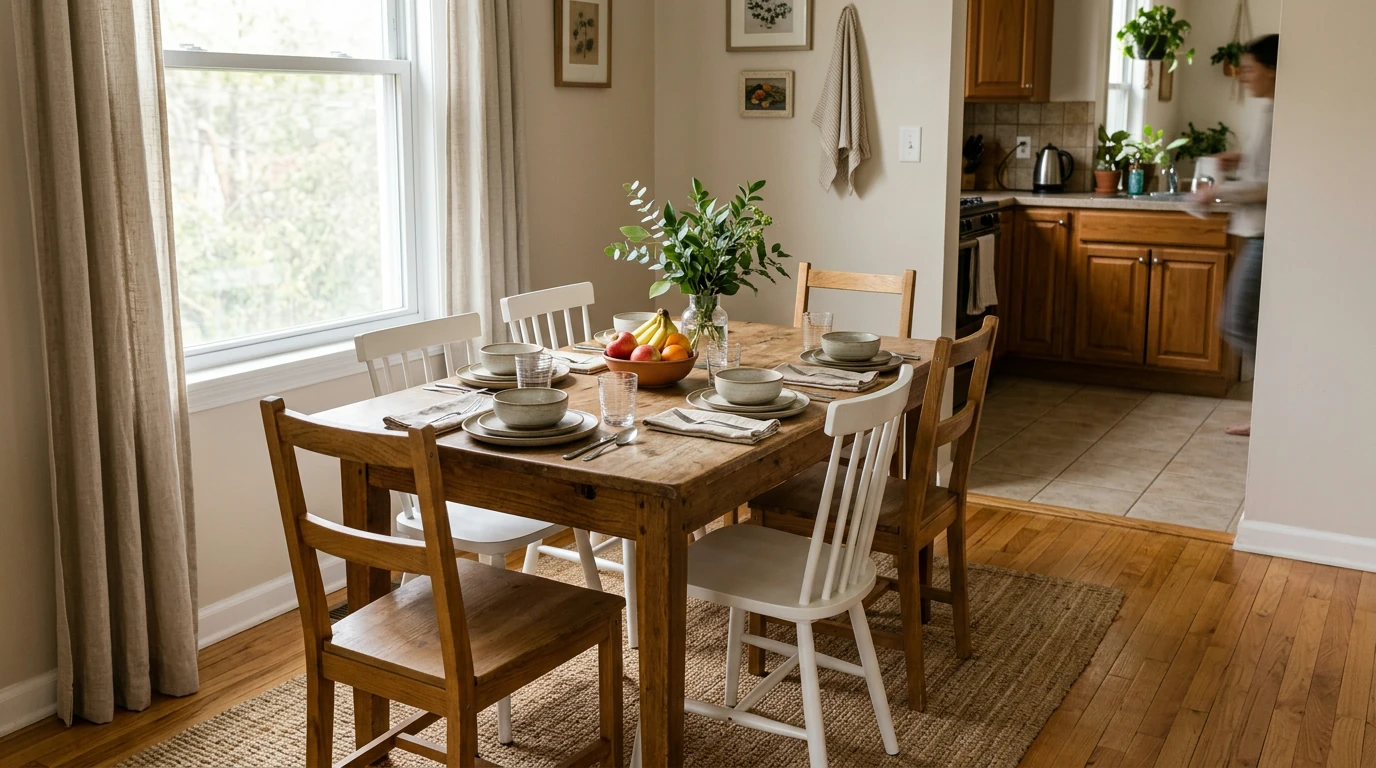
Farmhouse 47-Inch Dining Table for 4: the right fit for everyday meals and easy hosting
A dining table earns its place by making daily routines simpler—coffee in the morning, homework after school, quick weeknight dinners, and the occasional “come sit with us” moment. Our team likes the 47-inch size because it keeps a room feeling open while still giving four people a comfortable spot to gather. Below, we’ll walk through fit, setup, and how to get that warm farmhouse look without turning your dining area into a “special occasions only” zone.
Why 47 inches is a sweet spot for a table that seats four
In real homes (especially apartments, townhomes, and open-plan layouts), the best table is often the one that fits the way you actually move through the space. A 47-inch dining table typically hits a practical middle ground: enough surface area to eat comfortably, small enough to keep your walkways usable.
- Balanced footprint: A 47-inch length commonly supports four place settings without dominating a dining nook or eating area off the kitchen.
- Easier traffic flow: When the dining zone shares space with a living room path or a kitchen island, a smaller table helps prevent “scoot past me” bottlenecks.
- Flexible beyond meals: The surface can pull double-duty as a laptop spot, craft station, or game-night hub—without feeling oversized the rest of the day.
- Better visual proportion: Farmhouse style can look heavy if it’s scaled up too far; a modest length keeps the cozy feel without crowding the room.
Simple space-planning guide for a 4-seat dining table
| Layout check | What to measure | Comfortable target |
|---|---|---|
| Chair pull-back space | From table edge to wall/other furniture | At least ~36 inches when possible; ~24–30 inches can work in tighter nooks |
| Walking path | Clear path through the dining area | Aim for a clear, consistent walkway so people can pass while others are seated |
| Rug sizing | Rug size relative to table + chairs | Choose a rug that still covers chair legs when chairs are pulled out |
| Lighting alignment | Ceiling light centered over the tabletop | Center the fixture over the table and keep sightlines open across the room |
If you want a more formal reference point for circulation and clear space concepts, the ADA Standards for Accessible Design (2010) offers helpful framework language you can adapt to your home layout.
Farmhouse style that feels warm (without feeling formal)
Farmhouse works best when it’s welcoming, not precious. The goal is a table that looks pulled-together but still invites you to use it every day.
- Mix-friendly look: Farmhouse design pairs easily with modern, traditional, and industrial accents—great if the rest of your home isn’t strictly farmhouse.
- Everyday welcoming: A farmhouse table reads as approachable, which helps your dining area feel like a daily destination rather than a display space.
- Comfort-first styling: Keep your tabletop functional. A simple runner or tray can “corral” essentials while leaving room to eat, write, or play.
A simple styling formula our team uses: one low profile centerpiece (tray or runner), one practical item you actually use (napkins, salt/pepper, coasters), and nothing tall enough to block conversation.
Seating and room pairing ideas for four people
How you seat four matters just as much as the tabletop size. Comfort depends on chair width, arm clearance, and how often you’ll linger at the table.
- Four matching chairs: Clean, classic, and visually calm—especially helpful in smaller rooms.
- Two-and-two mix: Two side chairs plus two slightly different end chairs adds character while still looking intentional.
- Bench pairing (space saver): A bench along one side can reduce visual bulk and tucks in neatly when not in use—handy in narrower dining areas.
- Hosting strategy: For gatherings, keep a serving station nearby (counter, console, or bar cart) so the table stays comfortable for seating.
Daily durability habits: keeping a farmhouse table looking its best
A farmhouse table should handle real life, but a few routines go a long way toward preventing the small issues that add up over time.
If your chairs include textile elements (like cushions), the FTC’s care labeling guidance is a helpful reminder to follow any provided care instructions so fabrics wear evenly.
Set-up checklist for a smooth first week
The featured pick from our store
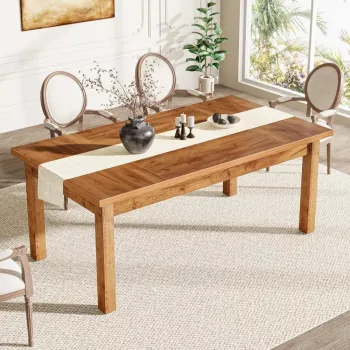
Farmhouse 47-Inch Dining Table for 4
Also available (quick add-ons)
FAQ
Will a 47-inch dining table comfortably seat four adults?
Yes, a 47-inch table is commonly used for four place settings, but comfort depends on chair width and how much elbow room you prefer. Measure your chair widths and make sure each person has enough personal space to sit without bumping arms during meals.
How much space should be left around a dining table for chairs and walking?
When possible, aim for about 36 inches from the table edge to a wall or furniture so chairs can pull back and people can pass. In tighter rooms, you can make it work with slimmer chairs, a bench on one side, or by shifting the table slightly to protect the main walkway.
What’s the easiest way to style a farmhouse dining table for everyday use?
Keep it simple: use a low-profile runner or tray, keep the center mostly clear, and choose wipeable textures that won’t feel fussy. Functional décor—like coasters or a small catch-all—looks intentional while staying out of the way at mealtime.










Leave a comment