40-Inch Floating Vanity: Soft-Close Drawers, Ceramic Sink

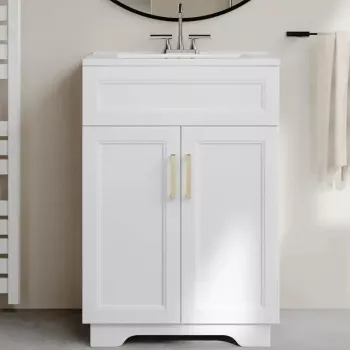
40″ Wall-Mounted Bathroom Vanity with Soft-Close Drawers and Ceramic Sink
A wall-mounted vanity can open up floor space, simplify cleaning, and give a bathroom a lighter, more modern feel. This 40″ model pairs soft-close drawers for quieter daily use with a ceramic sink designed for easy wipe-downs, making it a strong fit for primary baths, guest baths, and refreshed apartment layouts.
Why a Wall-Mounted Vanity Changes the Room
“Floating” vanities do more than look current—they can change how the whole bathroom functions day to day. Because the cabinet sits off the floor, you gain both visual breathing room and practical access for cleaning.
- Creates visible floor space that can make smaller bathrooms feel less crowded
- Helps with cleaning since there are fewer floor-level edges and legs to work around
- Supports a contemporary, floating look that pairs well with minimalist mirrors and lighting
- Allows flexibility in mounting height when planning for comfort and accessibility
For spacing, clearances, and layout comfort, it helps to review the National Kitchen & Bath Association (NKBA) bathroom planning guidance while mapping out door swings and walking paths.
Soft-Close Drawers: Small Feature, Big Daily Difference
In a bathroom, drawers get used constantly—morning routines, bedtime routines, hair tools, refills, and everything in between. Soft-close hardware turns that repetitive movement into something quieter and more controlled.
- Soft-close hardware reduces slamming, helping protect drawer joints and finishes over time
- Quieter operation is especially helpful in shared homes and early-morning routines
- Smoother motion makes it easier to open and close drawers with one hand
- A good fit for families since it lowers the chance of pinched fingers compared with hard-closing drawers
It’s one of those “you notice it most after you’ve had it” upgrades: the vanity feels calmer, and the cabinet tends to stay looking newer as daily wear is reduced.
Ceramic Sink Benefits for Bathrooms
Ceramic is a classic sink material for a reason—it holds up well to everyday use and generally cleans up without drama. For bathrooms that see frequent handwashing, toothpaste splatter, or makeup cleanup, that simplicity matters.
- Non-porous surface typically resists staining from toothpaste, soap, and everyday splash marks
- Easy to maintain with mild cleaners and soft cloths (avoid abrasive pads when possible)
- Clean, bright finish complements chrome, matte black, brushed nickel, and mixed-metal fixtures
- Pairs well with both warm wood tones and crisp painted cabinetry looks
If you’re pairing the vanity with water-saving fixtures, the EPA WaterSense program is a helpful reference point for choosing efficient faucets and aerators that can reduce splashing while trimming water use.
Storage and Countertop Use at 40 Inches
A 40-inch vanity often lands in a sweet spot: roomy enough to feel like a “real” workstation, but not so large that it overwhelms a mid-size bathroom. Countertop habits matter, though—especially if multiple people share the sink.
- 40″ width often balances counter space with a footprint that still works in many mid-size bathrooms
- Drawer-based storage helps keep toiletries organized and visible without stacking
- Consider how tall bottles, hair tools, and backups will be stored—drawer organizers can prevent shifting
- Plan for daily-use items on the counter and less-used items in drawers to keep the top uncluttered
A practical approach is to “zone” your storage: top drawer for daily essentials, lower drawer for backups and larger items. That keeps the sink area from becoming a catch-all and makes wipe-downs faster.
Installation Planning Checklist
Wall-mounted vanities reward good prep. Before ordering or installing, it’s worth confirming the wall structure and plumbing locations so the floating look doesn’t come with surprises on install day.
- Confirm wall type and backing: wall-mounted vanities typically need secure anchoring into studs or proper blocking
- Verify plumbing rough-in alignment for drain and supply lines before final mounting height is set
- Measure door swings and drawer clearances so hardware and pulls won’t collide with nearby walls or fixtures
- Use a level and follow mounting instructions carefully; re-check level after tightening fasteners
- Consider professional installation if relocating plumbing or adding blocking behind finished walls
For many homes, the biggest decision is whether the current studs and plumbing are already in the right spots. If they are, installation is typically straightforward; if not, adding blocking and adjusting rough-ins can be the difference between “mounted” and “rock-solid.”
Key Details at a Glance
If you’re comparing sizes and features, this quick snapshot helps keep the essentials in view.
| Item | Detail |
|---|---|
| Product | 40″ Wall-Mounted Bathroom Vanity with Soft-Close Drawers and Ceramic Sink |
| Width | 40 inches |
| Mounting style | Wall-mounted (floating) |
| Drawers | Soft-close |
| Sink | Ceramic |
| Availability | In stock |
| Price | 686.47 USD |
Care and Long-Term Upkeep
A floating vanity tends to stay looking sharp when it’s treated like a “dry zone” cabinet and when water is managed quickly. A few small habits go a long way.
Who This Vanity Suits Best
More In-Stock Picks
FAQ
Does a wall-mounted vanity need studs or extra support?
Yes. A wall-mounted vanity should be securely anchored into studs or solid blocking per the manufacturer’s instructions, since the cabinet and sink become heavy once loaded. Drywall anchors alone are typically not enough for long-term stability.
Are soft-close drawers worth it in a bathroom?
They’re worth it for many households because they reduce noise, minimize wear from slamming, and feel smoother in daily routines. Soft-close also adds a safety advantage by lowering the chance of pinched fingers.
How should a ceramic sink be cleaned without damaging the finish?
Use a mild cleaner or gentle soap with a soft cloth or non-abrasive sponge, then rinse and dry to reduce water spots. Avoid harsh scouring pads and abrasive powders that can dull the surface over time.














Leave a comment