Waterproof Laptops: Myth, Rugged Options, and Protection

Is there such a thing as a waterproof laptop?
For most shoppers, the practical answer is no. A few rugged, industrial-grade laptops are built to survive heavy rain, splashes, and even temporary immersion, but typical consumer laptops (including most ultrabooks and MacBooks) are not truly waterproof. They may have minor spill resistance in the keyboard area, yet water can still enter through ports, speaker grilles, vents, seams, and the hinge—areas that are difficult to seal without making the device bulky and harder to cool.
Why “waterproof” is rare in everyday laptops
To be genuinely waterproof, a laptop would need extensive gasketing around every opening and strong protection for internal components. That adds thickness, weight, and cost, and it can limit performance by reducing airflow. Instead, mainstream brands generally focus on durability, lightweight design, and thermal management—three goals that conflict with full waterproofing.
What to look for if water protection is a priority
If you work outdoors or travel in wet conditions, consider a rugged model with a published ingress protection (IP) rating or military durability testing. Even then, check the fine print: some devices resist splashes but aren’t meant for submersion, and warranties often exclude liquid damage.
How to protect a non-waterproof laptop day to day
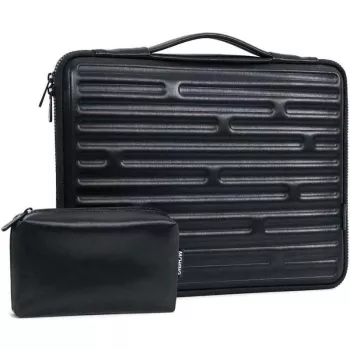
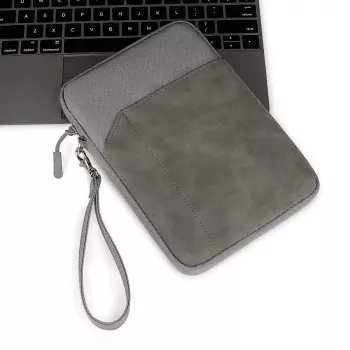
The most reliable approach is external protection: use a water-resistant sleeve or case, keep the laptop in a zippered compartment, and avoid placing it in the same bag pocket as water bottles or damp items. For a detailed guide on choosing a protective sleeve and accessory pouch—especially for MacBooks—visit this water-resistant MacBook sleeve & accessory pouch guide.
For Waterproof Laptops: Myth, Rugged Options, and Protection, the best answer depends on fit, material, care instructions, and how the product will be used day to day.
FAQ
How can I protect my laptop from rain while commuting?
Use a water-resistant sleeve inside your bag, then carry that bag in a way that keeps zippers facing upward and minimizes direct exposure. If you get caught in heavy rain, dry the exterior before opening the bag so moisture doesn’t drip onto the laptop.














Leave a comment