Perfume Storage Tips to Make Fragrance Last Longer
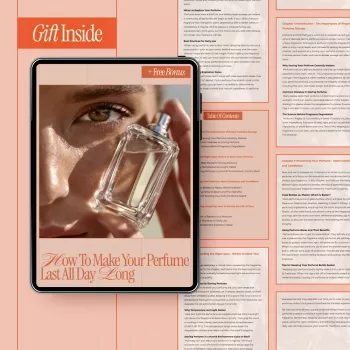
How to Make Your Fragrance Last Longer Starts With Storage
Perfume longevity depends as much on how it’s stored as how it’s worn. Light, heat, oxygen, and humidity slowly change delicate aroma molecules, dulling bright top notes and flattening the character of a scent. The good news: most “my perfume doesn’t smell the same anymore” issues are preventable with a few practical habits and a smarter spot at home for your bottles—whether it’s a daily signature or a special-occasion favorite.
What Makes Perfume Go “Off”
Fragrance is a carefully balanced formula, and it doesn’t take much to nudge it out of shape. The most common causes of degradation are:
- Oxidation: Oxygen entering the bottle over time can shift the scent profile, often making it smell sharper, flatter, or slightly sour.
- Heat: Higher temperatures speed up chemical reactions that break down aroma compounds; repeated warming/cooling is especially stressful.
- Light exposure: UV and strong visible light can degrade ingredients and discolor juice, particularly in clear bottles.
- Humidity swings: Moisture and temperature changes in bathrooms can stress caps, atomizers, and seals.
- Contamination: Touching the sprayer, decanting without clean tools, or using open-neck bottles can introduce skin oils and debris.
The Best Storage Conditions (Simple Rules That Work)
Think of perfume like a delicate pantry item: it stays truest when the environment is consistent.
- Keep it cool: Aim for a stable, moderate room temperature and avoid radiators, windowsills, and hot shelves above appliances.
- Keep it dark: Store in a drawer, cabinet, or the original box to reduce light exposure.
- Keep it dry: Choose a bedroom closet, dressing table drawer, or dedicated cabinet over a bathroom counter.
- Keep it sealed: Cap on, sprayer protected, bottle upright; minimize unnecessary opening.
- Keep it stable: Consistency matters more than “coldest possible”—avoid frequent moves between rooms.
Storage Do’s and Don’ts (Quick Reference)
| Factor | Do | Avoid |
|---|---|---|
| Light | Use a drawer, cabinet, or original box | Windowsills, vanity tops in direct sun, bright display shelves |
| Temperature | Choose a stable, cool room | Radiators, near ovens, inside hot cars, frequent temperature swings |
| Humidity | Store in a dry closet or bedroom cabinet | Bathrooms, near showers, sinks, humidifiers |
| Air exposure | Keep cap on and bottle upright | Leaving uncapped, storing on its side, frequent decanting |
| Handling | Hold bottle by the body; wipe if sticky | Touching the sprayer/nozzle, shaking vigorously, dropping or knocking over |
Where to Store Perfume at Home (Room-by-Room Guidance)
- Bedroom: A closed drawer or wardrobe shelf offers stable temperature and low light; ideal for daily bottles.
- Closet: Dark and generally cool; store upright in a small tray so bottles don’t tip.
- Vanity area: If used, place bottles away from windows and heat tools; consider a lidded box for light protection.
- Bathroom: Usually the worst option due to heat and humidity spikes; only acceptable if well-ventilated and kept in a closed cabinet far from the shower.
- Travel/commute: Avoid leaving perfume in a parked car; use a small atomizer and keep it in a bag pocket away from heat.
Bottle Types and How Storage Needs Change
Not all bottles protect fragrance equally. Storage matters most when the design encourages air exchange or light exposure.
- Atomizer sprays: Generally more protected than dab/open bottles, but still vulnerable to gradual air exchange over long periods.
- Open-neck or dab bottles: Higher risk of oxidation and contamination; keep tightly closed and use clean application tools.
- Clear vs. dark glass: Clear bottles need more protection from light; store in a box or dark drawer.
- Large bottles: More headspace develops as the bottle empties; oxidation risk increases over time—use consistently, or decant responsibly (clean, airtight) if it will sit for years.
- Natural-heavy compositions: Citrus-forward blends and some naturals often change faster; treat them as more light/heat sensitive.
Everyday Habits That Preserve Scent Quality
- Cap it immediately: Put the cap back on right after spraying to protect the sprayer and reduce ambient exposure.
- Don’t shake: Shaking can introduce bubbles and increase oxygen contact in the liquid.
- Store upright: This prevents slow leaks and helps protect the atomizer assembly.
- Keep bottles clean: Wipe residue around the neck/nozzle so seals stay tight and sprayers don’t gum up.
- Rotate rarely used fragrances: Check them seasonally and keep them in the darkest, most stable spot you have.
How to Tell If a Perfume Has Degraded
If something seems “off,” move the bottle to a cooler, darker place and re-test after a week. If it smells unpleasant or causes irritation, discontinue use and consider fragrance-sensitivity guidance from a medical authority like the Cleveland Clinic.
Make Fragrance Last Longer on Skin (Fast Wins Beyond Storage)
Smart Storage Setup: A Simple “Perfume Station”
For a deeper walkthrough you can reference anytime, see Ultimate Perfume Storage Guide.
Recommended Picks (In Stock)
- How to Make Your Fragrance Last Longer – Ultimate Perfume Storage Guide | Learn How to Store Your Perfume to Make It Last
- Corduroy Fabric Strap for Apple Watch
- milanese-magnetic-stainless-steel-band-for-apple-watch
For additional fragrance standards and ingredient safety context, the International Fragrance Association (IFRA) is a helpful reference.
FAQ
Is it okay to store perfume in the refrigerator?
It can help only if the temperature stays stable and the bottle is protected from light and moisture. Frequent door opening can cause temperature swings and condensation, so a cool, dark drawer or closet is usually safer for everyday storage.
How long does perfume last once opened?
Many fragrances stay enjoyable for several years when stored cool, dark, dry, and sealed. Lighter citrus-forward scents often change sooner, while darker resinous profiles may hold up longer—smell and color changes are more reliable clues than a fixed date.
Why does perfume smell different after sitting in the bathroom?
Bathrooms create repeated heat and humidity spikes that accelerate oxidation and stress seals and atomizers. Over time, that can mute top notes and throw off the balance of the original composition.








Leave a comment