Best Cars for Highway Commuters: Quiet, Stable, Efficient
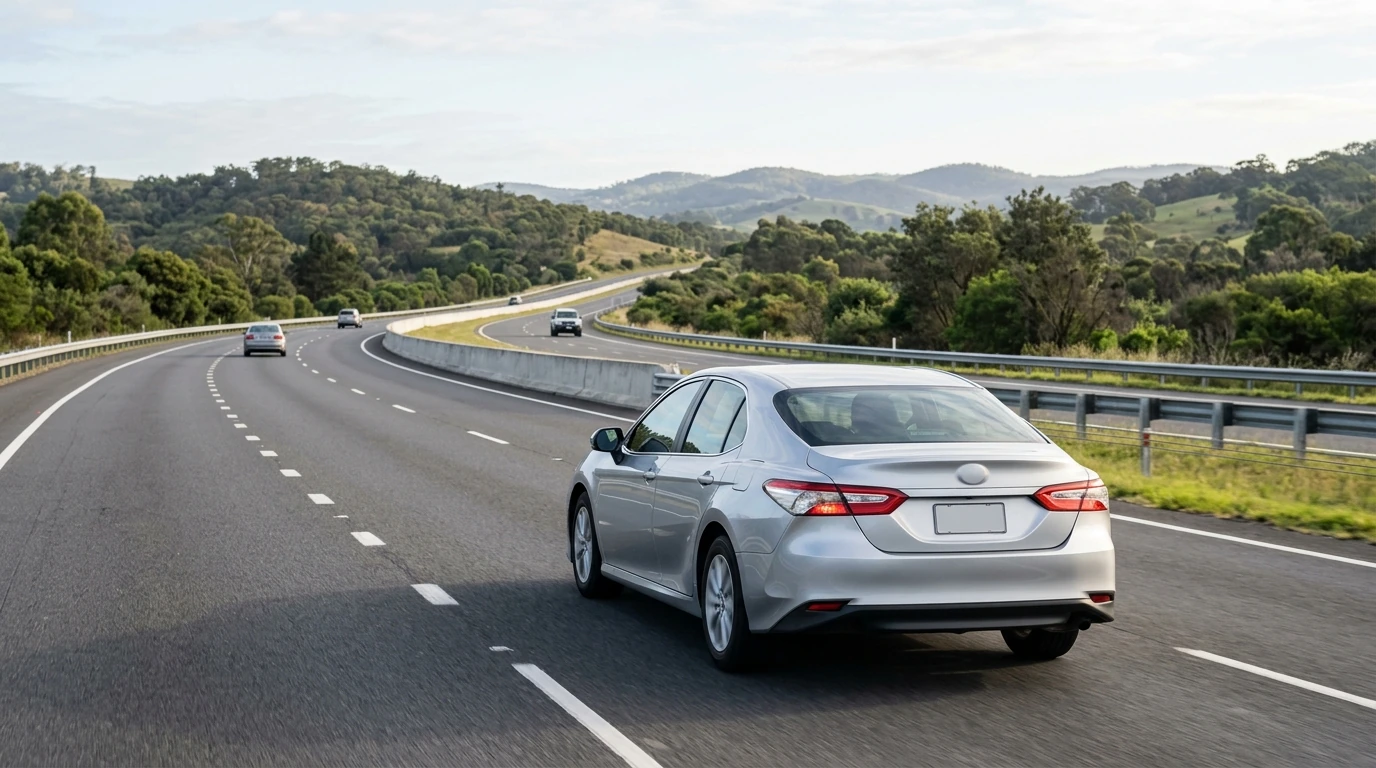
Best Cars for Frequent Highway Driving: A Smart Buying Plan for Long Commutes & Road Trips
Highway miles feel easy—until the wrong car turns them into noise, fatigue, and constant fuel stops. If you’re regularly driving at 60–80 mph, the “best” choice isn’t about trends or flashy options; it’s about the stuff you feel after 45 minutes behind the wheel. Our team put together a practical buying plan you can use to compare cars quickly and consistently, so you end up with a calmer cabin, steadier road manners, and fewer compromises over years of commuting and road trips.
What actually makes a car great on the highway
- Low-fatigue cabin: supportive seats, a natural driving position, and a quiet interior matter more than aggressive styling.
- Stable ride at speed: longer wheelbases often feel calmer; a well-tuned suspension beats a “stiff sport” setup on imperfect pavement.
- Confident passing power: focus on usable midrange acceleration (55–75 mph), not just a 0–60 number.
- Fuel range: highway-friendly efficiency plus a decent tank size reduces stop frequency.
- Driver-assistance that behaves naturally: lane centering and adaptive cruise should be smooth and predictable for hours-long use.
- Great headlights and visibility: early/late driving is common; strong, well-aimed lighting reduces strain.
A quick scoring checklist for test drives (10 minutes on a highway loop)
If you only have a short window, don’t waste it in a parking lot. Use a simple loop that includes an on-ramp merge, a few lane changes, and at least one rougher section of pavement.
- Cabin noise check: at 65–75 mph, listen for wind noise at mirrors/A-pillars and tire roar on rough asphalt.
- Seat comfort check: adjust seat height, thigh support, lumbar, and steering reach; comfort after 5–10 minutes matters most.
- Lane-keeping behavior: does it “ping-pong” between lines or center smoothly?
- Adaptive cruise smoothness: watch for harsh braking when a car cuts in or when traffic compresses.
- Straight-line stability: a good highway car tracks with light inputs; constant corrections can mean nervous tuning (or poor alignment).
- Passing response: from 55–70 mph, evaluate how quickly it accelerates without drama.
- Headlight spread (if possible): check reach and consistency at dusk or night.
Comfort, noise, and tech: where long-commute money is best spent
If you’re deciding where to spend upgrade dollars, treat the cabin as your “office chair,” not a showroom. The right comfort features pay you back every day.
Fuel costs, tires, and the real cost per mile (not just the sticker price)
Highway Buyer Comparison Table (fill this in while shopping)
| Category | What to look for | Quick test | Notes to record |
|---|---|---|---|
| Cabin noise | Low wind/tire roar at 70 mph | Drive on rough asphalt + smooth pavement | Rate 1–10; note where noise comes from |
| Seat comfort | Support over time, good lumbar, thigh support | Stay seated 10 minutes after adjustment | Any pressure points or lower-back strain? |
| Stability | Tracks straight, calm steering | Light grip at 70 mph (safe conditions) | Constant corrections? wandering? |
| Passing power | Strong 55–75 mph response | Short on-ramp merge + pass simulation | Feels effortless or strained? |
| Driver-assist | Smooth adaptive cruise + steady lane centering | Test in moderate traffic if possible | Jerky braking? ping-ponging? |
| Fuel range | Enough range to reduce stops | Estimate: (MPG × tank gallons) | Write estimated highway range |
| Lighting | Clear reach and spread | Check at dusk/night if possible | Glare, dark spots, cutoff quality |
Choosing the right type of car for your route
A step-by-step buying plan for frequent highway drivers
Tools we keep handy while shopping
If you want a streamlined, checklist-driven approach, our team built a simple eBook you can use during test drives to score noise, stability, driver-assist smoothness, and fuel range consistently across vehicles: Best Cars for Frequent Highway Driving | Smart Car Buying eBook for Long Commutes & Road Trips.
And if you use your watch to track commute time windows, reminders, or navigation prompts, a comfortable strap can make daily wear easier: Corduroy Fabric Strap for Apple Watch and milanese-magnetic-stainless-steel-band-for-apple-watch.
Helpful references (worth checking before you buy)
- FuelEconomy.gov — Official U.S. government fuel economy information
- NHTSA — 5-Star Safety Ratings
- IIHS — Vehicle safety ratings and crashworthiness evaluations
FAQ
What features reduce fatigue the most on long highway commutes?
A quiet cabin, supportive seats with real adjustability, and a stable ride reduce fatigue fastest because they cut constant strain you may not notice until you’re tired. Smooth adaptive cruise and lane centering help most when they behave predictably for hours. Good headlights and clean visibility also matter more than most people expect for early or late drives.
Are SUVs or sedans better for frequent highway driving?
Sedans often have an edge in stability, wind noise, and efficiency, which can make long highway days feel easier. SUVs can be great if you value entry height and outward visibility, but some add more wind noise at speed. The deciding factor is how calm and quiet the vehicle feels on your real highway loop.
How can a buyer compare cars quickly without missing important highway details?
Use the same short highway loop for every test drive and score the same categories each time: noise at 70 mph, seat comfort after a few minutes, straight-line stability, passing response, and how smooth the driver-assist features feel. Keeping your notes consistent prevents a single “cool feature” from distracting you from daily comfort. A checklist format helps you compare candidates fairly when you test them back-to-back.
















Leave a comment