Stop Clothes Shrinking: Fabric Wash & Dry Settings Guide
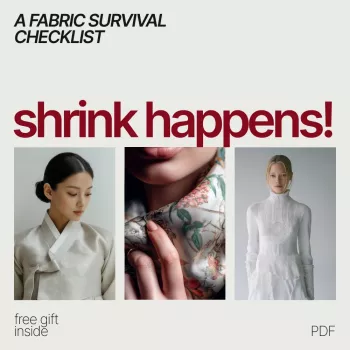
Shrink Happens: A Fabric Survival Checklist for Washing, Drying, and Keeping Clothes True to Size
Few laundry mistakes feel as permanent as pulling a favorite top from the dryer and realizing it’s suddenly “cropped.” Shrinkage is usually predictable once the fabric type, heat, agitation, and moisture are understood. Use this checklist-style guide to spot high-risk fabrics, choose safer wash settings, and build habits that keep everyday clothes, towels, and knits fitting the way they should.
The quick checklist: what makes fabric shrink
- Heat: Hot water and high dryer temperatures can tighten fibers or relax finishes that were holding size.
- Agitation: Heavy cycles and overloading increase friction, especially for knits.
- Moisture + heat combo: Most “surprise” shrink happens in the dryer, not the washer.
- Fiber type matters: Natural fibers (cotton, wool, rayon/viscose) are typically higher risk than most synthetics.
- Construction matters: Knitted fabrics tend to change dimension more than tightly woven fabrics.
- Finishes aren’t forever: “Pre-shrunk” reduces risk but doesn’t eliminate it—especially with high heat.
Fabric-by-fabric survival guide
When care labels are missing, start with the fabric and how it’s built. A chunky cotton sweatshirt behaves differently than a crisp cotton button-down, even though both are “cotton.”
- Cotton: Can shrink, especially in length; risk increases with hot washing and high-heat drying. Thicker cottons and knits (tees, sweats) often change more than crisp wovens.
- Wool: Prone to felting shrink from heat + agitation; even a warm wash can tighten fibers if movement is high.
- Rayon/viscose/modal/lyocell: Can shrink or distort; often sensitive to heat and tumbling. Shape changes are common when wet.
- Linen: Can shrink somewhat, especially initially; usually stabilizes with gentle care and lower heat drying.
- Silk: May shrink or lose shape with heat and rough agitation; gentle handling preserves drape.
- Polyester/nylon/acrylic: Generally more size-stable; can still warp or tighten under very high heat, and blends can shrink because the natural fiber component reacts.
- Denim: Many jeans shrink back toward original size after washing; fit often relaxes again with wear. Raw/unwashed denim shrinks more noticeably.
- Blends: Expect the most “unpredictable” results; the most shrink-prone fiber usually sets the risk.
Shrink risk and safer laundry settings by fabric
| Fabric | Typical shrink risk | Safer wash setting | Safer dry setting | Extra note |
|---|---|---|---|---|
| Cotton (knits/tees) | Medium–High | Cold, gentle/normal, avoid overloading | Low heat or air dry | Remove promptly; reshape seams while damp |
| Cotton (wovens/shirts) | Low–Medium | Cold or cool, normal | Low heat or line dry | Pre-shrunk helps, high heat still risks change |
| Wool | High | Cold, wool/delicate, low agitation | Flat dry (no tumble) | Heat + agitation can felt and permanently shrink |
| Rayon/Viscose | Medium–High | Cold, delicate, minimal spin | Air dry/line dry | Avoid hot water and tumbling; reshape carefully |
| Linen | Medium | Cold or cool, gentle | Low heat or line dry | Expect some initial shrink; steaming helps relax |
| Polyester | Low | Cold or warm, normal | Low–medium heat | Very high heat can distort or set wrinkles |
| Denim | Medium | Cold, inside out | Low heat or line dry | Shrinks after wash, relaxes with wear |
| Cotton-poly blends | Low–Medium | Cold, normal | Low heat | Blended items can still shrink due to cotton content |
Wash-day habits that prevent most shrinkage
- Default to cold water for everyday loads; use warm only when needed for soil removal and fabric allows it.
- Choose gentler cycles for knits, wool, and rayon; reducing agitation and spin speed protects shape.
- Avoid overloading the washer. Clothes need room to move without excessive friction (which can tighten knits and stress seams).
- Prep items to reduce abrasion: close zippers, turn knits inside out, and use mesh bags for delicates.
- Pre-treat stains instead of increasing water temperature—heat is a common trigger for shrink or distortion.
If you’re unsure what a garment’s label requires (or whether it’s even legal to omit care info), the FTC Care Labeling Rule explains the basics of what manufacturers must provide.
Drying without drama: where shrink usually happens
For wool specifically, follow fiber-first guidance like The Woolmark Company’s wool care recommendations to avoid felting and irreversible shrink.
If it already shrank: realistic fixes (and when to stop)
For deeper fabric-care standards and testing context, AATCC textile resources are a helpful reference point.
A printable checklist for laundry rooms and sewing spaces
- Want a ready-to-use one-pager? Keep Shrink Happens! A Fabric Survival Checklist (digital download) near the washer for quick settings and fabric risk cues.
- Don’t forget accessories: Fabric and leather items also benefit from heat avoidance—try the Corduroy Fabric Strap for Apple Watch and keep it out of hot dryers and direct heat.
- Leather care reminder: If you rotate bands, the premium-leather-strap-for-apple-watch-49mm-45mm-44mm-41mm-40mm should be cleaned gently and never heat-dried, since heat can stiffen and warp leather.
FAQ
Which fabrics shrink the most in the wash?
Wool is the highest risk because heat plus agitation can cause felting and permanent shrink. Cotton knits and rayon/viscose are also common culprits, especially when they’re washed warm and then tumble-dried. Blends can still shrink if they contain a shrink-prone fiber.
Does cold water completely prevent shrinkage?
No—cold water reduces the risk, but dryer heat and over-drying are still major causes of shrink. For high-risk fabrics, pair cold washing with low-heat drying or air drying to keep sizing more stable.
What does “pre-shrunk” mean on a clothing label?
“Pre-shrunk” means the fabric was treated to reduce future shrinkage, not eliminate it. High heat and repeated tumble drying can still change size over time, especially for cotton and knit construction.















Leave a comment