Hands-Free Porcelain Smart Bidet Toilet With Heated Seat
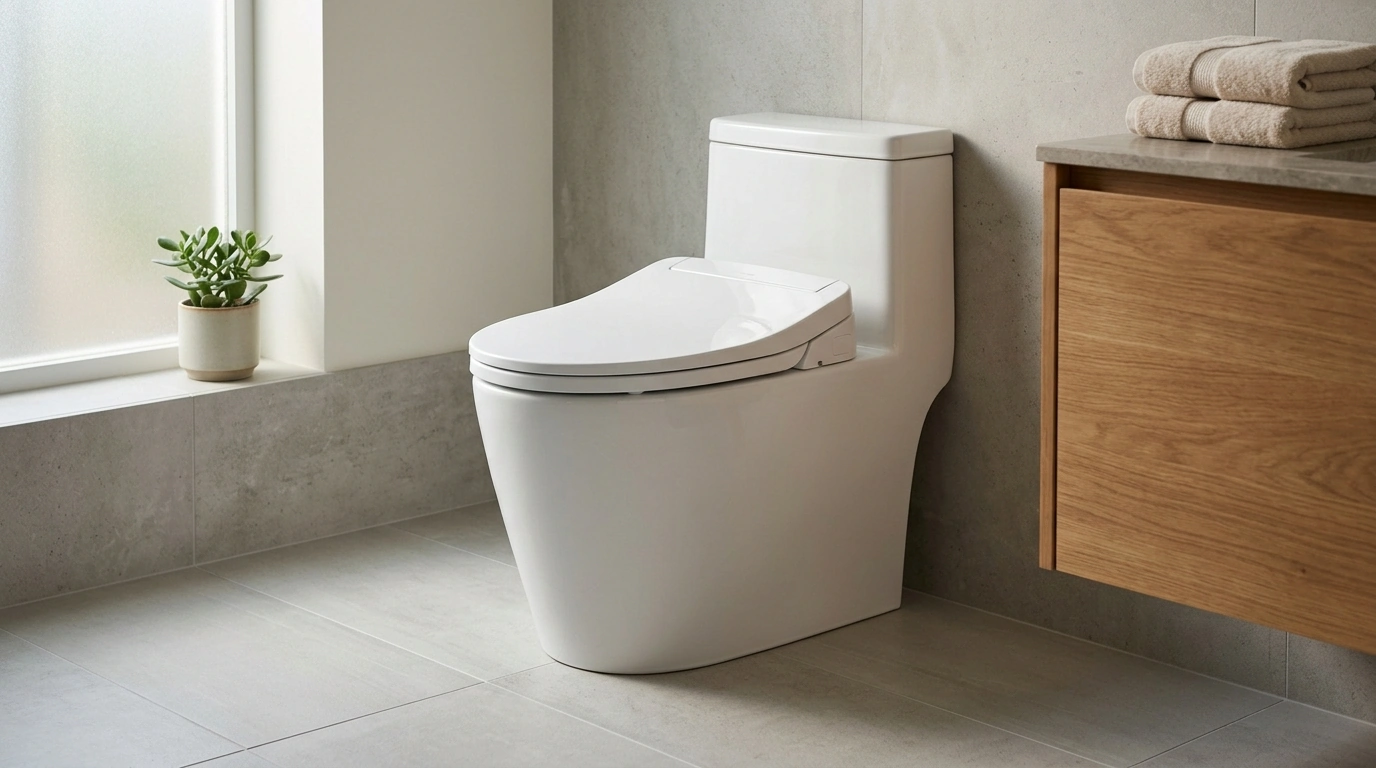
Smart Automatic Flush Porcelain Bidet Toilet Bowl with Heated Seat: Comfort, Hygiene, and Hands‑Free Convenience
A smart porcelain bidet toilet keeps the familiar strength and easy-clean look of a classic porcelain bowl, then upgrades the daily routine with features that feel instantly noticeable: automatic flushing, a heated seat, and bidet washing that reduces mess and improves personal hygiene. If the goal is a bathroom that feels cleaner, calmer, and more modern—without tearing everything out—this type of fixture can be a high-impact change.
This guide covers what these toilets add beyond a standard bowl, which features matter most, what to measure before ordering, and how to care for a porcelain smart toilet over time.
What This Smart Porcelain Bidet Toilet Adds to a Standard Bathroom
- Automatic flushing support for a cleaner, touch-free experience after use
- Heated seat comfort for colder seasons and drafty bathrooms
- Integrated bidet washing to reduce reliance on toilet paper and improve personal cleanliness
- Porcelain bowl construction for a classic look and easy wipe-down maintenance
- A modern, streamlined profile that can visually update the room without a full remodel
Porcelain matters here: it tends to resist staining and is familiar to clean, while the “smart” elements focus on comfort, convenience, and reducing the number of surfaces you touch. In busy households, touch-free habits can support better overall hygiene; the CDC highlights how reducing contact with contaminated surfaces and practicing good hand hygiene helps limit germ spread.
Key Features to Look For Before Buying
Not every smart bidet toilet is the same. Some models lean heavily into comfort (more temperature options, quieter mechanisms), while others emphasize automation (more sensor behaviors and hands-free functions). Prioritize the features that will be used daily.
- Wash options: rear wash and feminine wash modes, plus adjustable water pressure and nozzle positioning
- Water temperature control: multiple levels and stable heating for consistent comfort
- Drying features: warm air dryer settings (if included) to minimize paper use
- Automatic functions: auto-flush logic, seat sensors, and optional lid open/close behavior
- Night usability: soft lighting or illuminated controls to avoid harsh overhead lights
- Noise and comfort: gentle flushing and quiet seat mechanisms for shared homes
Quick checklist of features and what they solve
| Feature | Why it matters | What to confirm before ordering |
|---|---|---|
| Automatic flush | Reduces touch points and lingering odor | Sensor type, flush strength, and manual backup option |
| Heated seat | Comfort in cold climates and early mornings | Temperature range and energy-saving mode |
| Adjustable spray | More personalized cleaning for different users | Pressure levels, nozzle position adjustment, and self-cleaning nozzle |
| Warm water | Prevents cold shock and improves comfort | Heater type and recovery time between uses |
| Deodorization/filtration (if available) | Helps keep the bathroom fresher | Filter type, replacement frequency, and availability |
| Safety protections | Prevents overheating and electrical issues | GFCI requirement, overheat protection, IP rating if listed |
Comfort and Hygiene Benefits in Daily Use
- Bidet washing can improve cleanliness after workouts, during hot weather, or for users with sensitive skin
- A warm seat reduces discomfort and encourages consistent use for guests unfamiliar with bidets
- Hands-free flushing can reduce the spread of germs on shared bathroom surfaces
- Less toilet paper use can be gentler on plumbing and may reduce irritation for some users
- A consistent routine—wash, optional dry, auto-flush—helps keep the area tidier overall
For many households, the biggest “quality of life” change is the combination of warm seat + wash + hands-free flush. It turns the bathroom experience into something more predictable and less fussy—especially helpful when kids, guests, or multiple adults share one bath.
Installation Planning: What to Measure and Prepare
Smart toilets are still toilets first—so the practical measurements matter. A few checks up front can prevent last-minute surprises.
- Rough-in measurement: confirm the toilet rough-in distance matches the bathroom’s existing plumbing layout
- Power access: most smart toilets need a nearby electrical outlet; plan for a GFCI-protected outlet where required
- Water supply: verify the shutoff valve is accessible and that the supply line can be connected cleanly
- Floor and flange condition: inspect for wobble, damaged flange, or uneven flooring that could cause leaks
- Space and clearance: check door swing, knee clearance, and side clearance for comfortable seating
- Professional help: consider a licensed plumber/electrician if relocating power or addressing old plumbing
Energy, Water Use, and Practical Ownership Costs
Water use depends heavily on the toilet’s flushing design and settings. For broader guidance on water-efficient fixtures and reducing household water consumption, the EPA’s WaterSense program is a useful reference point when comparing bathroom upgrades.
Cleaning and Maintenance for a Porcelain Smart Toilet
Who This Toilet Is Best For
Product Page and What to Confirm Before Checkout
For a streamlined upgrade focused on hands-free convenience and daily comfort, see the Smart Automatic Flush Porcelain Bidet Toilet Bowl with Heated Seat. If you’re also shopping other essentials around the home, the store carries items like the Corduroy Fabric Strap for Apple Watch as well.
FAQ
Does a smart bidet toilet need an electrical outlet?
Most models require power for the heated seat, warm water heating, sensors, and controls, so a nearby outlet is typically necessary. In many bathrooms, a GFCI-protected outlet is required by local code.
What happens if the power goes out—can it still flush?
Some smart toilets include a manual flush option or a backup method, while others may have limited functionality during an outage. Confirm the specific backup behavior and any manual override details before purchasing.
Is porcelain easy to maintain compared with other materials?
Porcelain is generally easy to wipe down and resists staining, making routine cleaning straightforward. Use non-abrasive cleaners and avoid harsh chemicals or soaking around electronic components.













Leave a comment