Fashion Anxiety: Calm Closet Strategies to Find Your Style
Understanding Fashion Anxiety: Overcoming Wardrobe Woes and Finding Personal Style
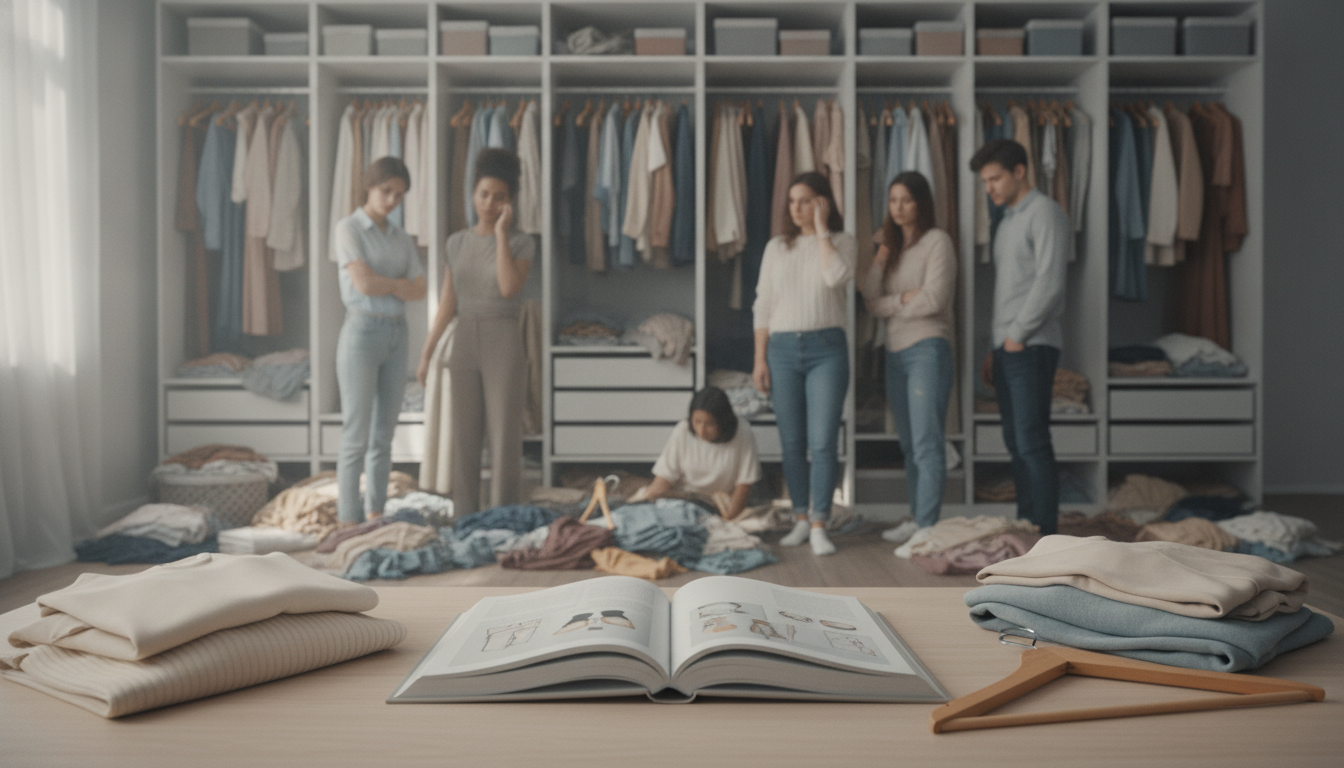
Fashion anxiety can show up as decision paralysis, frustration in the fitting room, or a closet full of clothes that still feels like “nothing to wear.” The good news: personal style isn’t a talent reserved for a few—it’s a set of choices that can be clarified with simple tools, kinder self-talk, and a plan for getting dressed that fits real life. Stress can also amplify the moment; when the body is tense, even small decisions can feel big, which is why it helps to treat getting dressed as a supportive routine rather than a test of worth (see the American Psychological Association’s overview of how stress affects the body).
What Fashion Anxiety Looks Like (and Why It Happens)
Fashion anxiety often isn’t about fashion at all—it’s about pressure, uncertainty, and a system that doesn’t match your life. Common signals include outfit changes that spiral, fear of being judged, discomfort in photos, avoiding events because of clothes, and impulse purchases followed by regret. Typical triggers include shifting body size, a new job or life role, social media comparison, unclear dress codes, sensory discomfort, and budget pressure. The hidden problem is usually a mismatch between lifestyle needs and what the closet actually supports.
A helpful reframe: anxiety is information. It’s a signal that something in the system—clothes, expectations, time, or confidence—needs adjusting. When you respond with a plan (instead of self-criticism), the stress often drops quickly.
Quick Check: Trigger → What It Usually Means → Helpful Next Step
| Trigger | What it often points to | Try this next |
|---|---|---|
| “Nothing feels like me.” | Style identity is unclear or outdated | Pick 3 style words (e.g., polished, relaxed, creative) and test outfits against them |
| Outfits feel fine at home but not outside | Context mismatch (weather, walking, seating, lighting) | Do a “real-life” outfit trial: sit, walk, reach, and check comfort |
| Shopping feels urgent before events | Planning gap + time pressure | Build 2 go-to event formulas (casual + dressy) and keep them ready |
| Strong dislike of certain fabrics or fits | Sensory needs are being ignored | List non-negotiables (waistband, sleeve length, fabric) before buying |
| Regret after purchases | Buying for fantasy life or trend pressure | Use a 24-hour pause and a “3 outfits” rule before keeping items |
Reset the Mindset: From “Perfect Outfit” to “Supportive Outfit”
Perfectionism is gasoline for fashion anxiety. A more useful goal is a supportive outfit—something that helps you move through your day with fewer interruptions and more ease. That means prioritizing movement, temperature, confidence, and appropriateness over “flawless.”
Try swapping harsh language for practical language: instead of “I look bad,” use “This cut isn’t working for my comfort today.” It keeps the focus on the garment, not your body. It also helps to normalize outfit repetition; reducing decision fatigue often increases confidence because you start trusting what works.
If comparison is a trigger, curate your feeds toward varied bodies, realistic styling, and repeatable outfit formulas. And when you want to try something new, practice gentle exposure: wear slightly new combinations in low-stakes situations before you debut them at a high-stakes event. For stress skills that pair well with this approach, the National Institute of Mental Health’s coping guidance and Harvard Health’s mindfulness overview can help you build calmer default responses.
A Simple Closet Audit That Reduces Stress Fast
Start with a “wear it tomorrow?” test. If you’d happily wear it in the next 24 hours, it’s a keeper for now. Then sort everything into four piles:
- Love + Wear
- Like but Needs Fixing (tailoring, repair, styling tweak)
- Seasonal/Occasion
- Let Go
Next, check the basics. Underwear, bras, socks, and comfortable foundation layers can change how everything else sits and feels—often more than a new top would. Identify friction points: pinching waistbands, scratchy fabrics, shoes that limit walking, tops that require constant adjusting. Finally, build a mini-capsule for the next 7 days based on your actual schedule, not idealized plans.
If having a structured plan helps you follow through, keep a reference guide handy, such as Understanding Fashion Anxiety: A Guide to Overcoming Wardrobe Woes & Finding Your Personal Style.
Find Personal Style Using Three Anchors: Lifestyle, Comfort, and Visual Preferences
Personal style becomes clearer when it’s built on three anchors:
Accessories can act like style “training wheels”—a repeatable element that makes outfits feel intentional. If watches are part of your daily uniform, a tactile option like the Corduroy Fabric Strap for Apple Watch can add warmth, while a sleek metal option like the Milanese Magnetic Stainless Steel Band for Apple Watch can sharpen a simple look.
Outfit Formulas That Replace Guesswork
Shopping Without Regret: A Calm, Repeatable Method
Small Upgrades That Boost Confidence (Without Replacing the Whole Closet)
A Practical Guide for Building Confidence Day by Day
FAQ
What causes fashion anxiety even with a full closet?
It’s often caused by a mismatch between your lifestyle and what your clothes can actually do, plus decision fatigue, body changes, sensory discomfort, and comparison pressure. A full closet isn’t the same as a functional one with repeatable outfits.
How can personal style be found without buying a whole new wardrobe?
Use three style words, build a few outfit formulas, and create a mini-capsule for your real week. Tailoring “almost” pieces and filling one or two specific gaps usually creates more change than starting over.
What should be done when getting dressed triggers panic before an event?
Pause for a slow breath, then choose a known outfit formula and prioritize comfort and mobility. Pack the outfit the night before when possible, and keep a simple backup option ready so you’re not making high-stakes decisions at the last minute.









Leave a comment