Yoga as a Lifestyle Hobby: Easy Routines for Beginners
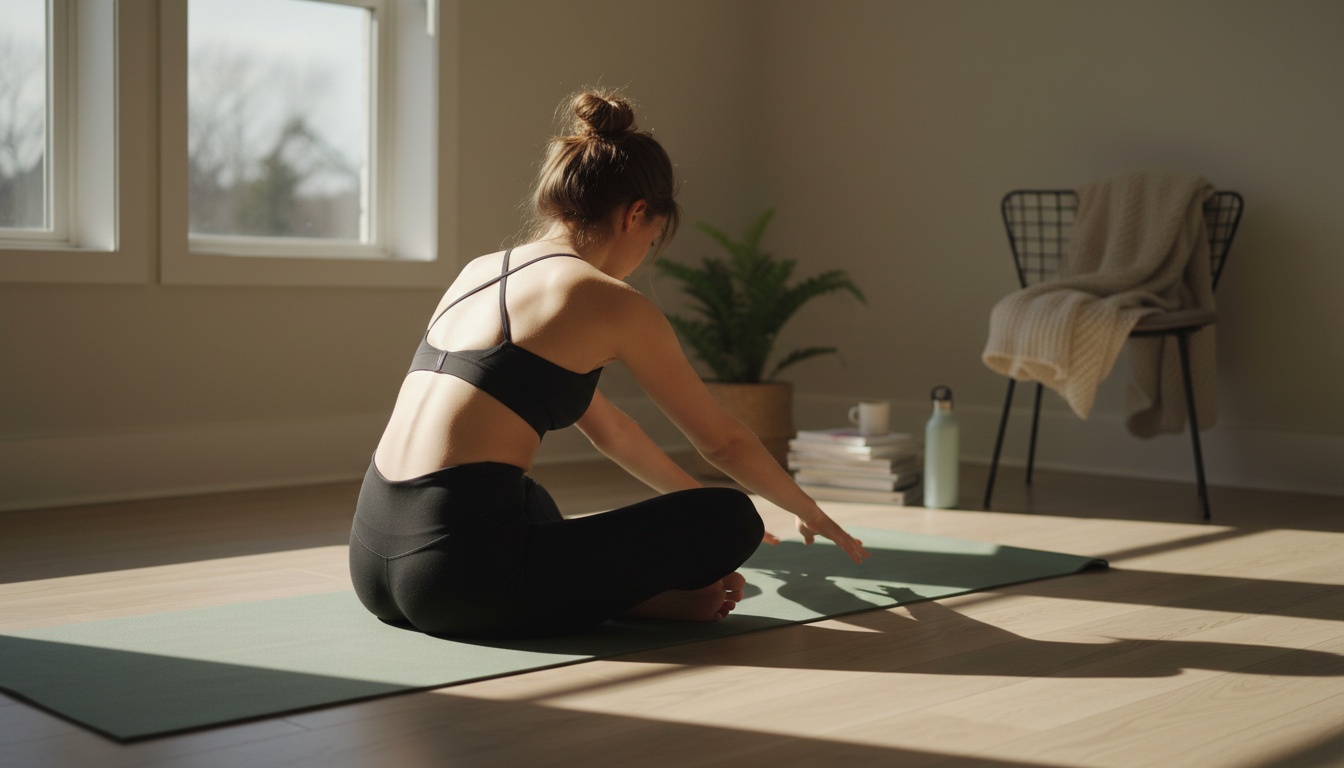
Yoga as a Lifestyle Hobby: Gentle, Beginner-Friendly Ways to Build Simple Routines
Yoga can be a calming, practical hobby that fits into real schedules—short sessions on busy days, longer practices on weekends, and small habits that support energy, mobility, and stress management. The goal isn’t to “perform” yoga; it’s to create repeatable moments that help the body feel a little more open and the mind a little less crowded.
For a helpful, low-pressure companion you can return to whenever you need structure, see Yoga as a Lifestyle Hobby – A Gentle, Beginner-Friendly Guide to Building Yoga Routines as a Hobby for Everyday Life.
What It Means to Treat Yoga as a Hobby (Not a Performance)
A hobby mindset keeps yoga sustainable. Instead of chasing intensity, aim for consistency—small sessions you can repeat without dreading them. Five to ten minutes done often will usually serve you better than an ambitious routine that only happens once in a while.
Think of yoga as daily maintenance: mobility for stiff hips and shoulders, breath awareness when stress runs high, posture resets after long sitting, and gentle recovery after workouts or busy days. Progress shows up as comfort and awareness—feeling your feet more clearly in standing poses, breathing more smoothly during a stretch, or noticing you’re less tense in your jaw and shoulders.
Pick a “minimum practice” that still counts on low-energy days. That might be two poses and a minute of breathing. When yoga is easy to start, it’s easier to keep.
Getting Started Gently: Space, Clothing, and Timing
You don’t need a dedicated studio. A repeatable corner of a room is enough—just make sure you can extend your arms and step back comfortably without bumping furniture. Comfortable clothing that allows bending and overhead reach is ideal. Grip socks can help if your feet feel unstable, but they’re optional.
Timing matters more than motivation. Many beginners enjoy mornings for stiffness relief, afternoons for a mental reset, and evenings for downshifting before bed. Choose a time that matches your natural energy and your actual schedule.
Simple setup checklist for a beginner yoga hobby
| Item | Why it helps | Beginner-friendly options |
|---|---|---|
| Mat or non-slip surface | Stability and confidence in standing poses | Budget mat; carpet with a towel |
| Folded blanket or pillow | Comfort for knees/hips; support in seated poses | Couch throw; firm pillow |
| Two blocks (optional) | Reduces strain; improves alignment and reach | Hardcover books (stable, similar height) |
| Strap or belt (optional) | Assists hamstrings/shoulders without pulling | Bathrobe belt; long scarf |
| Timer or gentle playlist | Makes short sessions feel complete | Phone timer; calm music |
Safety and Comfort: How to Practice Without Overdoing It
Yoga should feel steady and supportive. Use a simple “two-point rule”: if discomfort rises above mild and steady—especially if it spikes or makes you hold your breath—back out, reduce the range of motion, or switch poses.
Avoid pushing into sharp pain, numbness, tingling, or joint pinching (common hotspots include knees, wrists, neck, and low back). Prioritize neutral alignment: long spine, relaxed jaw, and a breath that stays smooth enough to speak a short sentence.
If wrists complain, use fists or forearms for weight-bearing shapes. If knees are sensitive, add padding and reduce depth in lunges. If the low back feels “grabby,” hinge at the hips and bend the knees in forward folds. If you’re pregnant, recovering from injury, or managing a chronic condition, consider guidance from a qualified professional. For a clear overview of benefits and cautions, see NCCIH’s yoga information and Mayo Clinic’s yoga benefits and risks.
Core Building Blocks: A Beginner Set of Poses and Skills
Start with breath. Try slow nasal breathing, keeping it quiet and even. If your breath gets choppy, shorten the hold or choose a gentler option.
Foundational shapes give you “lego pieces” you can assemble into a routine: Mountain, Forward Fold (with bent knees), Half Lift, Low Lunge, Child’s Pose, Downward Dog (with bent knees), Cat–Cow, Bridge, Supine Twist, and Savasana.
Three Gentle Routines to Use All Week (10, 20, and 30 Minutes)
10-minute reset (busy day)
20-minute mobility (daily maintenance)
30-minute unwind (evening)
How to Build a Weekly Habit That Sticks
Choosing Guidance: Videos, Classes, or a Simple Book
If you prefer less screen time, a short guide can make practice feel simple and repeatable. One option is Yoga as a Lifestyle Hobby – A Gentle, Beginner-Friendly Guide to Building Yoga Routines as a Hobby for Everyday Life, designed to support consistency without pressure.
Small Lifestyle Add-Ons That Pair Naturally with Yoga
For sleep support, try a short evening routine with gentle twists and longer-exhale breathing. If you like tracking minutes or using a timer on your wrist, a soft, comfortable watch band can make daily reminders feel more pleasant—consider the Corduroy Fabric Strap for Apple Watch for a cozy, casual feel during downtime.
FAQ
How often should a beginner practice yoga as a hobby?
Two to four sessions per week is a solid start, especially if each session feels easy to complete. Use a 5–10 minute minimum practice to build consistency, then gradually increase duration before intensity.
Is it okay to do the same yoga routine every day?
Yes—repeating a gentle routine builds confidence, coordination, and familiarity with key poses. To stay balanced, rotate your emphasis (hips/spine/shoulders) and include easier restorative days when your body feels tired.
What should be avoided in beginner yoga to prevent strain?
Avoid sharp pain, numbness, tingling, or joint pinching, and don’t force hamstring stretches or deep backbends. Common fixes are bending the knees, using blocks or a strap, and keeping knees down in weight-bearing poses.













Leave a comment