Build Patience Through Hobbies: A Practical Weekly Plan
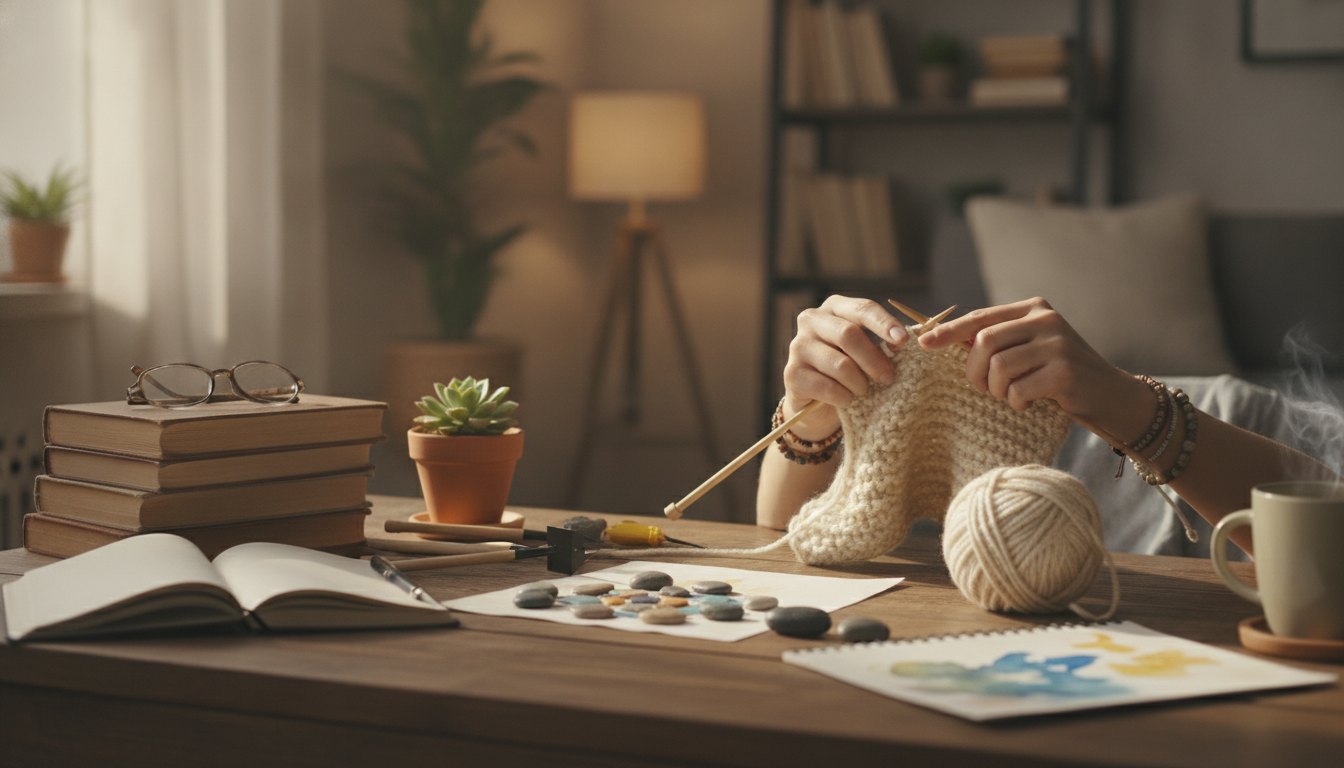
Building patience one hobby at a time
Patience is a skill that grows through repeated, low-stakes practice—especially when the practice is enjoyable. The right hobby quietly trains waiting, steady attention, and calm recovery from mistakes because progress shows up in small increments instead of instant wins. Over time, those increments add up to a more mindful way of working and a more stable sense of focus in everyday life.
Mindfulness research consistently links attention training and stress reduction with simple, repeatable practices. If you want a science-backed overview of mindfulness benefits, start with the American Psychological Association’s summary, or explore practical guidance from Harvard Health Publishing.
Why hobbies are one of the fastest ways to train patience
Hobbies work because they deliver “delayed reward” by design: you take many small steps before you get a finished result. That naturally teaches persistence without requiring willpower speeches or high-pressure goals.
They also create a low-stakes environment where it’s easier to notice frustration early—tight shoulders, rushing, negative self-talk—and reset before it turns into quitting. Repetition builds attention control, too: every time you return to the same task, you practice starting, sustaining effort, and finishing cleanly. And when mistakes happen (because they always do), patient hobbies treat errors as information: you troubleshoot, repair, and try again, which normalizes learning without drama.
What “patience-building” hobbies have in common
The most effective patience-building hobbies share a handful of traits. They offer clear feedback loops (you can see what worked), gentle constraints (patterns, techniques, or rules that slow you down), and a natural rhythm of warm-up, focused work, brief pause, and review. Most importantly, they include a “restart” option—another attempt, another row, another sketch—so you can practice recovery instead of fearing failure.
Hobby traits that strengthen patience (and what they train)
| Trait | What it trains | Simple starting point |
|---|---|---|
| Step-by-step process | Staying with the next small action | Choose a beginner pattern or tutorial and follow it exactly once |
| Visible progress over time | Delayed gratification | Take a photo or short note after each session |
| Error-friendly iteration | Recovery after mistakes | Plan a 2-minute “fix it” window before quitting |
| Attention to detail | Sustained focus | Work in 10–20 minute blocks with a short break |
| Steady pace over speed | Impulse control | Set a “slow is smooth” rule for the first week |
Hobbies that reliably build patience (choose one to start)
If you want the quickest path, pick one hobby and stick with it long enough to feel the learning curve soften. These options are reliable because they combine repetition, feedback, and easy “restarts.”
- Fiber crafts (knitting, crochet, embroidery): Repetitive motion helps settle your nervous system while patterns train sequencing and careful counting.
- Jigsaw puzzles and logic puzzles: You get incremental wins that build persistence and frustration tolerance without requiring perfection.
- Gardening or indoor plants: Progress depends on consistent care, observation, and waiting—an excellent antidote to urgency.
- Cooking and baking: Timing, preparation, and follow-through build process patience (especially when you follow a recipe exactly once before tweaking).
- Drawing, watercolor, or calligraphy: Visible feedback makes it easier to improve session by session, and mistakes become studies instead of failures.
- Musical instruments: Fundamentals pay off slowly, which builds tolerance for gradual progress and strengthens focus through repetition.
- Model building (LEGO, miniatures, painting): Detail work rewards calm precision and teaches you to rework without spiraling.
A simple weekly routine to turn a hobby into mindfulness practice
The goal isn’t to “optimize” your free time—it’s to create a gentle structure that makes calm attention more likely. Try this routine three to five times per week:
- Settle-in minute: One minute of slower breathing and noticing tension in your jaw, shoulders, and hands before you touch your tools.
- One micro-goal: “Finish 10 rows,” “practice this chord switch,” “complete one edge section,” or “sketch five circles.” Small goals reduce pressure and keep you honest about pacing.
- Timed focus blocks: Work 15–25 minutes, rest 2–5 minutes. Stop while you still feel okay, not only when you’re worn out.
- One-sentence reflection: Write what improved, what was hard, and one thing to try next time.
- Tidy reset: Put tools away so the next start is easy. Easy starts build consistency.
Common frustration moments—and how to keep going
Making patience stick: choosing a hobby that matches your personality
For additional mindfulness guidance, the NHS mindfulness overview includes simple ways to bring awareness into everyday routines.
A guided option for building patience through hobbies (digital download)
If decision fatigue is getting in the way, a structured guide can help by narrowing choices and giving you repeatable session plans. Building Patience One Hobby at a Time (digital download) is designed to be revisited—so prompts and checklists become automatic habits instead of another thing to “figure out.”
Helpful add-ons for timed focus blocks
- Corduroy Fabric Strap for Apple Watch
- milanese-magnetic-stainless-steel-band-for-apple-watch
- premium-leather-strap-for-apple-watch-49mm-45mm-44mm-41mm-40mm
FAQ
How long does it take to notice more patience from a hobby?
With consistent sessions (about 3–5 times per week), many people notice changes in 2–4 weeks. Early signs include fewer rage-quits, easier restarts, and a calmer response to small mistakes.
What if a hobby makes frustration worse instead of better?
Lower the difficulty, shorten sessions, and add a quick reset routine (pause, breathe, do one corrective step). If you still feel stuck after a week of simplifying, switch to a more error-tolerant hobby so you can practice recovery without constant overwhelm.
Which hobby is best for improving focus if attention keeps drifting?
Choose hobbies with short, clear endpoints—like puzzles, drawing studies, or cooking tasks—and use timed focus blocks to reduce wandering. Low setup and consistent repetition matter more than picking the “perfect” hobby.













Leave a comment