Home Savings Checklist: Quick Wins to Cut Bills Fast
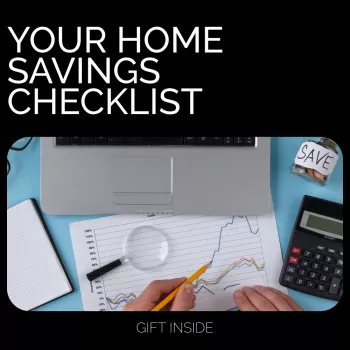
Your Home Savings Checklist: A Simple Guide to Cutting Expenses & Boosting Savings
Small, repeatable changes at home can free up meaningful cash each month without feeling like constant sacrifice. This guide breaks savings into simple checkboxes—starting with quick wins, then moving to bigger, longer-lasting improvements—so expenses drop while savings become automatic.
Start With a 30-Minute Home Money Snapshot
A monthly “money snapshot” keeps you from guessing. Pick one day and treat it like a quick home checkup: you’re looking for patterns, not perfection.
- Pick one date each month to review bills, bank statements, and receipts (a repeating calendar reminder helps).
- List fixed expenses (rent/mortgage, insurance, internet) and variable expenses (groceries, utilities, fuel).
- Circle the top 3 categories by spending; these are the best targets for fast results.
- Set one clear goal for the next 30 days: reduce one category by a specific dollar amount.
Keep the goal simple—“cut $40 from groceries” is easier to execute than “spend less.” If you want a ready-to-print version that turns this into a routine, use Your Home Savings Checklist: A Simple Guide to Cutting Expenses & Boosting Savings.
Quick Wins That Don’t Feel Like Cutting Back
These changes are mostly one-and-done, meaning you benefit month after month without adding ongoing effort.
- Turn on autopay for critical bills to avoid late fees and interest charges.
- Negotiate or re-shop one service: internet, mobile plan, or insurance (ask for retention deals and current promos).
- Cancel one unused subscription and pause another for 30 days to confirm it’s truly needed.
- Switch to generic/store-brand staples for a month and keep only the swaps no one notices.
When negotiating, be specific: “I’m considering switching—what’s the best current price you can offer for the same plan?” Then set a reminder to re-check in 6–12 months.
Utilities Checklist: Lower Bills Without Major Renovations
Utilities often hide “silent leaks” in your budget. You don’t need a remodel to see improvement—small efficiency habits can add up, especially over a full season. For more energy-saving ideas by region and home type, browse the U.S. Department of Energy’s resource hub at Energy Saver.
- Heating and cooling: adjust the thermostat a few degrees and use fans/curtains strategically during peak hours.
- Seal drafts: use inexpensive weatherstripping and door sweeps; check around windows and exterior doors.
- Lighting: replace the most-used bulbs with LEDs first (kitchen, living room, exterior porch lights).
- Water savings: fix drips, shorten showers slightly, and run full loads for laundry and dishes.
- Power management: use power strips for electronics and turn off “always-on” devices when not needed.
| Area | Action | How Often | What to Track |
|---|---|---|---|
| Heating/Cooling | Adjust thermostat and use curtains/fans | Weekly | Electric/gas usage vs. last month |
| Air Leaks | Check doors/windows; apply weatherstripping | Monthly | Draft spots found/fixed |
| Lighting | Swap 3–5 high-use bulbs to LEDs | Monthly | Number of bulbs replaced |
| Water | Fix leaks; run full loads; reduce hot water use | Weekly | Water bill and hot water frequency |
| Electronics | Use power strips; unplug idle chargers | Weekly | Devices moved to power strips |
Grocery and Household Spending: The “Plan Once, Save All Week” Method
Groceries feel “unavoidable,” which is exactly why small controls here can produce dependable results. The goal is fewer trips, less waste, and fewer impulse buys.
Subscriptions, Memberships, and Recurring Charges Audit
Recurring charges are where budgets quietly drift. A fast audit helps you reclaim money without changing your daily routine. The FTC has consumer guidance on subscription and negative option practices at consumer.ftc.gov.
| Charge | Cost | Last Used | Decision | Next Review Date |
|---|---|---|---|---|
| Streaming/Apps | $__ | ____ | Keep / Cancel / Pause | ____ |
| Gym/Class | $__ | ____ | Keep / Cancel / Downgrade | ____ |
| Delivery Membership | $__ | ____ | Keep / Cancel | ____ |
| Cloud Storage/Software | $__ | ____ | Keep / Switch / Cancel | ____ |
Home Maintenance That Prevents Bigger Bills
Turn Savings Into a System (So It Sticks)
Cutting costs once helps. Turning it into a system is what keeps your progress intact when life gets busy. For a straightforward approach to budgeting and savings habits, the CFPB’s consumer resources are helpful at consumerfinance.gov.
Printable Checklist Option for Faster Follow-Through
For a ready-made version, grab Your Home Savings Checklist: A Simple Guide to Cutting Expenses & Boosting Savings and keep it with your bills or budget notebook.
Small Spending Swap: Buy Fewer, Keep Longer
One underrated way to protect your budget is to reduce “replacement shopping”—the small purchases that repeat because the first item wasn’t quite right. For example, instead of buying multiple cheap accessories over time, choosing one durable option you actually wear can lower long-term spend. If you’re refreshing a wearable accessory, consider a single strap you’ll use daily, such as the Premium Leather Strap for Apple Watch or the Corduroy Fabric Strap for Apple Watch, then pause browsing for the next 60 days.
FAQ
What’s the fastest way to start saving money at home?
Reduce one bill (like internet or insurance), cancel one unused subscription, and set a small automatic transfer to savings. Quick wins create momentum and make bigger changes easier to stick with.
How much can utilities realistically be reduced without major upgrades?
Many households can trim a noticeable amount through thermostat adjustments, sealing drafts, swapping a few high-use bulbs to LEDs, and tightening water-use habits. The exact result depends on climate, home size, and local rates.
How can savings stay consistent when costs fluctuate month to month?
Use a baseline budget with a rolling average, keep a small automatic savings transfer steady, and rely on sinking funds for irregular expenses. That way, higher-cost months don’t undo your progress.















Leave a comment