Taming Toddler Tantrums: Calm Scripts & Routines
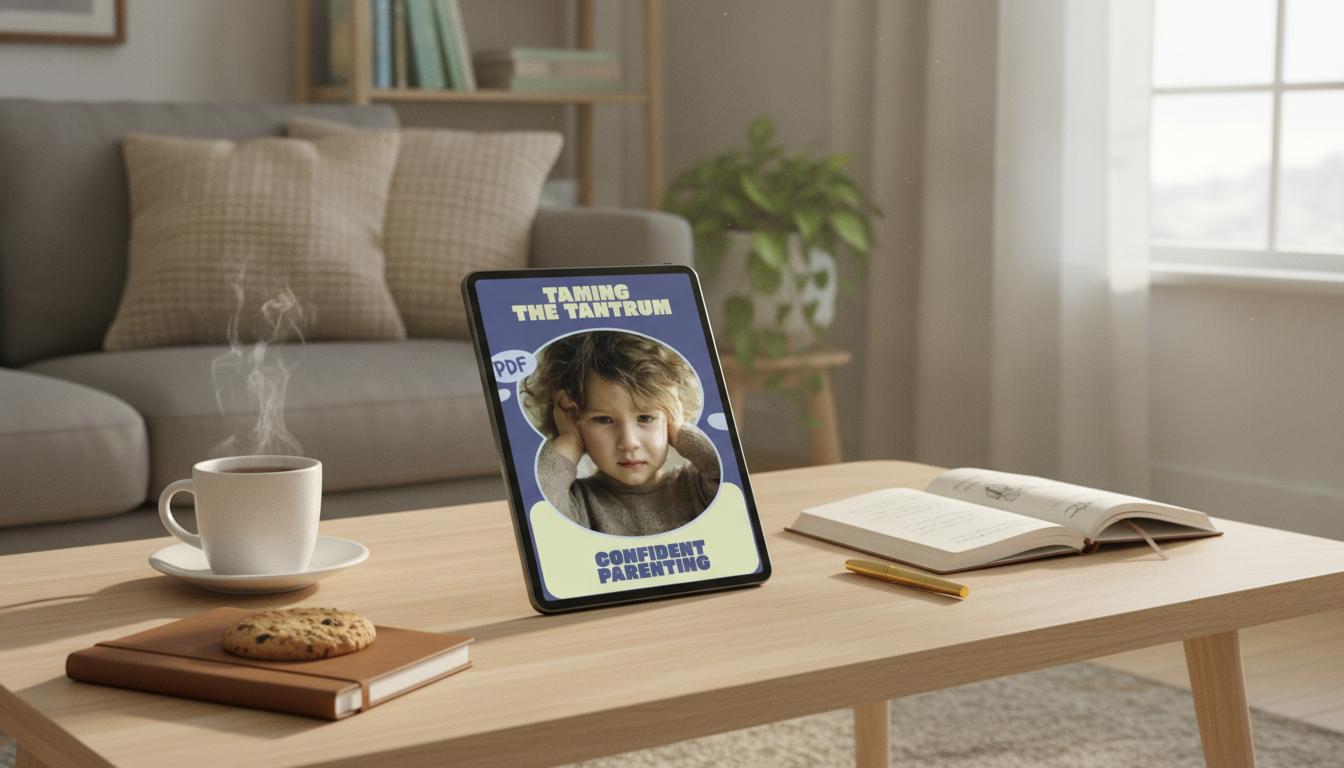
Confident Parenting Starts with Understanding Tantrums
Tantrums can feel unpredictable, loud, and exhausting—but they’re also a window into a child’s developing brain, communication skills, and need for connection. With the right routines and responses, meltdowns become more manageable, shorter, and less frequent. This guide shares practical ways to prevent common triggers, stay steady in the moment, and build emotional regulation skills that last—without relying on harsh punishments or constant bargaining.
Why Tantrums Happen (and What They’re Trying to Say)
Most tantrums show up when a child’s internal experience outpaces their skills. They may feel intense anger, disappointment, or frustration, but not yet have the language, patience, or problem-solving ability to express it effectively.
- Common drivers: hunger, fatigue, overstimulation, transitions, frustration, perceived unfairness, or a strong need for autonomy.
- Not “bad behavior” by default: many outbursts are stress responses that need guidance and boundaries—not shame.
- Different situations need different strategies: a goal-driven tantrum (trying to get a specific outcome) often improves when you calmly hold a limit; a true meltdown (overloaded nervous system) improves when you reduce demands and focus on regulation and safety.
If you’re unsure which is which, look for cues: Are they still negotiating and tracking your reaction (more goal-driven), or are they overwhelmed, disorganized, and unable to use skills they typically can (more meltdown)?
Prevention That Actually Works: Set the Day Up for Success
Prevention isn’t about controlling every emotion—it’s about reducing predictable strain so your child has more capacity for self-control.
- Build predictable anchors: consistent sleep/wake routines, regular snacks, and simple transition cues reduce surprises that trigger dysregulation.
- Use proactive choices: offer two acceptable options to support independence without giving away the boundary (for example, “Do you want to hop or tiptoe to the car?”).
- Make expectations visible: short, positive rules (“Feet on the floor,” “Gentle hands”) repeated before high-risk moments like stores, playdates, or restaurants.
- Spot early warning signs: faster breathing, clenched fists, whining, repetitive “no,” or frantic movement—intervene before escalation.
- Create a calm-down space: not a punishment corner, but a safe area with soft items, sensory tools, and simple visuals for feelings.
Evidence-based parenting guidance from the CDC Essentials for Parenting supports routines, clear expectations, and calm responses as core ingredients for improving child behavior over time.
In-the-Moment Calm: A Simple Response Loop to Shorten Tantrums
When emotions spike, logic and lectures don’t land. A steady adult nervous system is the fastest “tool” in the room.
- Regulate first: slow your voice, soften your posture, and use fewer words.
- Connect and name the feeling: brief validation (“You’re mad you can’t…”) without granting unsafe or unreasonable demands.
- Hold the boundary: one clear limit, repeated consistently. Save explanations for later.
- Offer a next step: “When your body is calmer, you can choose A or B,” or “Show me with words or pointing.”
- Safety plan: move objects, block hitting, keep siblings safe; use minimal, respectful physical guidance only when needed.
- Avoid escalation traps: long lectures, threats, rapid-fire questions, or stacking consequences during the storm.
Tantrum Response Toolkit (Quick Reference)
| Moment | What to do | What to say | What to avoid |
|---|---|---|---|
| Early rumble | Lower stimulation; offer a simple choice | “Do you want the blue cup or the red cup?” | “Stop it right now” (without guidance) |
| Escalation | Validate + limit; keep it short | “You’re upset. I won’t let you hit.” | Negotiating or adding new rules |
| Peak | Prioritize safety; stay nearby; fewer words | “I’m here. Breathe with me when you’re ready.” | Lectures, sarcasm, filming/embarrassing |
| Cooling down | Offer water, space, or a grounding activity | “Let’s do three slow breaths together.” | Demanding an apology immediately |
| Repair | Teach a skill; practice a redo | “Next time you can say ‘Help please.’ Want to try?” | Rehashing for too long |
Building Emotional Regulation Skills Between Tantrums
Real progress happens outside the hot moments. The goal is to help your child recognize emotions sooner and recover faster.
For more on positive discipline and developmentally appropriate expectations, the American Academy of Pediatrics provides practical, child-centered guidance.
Boundaries Without Battles: Consequences That Teach
The American Psychological Association’s parenting resources also highlight how consistent limits and warm connection support emotional development.
When to Get Extra Support
A Practical Guide to Keep on Hand
If you want a repeatable framework—prevention routines, in-the-moment scripts, and skill-building exercises—this ebook is designed for real-life parenting across home, car rides, stores, and bedtime routines: Confident Parenting: Taming the Tantrum – Practical Ebook Guide for Calm Homes.
- Corduroy Fabric Strap for Apple Watch
- milanese-magnetic-stainless-steel-band-for-apple-watch
- premium-leather-strap-for-apple-watch-49mm-45mm-44mm-41mm-40mm
FAQ
What is the best thing to do during a tantrum?
Focus on safety first, then bring calm with a steady voice and minimal words. Briefly name the feeling, hold one clear boundary, and wait to teach or problem-solve until your child is calmer.
Should tantrums be ignored or addressed?
Unsafe behavior should be addressed immediately, while feelings can be validated without giving in. Shift attention away from bargaining and toward consistent limits and coping steps your child can practice.
How can emotional regulation be taught to young children?
Teach feeling words in everyday moments, practice coping tools when your child is calm, and model your own self-regulation out loud. After conflicts, use short repair/redo routines so your child learns what to do next time.















Leave a comment