How to Choose the Right Shampoo for Your Hair Type
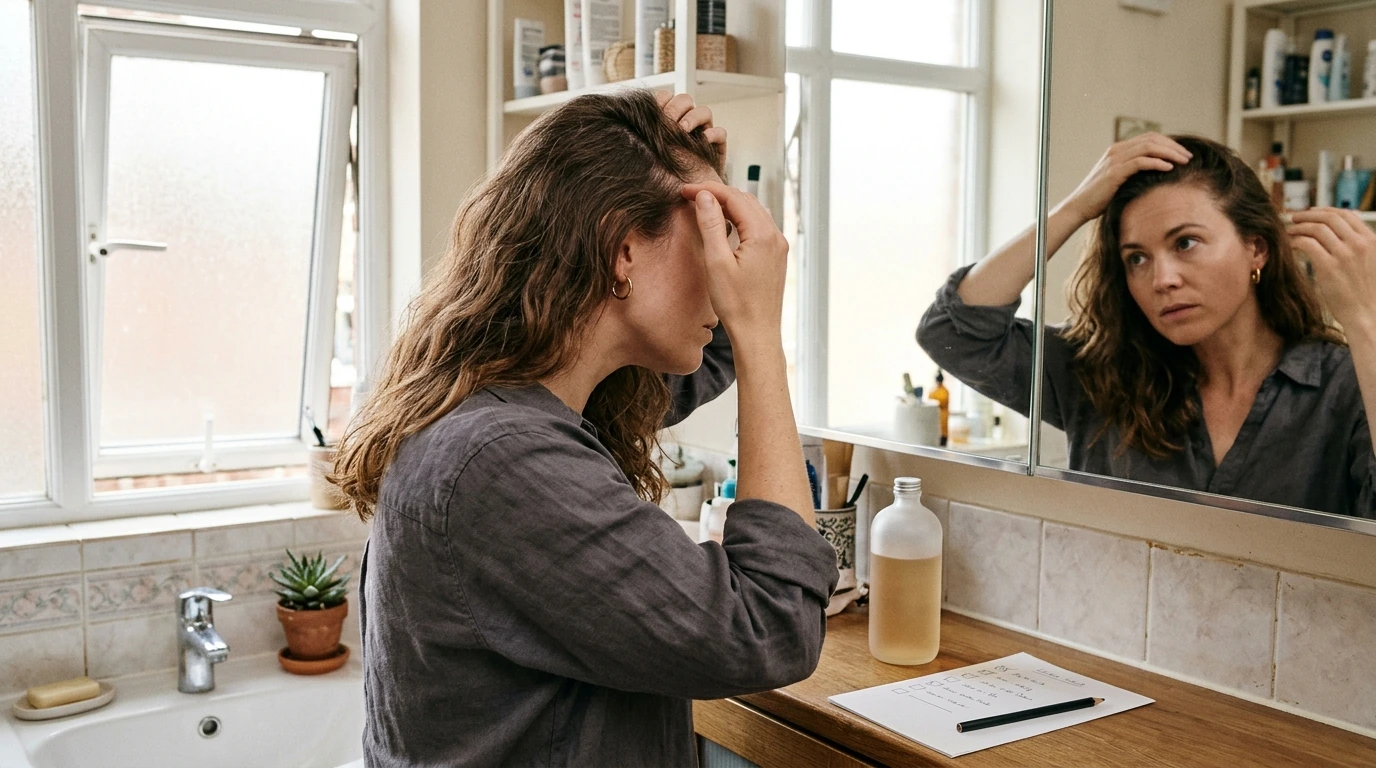
Finding the right shampoo starts with paying attention to two things: your scalp and your hair. Your scalp may need a thorough cleanse while your ends need extra moisture, or you may find that a gentle formula keeps both feeling comfortable.
Our printable checklist, The Right Shampoo for You, gives you a practical way to organize those observations before you shop. Use it alongside the starting points below to make a more considered choice, then adjust your routine as you learn what works for you.
Start with your scalp and hair
Notice how your scalp feels between washes. Does it become oily quickly, stay comfortable for several days, or feel dry or irritated? Think about how it feels after washing, too. A clean scalp should not have to feel uncomfortable for your hair to look fresh.
Next, look at your strands. Fine hair may feel weighed down by rich products, while coarse or dry hair may benefit from more moisture. Texture and strand thickness are different considerations: You can have fine strands with curls or thick strands that are straight.
Consider your treatment history as well. Color-treated, bleached, or chemically processed hair may have different needs from untreated hair, especially through the lengths and ends. A shampoo labeled for color-treated hair can be a useful starting point if you color your hair.
Your scalp and hair do not have to match. For example, you might have an oily scalp and dry ends. In that case, focus shampoo on your scalp and use conditioner on the lengths. The American Academy of Dermatology’s healthy hair tips offer more guidance on washing and conditioning.
Match shampoo choices to your needs
Think of the table as a set of starting points, not rules. Your hair can fit more than one row, and the best choice is one that leaves your scalp comfortable and your hair manageable.
| What you notice | What to look for | What to keep in mind |
|---|---|---|
| Oily scalp | A shampoo that cleanses comfortably | Focus shampoo on the scalp and adjust washing frequency as needed. |
| Dry or coarse hair | A moisturizing shampoo | Use conditioner on the lengths to help manage dryness. |
| Fine hair | A lightweight shampoo | Avoid assuming that fine strands always mean an oily scalp. |
| Color-treated hair | A shampoo labeled for color-treated hair | Follow the product directions and observe how hair feels. |
| Sensitive or irritated scalp | A gentle formula suited to sensitive skin | Stop using a product that causes irritation and seek professional advice if it persists. |
Wash frequency matters alongside product choice. If your scalp becomes oily quickly, you may prefer to wash more often. If your hair feels dry after frequent washing, try spacing washes farther apart and observe the difference. There is no single schedule that suits everyone.
When trying a different shampoo, keep the rest of your routine reasonably consistent if you can. That makes it easier to notice whether the new product changes how your scalp feels or how your hair behaves.
Use the checklist while you shop
Our team offers The Right Shampoo for You hair care checklist as a printable digital download. It is designed to help you organize the considerations that go into choosing shampoo, from scalp condition to the needs of your strands.
Keep it handy while comparing labels. You can use your observations to narrow your options: a comfortable cleanser for an oily scalp, for instance, or a moisturizing formula when your lengths feel dry. If you have more than one concern, decide which one you want your shampoo to address first and whether conditioner can help with the rest.
The checklist is listed at $4.99. Visit the product page for purchase details and keep your notes nearby when it is time to assess your choice.
Give your routine a practical check-in
After washing, notice whether your scalp feels clean and comfortable. Once your hair is dry, consider whether it feels manageable, weighed down, or drier than you would like. Look for patterns over several washes rather than making a decision based on one unusually good or bad hair day.
If a product causes irritation, stop using it. Persistent itching, flaking, or discomfort may warrant advice from a dermatologist; those concerns are not always solved by switching ordinary shampoo. The American Academy of Dermatology also explains how to treat dandruff and when to seek help.
For a small routine detail, you may prefer to remove your watch before washing your hair so you can keep its band out of the way. If you are also looking for a different everyday band, our Corduroy Fabric Strap for Apple Watch is available separately.
FAQ
How do I choose shampoo for my hair type?
Start by noticing whether your scalp tends to be oily, dry, comfortable, or irritated. Then consider your hair’s texture, strand thickness, treatment history, and how it feels after washing.
Should I choose shampoo for my scalp or my hair?
Consider both, especially when their needs differ. Shampoo primarily cleanses your scalp, while conditioner can help address dryness and manageability through your lengths.
What is the hair care checklist?
It is a printable digital download designed to help you organize your considerations when choosing shampoo for your hair.












Leave a comment