Wall-Mounted Smart Toilet: Plan Before You Install
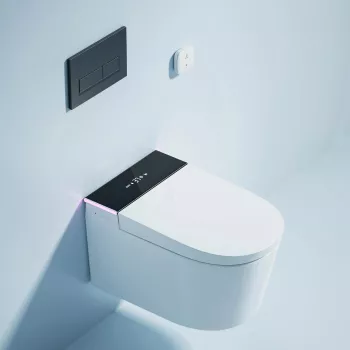
A wall-mounted toilet can change how a bathroom feels without adding another decorative element. With the bowl raised off the floor and the tank concealed behind the wall, the room can look more open and streamlined. Automatic functions may add convenience, too, but the right choice depends on more than appearance. Before you plan a renovation around our Wall Mounted Smart Toilet with Automatic Features and Concealed Tank, consider what the installation requires and which functions will serve your household.
What the Wall-Mounted Design Changes
A wall-hung bowl leaves the floor beneath it uninterrupted. That gives you a clear area to reach with a mop or cloth instead of cleaning around a floor-mounted base. It does not eliminate bathroom cleaning, but it can make one routine task more straightforward.
Concealing the tank also removes a familiar piece of hardware from view. The visible elements can be limited to the bowl and flush control, helping you maintain a tidy visual line. That finish works especially well when you want tile, cabinetry, and fixtures to feel coordinated rather than crowded. It does not, however, mean the tank disappears from the construction plan: the wall must accommodate the concealed components and an appropriate support system.
Make Room for the Installation, Not Just the Toilet
Bring a qualified installer into the conversation before purchasing or scheduling demolition. Ask them to assess the proposed wall, the compatible in-wall carrier, supply and drain locations, electrical requirements, and future service access. A concealed-tank installation may require opening an existing wall or building a new one, then finishing the surface around the fixture. Include framing, plumbing, electrical work, tile or other wall finishes, and labor in your budget and timeline.
Set the finished seat height with the people who will use the bathroom in mind. Confirm clearance in front of and beside the bowl, as well as a flush-control location that users can comfortably reach. If accessibility is a priority, discuss the applicable requirements with your installer; the U.S. Access Board’s ADA Accessibility Standards provide a reference for accessible design, though requirements for your project may differ.
| Planning item | What to confirm | Why it matters |
|---|---|---|
| Wall and carrier | Whether the proposed wall can accommodate a compatible support system | The bowl needs an appropriate mounting structure. |
| Water and drain | Supply and waste-line locations | Existing plumbing may need to be moved. |
| Power | Electrical requirements and a suitable power location | Selected smart functions may need a connection. |
| Service access | How concealed components can be reached later | Maintenance should remain practical after the wall is finished. |
Choose Automatic Features Around Your Routine
“Automatic” is most useful when you know exactly what it means for the model you are considering. Review the product specifications for the controls and functions you want rather than assuming a particular sensor, wash setting, dryer, or heated seat is included. Think about who will use each function and whether its controls will be intuitive and easy to reach.
Ask your installer which functions depend on household power and how the selected configuration operates during an outage. It is also worth learning what routine care any electronic components require. Those answers can help you distinguish features you will use every day from ones that sound appealing but do not fit your routine.
Think Through Water Use and Daily Care
For water use, compare the stated flush volume and performance information for the exact model you plan to install. The EPA’s WaterSense guidance for residential toilets offers a useful benchmark when you evaluate efficiency; do not assume a toilet carries the WaterSense label unless its specifications say so.
The open floor beneath the bowl may be easier to reach, but the bowl surface, seat, flush control, and surrounding wall still need regular attention. Follow the manufacturer’s cleaning instructions, particularly for finishes and electronic controls. Products or methods that work on tile may not be appropriate for every part of the toilet.
Bring the Whole Bathroom Plan Together
Our Wall Mounted Smart Toilet with Automatic Features and Concealed Tank is an option when you want a clean visual line and convenient daily use. Review its specifications with your installer, confirm the components and functions you want, and account for the wall and utility work before making your decision. The best result comes from treating the toilet, concealed tank, wall construction, and user comfort as one project—not as separate purchases.
We also carry items for other everyday updates, such as our Corduroy Fabric Strap for Apple Watch. For this bathroom project, though, our team recommends settling the installation details first: they determine whether the streamlined look you want will work in your space.
FAQ
Does a wall-mounted toilet need a special wall?
It needs a suitable in-wall support system and installation plan. Have a qualified installer assess the proposed wall and confirm compatible components before work begins.
Can a concealed tank still be serviced?
Yes, if service access is included in the installation plan. Ask your installer how the selected tank and controls can be reached after the wall is finished.
Do automatic features require electricity?
Power needs depend on the specific functions and configuration. Review the product requirements and plan any necessary electrical work with a qualified professional.












Leave a comment