Moving Style: Build a Smart Wardrobe That Repeats Well
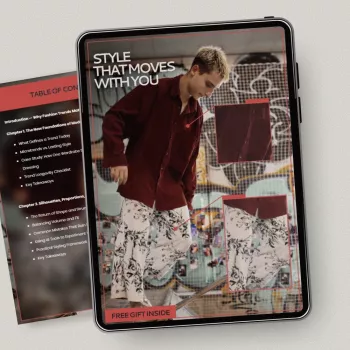
Style That Moves With You: What “Moving Style” Really Means
Your wardrobe has to keep up with the real schedule: commute, meetings, errands, school pickup, then dinner—sometimes without a full outfit change. When we talk about “moving style,” we mean outfits designed to transition across settings without looking like a compromise. You still look intentional; you just stop needing a backup outfit plan.
This approach is trending because it reflects how people actually get dressed now: comfort is treated as a design choice (think softer tailoring and flexible fabrics), repetition is intentional (signature silhouettes you can re-wear confidently), and trends are translated into wearable proportions instead of short-lived micro-moments.
Inside Our eBook: The Building Blocks of an Effortless Smart Wardrobe
Our team built the Style That Moves With You | Modern Fashion Trends Women Have to Know eBook | Smart Wardrobe & Effortless Style Guide around one goal: getting you to “ready” faster, with outfits you can repeat without feeling repetitive.
What you’ll use immediately
- A clear edit framework: keep what supports your current lifestyle and release what creates decision fatigue.
- Trend decoding made practical: which shapes and details are worth adopting for everyday wear.
- Repeatable outfit formulas: top + bottom + layer + shoe logic that works across seasons.
- Styling shortcuts that elevate basics: proportion play, texture mixing, and strategic color pairing.
- A streamlined buying approach: fill gaps that create multiple outfits, not one-off looks.
Fast outfit formulas that keep looking new
| Formula | Best for | Easy upgrade |
|---|---|---|
| Relaxed blazer + fitted tee + straight-leg denim | Work-to-weekend | Swap sneakers for a sleek loafer and add a structured bag |
| Monochrome set (top + bottom) + contrasting shoe | Busy days, travel | Add a belt or statement watch band to break up the color |
| Slip skirt + knit + light jacket | Dinner, events, elevated casual | Layer delicate jewelry and choose a sharper toe shape |
| Wide-leg trouser + tank + overshirt | Warm weather, errands | Add a refined sandal and a polished hair accessory |
Modern Fashion Trends Worth Adopting (Without Losing Your Personal Style)
You don’t need a brand-new identity to look current—you need a few updates that work with what you already wear. The most wearable trend direction right now is refinement with ease: clean lines, touchable texture, and modern proportions.
- Soft structure: relaxed blazers, fluid trousers, and knit tailoring that reads polished without feeling stiff.
- Elevated basics: better tees, tanks, and button-downs that hold shape and layer well.
- Texture as the statement: ribbed knits, satin, corduroy, and leather accents add depth without loud prints.
- Updated proportions: balance volume with a counter-shape (wide-leg bottoms with a closer top, or vice versa).
- Quietly bold color: ground brighter shades with neutrals, or choose one “signature” accent and repeat it.
If you want a reliable way to choose colors that feel modern but wearable, resources like Pantone’s color trend articles can help you spot which tones are sticking around versus flashing briefly.
A Simple Closet Reset: From “Nothing to Wear” to Repeatable Outfits
A smart wardrobe isn’t built by buying more. It’s built by making fewer, better decisions—starting with your actual week.
- Do a lifestyle check: list your weekly activities and the real dress codes you face (office, travel, events, errands).
- Choose a base palette: 2–3 neutrals plus 1–2 accent colors you can mix without effort.
- Build around “hero” layers: one great blazer/jacket plus one versatile outer layer can multiply outfits quickly.
- Prioritize shoes and bags: they set the tone—sporty, refined, edgy—without replacing the full look.
- Use accessories to signal polish: consistent metal tone, simple jewelry, and a dependable bag shape create cohesion.
For bigger-picture perspective on how fashion evolves (and why some shapes cycle back), the Metropolitan Museum of Art’s fashion timeline is a surprisingly useful reference point—especially when you’re deciding whether a “new” trend will feel timeless enough for your closet.
Small Details That Make Outfits Feel Finished (Even on Rushed Mornings)
When time is tight, your outfit doesn’t need more pieces—it needs clearer signals. The simplest path is repetition with intention: one signature that shows up again and again, plus one quick swap that changes the vibe.
For industry context on why “comfort plus polish” has become the dominant direction, you can also explore ongoing commentary and reporting through CFDA fashion industry insights.
Best Picks to Pair With the Guide (Quick Wins for Everyday Style)
- Style That Moves With You | Modern Fashion Trends Women Have to Know eBook | Smart Wardrobe & Effortless Style Guide: your foundation for editing, outfit formulas, and smarter shopping.
- Milanese Magnetic Stainless Steel Band for Apple Watch: a clean, refined finish that instantly makes basics feel more “done.”
- Corduroy Fabric Strap for Apple Watch: an easy way to add texture and soften sharper outfits.
- Premium Leather Strap for Apple Watch (49mm/45mm/44mm/41mm/40mm): a timeless option when you want warmth and polish in one move.
FAQ
Is this eBook better for beginners or for someone who already follows trends?
It works for both: beginners get structure, a clear closet-edit method, and outfit formulas, while trend-followers get a filter for deciding which trends translate into real-life outfits and which ones aren’t worth the closet clutter.
Will a smart wardrobe feel boring or too minimal?
No—“smart” means intentional and flexible, not bland. Color accents, texture, and a few consistent accessories keep everything personal while still making your wardrobe easy to repeat.
What’s the fastest change for looking more put-together without buying a whole new wardrobe?
Focus on one polished layer (like a blazer or structured jacket), a consistent shoe strategy, and one refined accessory swap—updating something as simple as your watch band can elevate everyday basics immediately.








Leave a comment