Car Stalled? Safety Steps, Quick Restart Checks & Prevention
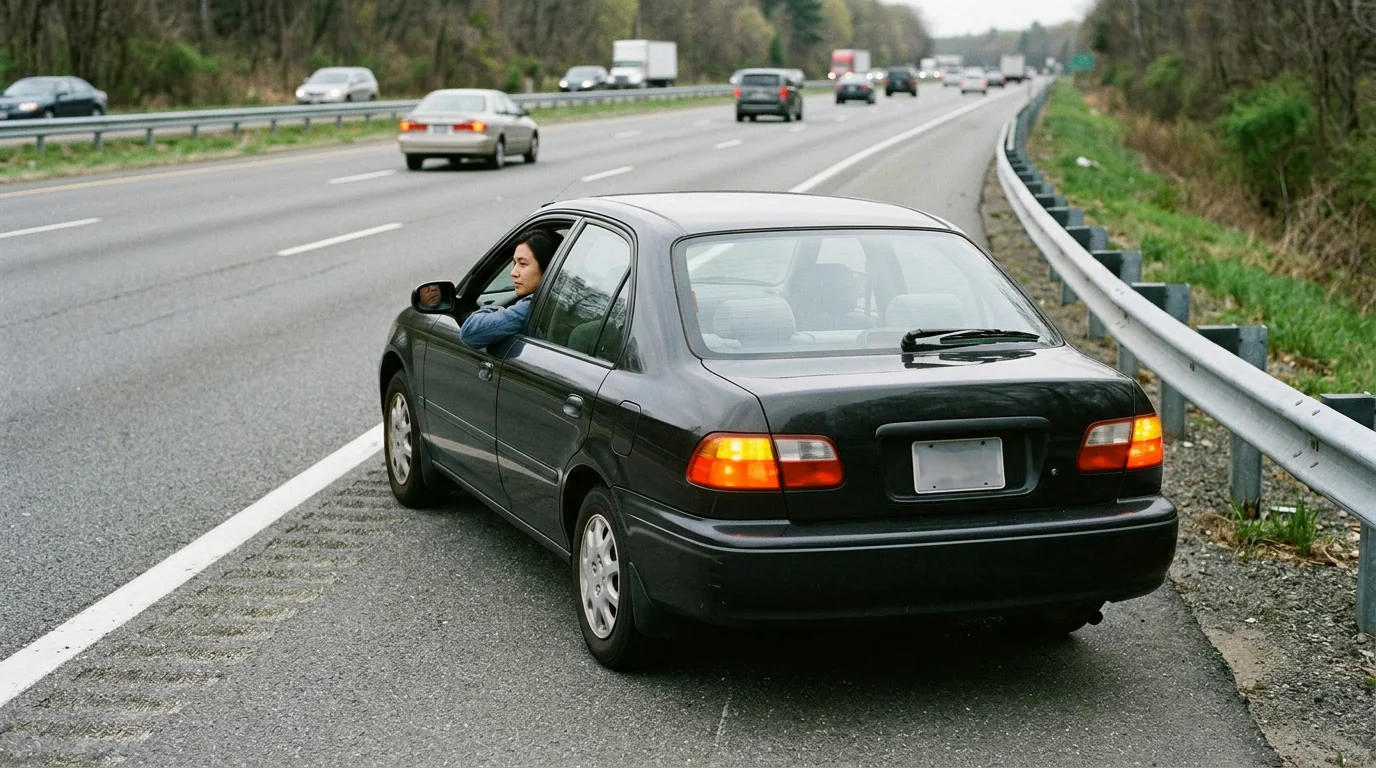
When Your Car Stalls: Practical Safety Steps, Quick Checks, and Prevention
A stall can happen at the worst moment—at an intersection, on a highway ramp, or in heavy rain. Our priority is always the same: keep people safe first, then get the vehicle to a secure spot, then troubleshoot in simple, low-risk steps. Below is a calm, repeatable sequence you can follow under pressure, plus habits that reduce repeat stalls.
Immediate safety sequence (first 60 seconds)
- Stay calm, keep both hands steady on the wheel, and quickly assess traffic around you.
- Turn on hazard lights immediately; if visibility is poor, also turn on headlights.
- Coast toward the safest reachable location: shoulder, breakdown bay, parking lot, or the rightmost lane—avoid stopping in a live lane if at all possible.
- If steering suddenly feels heavy (common after an engine stall), use firm, controlled input; power steering assist may be reduced or absent.
- If braking feels harder than normal, apply steady pressure; brake boost may be reduced after a stall.
- Once stopped, shift to Park (or Neutral for manual), apply the parking brake, and keep hazards on.
- If you stop on a highway shoulder, keep wheels turned away from traffic when feasible and remain belted until it’s safe to exit.
Make the scene safe before troubleshooting
- Decide whether to stay in the car: on a busy shoulder, it’s often safer to remain belted with doors locked. If there’s smoke, fire risk, or you’re stopped in a dangerous location, exit and move well away from traffic.
- If you exit, leave from the side away from traffic when possible and stand behind a guardrail or far from the roadway.
- Increase visibility: at night or low visibility, use a reflective vest if you have one; place warning triangles/flares only if it’s genuinely safe to do so.
- Call for help early if needed: if you’re in an unsafe area, have passengers, or conditions are severe, contact roadside assistance or emergency services first—troubleshooting comes second.
For broader emergency guidance, reputable references include NHTSA and AAA.
Step-by-step restart checklist (low-risk checks)
- Confirm the basics: fuel level (don’t trust a bouncing gauge), gear selector fully in Park/Neutral, and that the steering wheel isn’t locked against the ignition (if applicable).
- Cycle the ignition once: key off for 10 seconds, then restart. For push-button start, follow your manufacturer’s procedure; avoid repeated rapid attempts.
- Listen and observe: does the engine crank strongly, crank slowly, click, or stay silent? Do warning lights change when you attempt to start?
- If it restarts, let it idle for 30–60 seconds, then test gently: hazards on, minimal throttle, and move only if it feels stable.
- If it stalls again immediately, stop trying to drive in traffic—treat it as a recurring fault and arrange a tow.
- Avoid risky roadside actions: don’t open fuel lines, don’t crawl under the car near traffic, and don’t touch hot engine components.
Quick symptom-to-next-step guide
| What happens when you try to start | What it often suggests | What to do next (safe actions) |
|---|---|---|
| Engine cranks normally but won’t start | Fuel/ignition/air issue, immobilizer, flooded engine | Wait 30–60 seconds; try once more; check for obvious dash warnings; call roadside if no start |
| Rapid clicking or slow cranking | Weak battery/poor connection | Turn off accessories; try one restart; if no start, request a jump or tow |
| No crank, dash lights on | Starter/relay/neutral safety switch | Ensure fully in Park/Neutral; try Neutral; if still no crank, call for help |
| Stalls at idle but restarts | Vacuum leak, sensor issue, dirty throttle body, low fuel pressure | Keep RPM gentle only to reach a safe spot; avoid highways; arrange service if it repeats |
| Stalls when braking/turning | Idle control issue, low fluid, torque converter/clutch problem | Do not continue driving in traffic; seek tow/service |
If the stall happened in specific situations (what to do differently)
Prevention habits that reduce stalls
Using AI-style troubleshooting prompts (without guessing or taking risks)
Keep a simple script handy for the moment it matters
A stall is stressful because it’s sudden; a short “do this next” script helps you avoid risky decisions. Our team put together a compact, action-focused walkthrough you can keep on your phone: When Your Car Stalls – Practical Safety Guide (Step-by-Step Actions, Prevention Tips & AI Troubleshooting).
If you prefer to keep a checklist accessible on your wrist while your phone is busy (calling roadside assistance, sharing location, or running a flashlight), these in-stock options can help keep your watch secure during a roadside moment: milanese-magnetic-stainless-steel-band-for-apple-watch and Corduroy Fabric Strap for Apple Watch.
FAQ
Is it safe to restart the car immediately after it stalls?
Yes in many cases, but only after your hazards are on and you’ve stabilized the vehicle’s path and speed. Make one or two deliberate restart attempts, then stop repeated tries and call for help if it won’t start or won’t stay running.
Why does a car stall when stopping or braking?
Common causes include idle control or throttle body problems, vacuum leaks, sensor faults, or drivetrain issues like a torque converter or clutch concern. If it repeats, minimize driving—especially in traffic—and arrange service rather than pushing your luck.
What should be done if the car stalls on a highway shoulder at night?
Keep hazards on, stay belted, and call roadside assistance as soon as you can. Exit only if it’s clearly safer than staying inside, and if you do, move well away from traffic and increase your visibility.















Leave a comment