Keep Kids Safe in Summer Heat: Practical Tips
What are some heat safety tips for the summer?
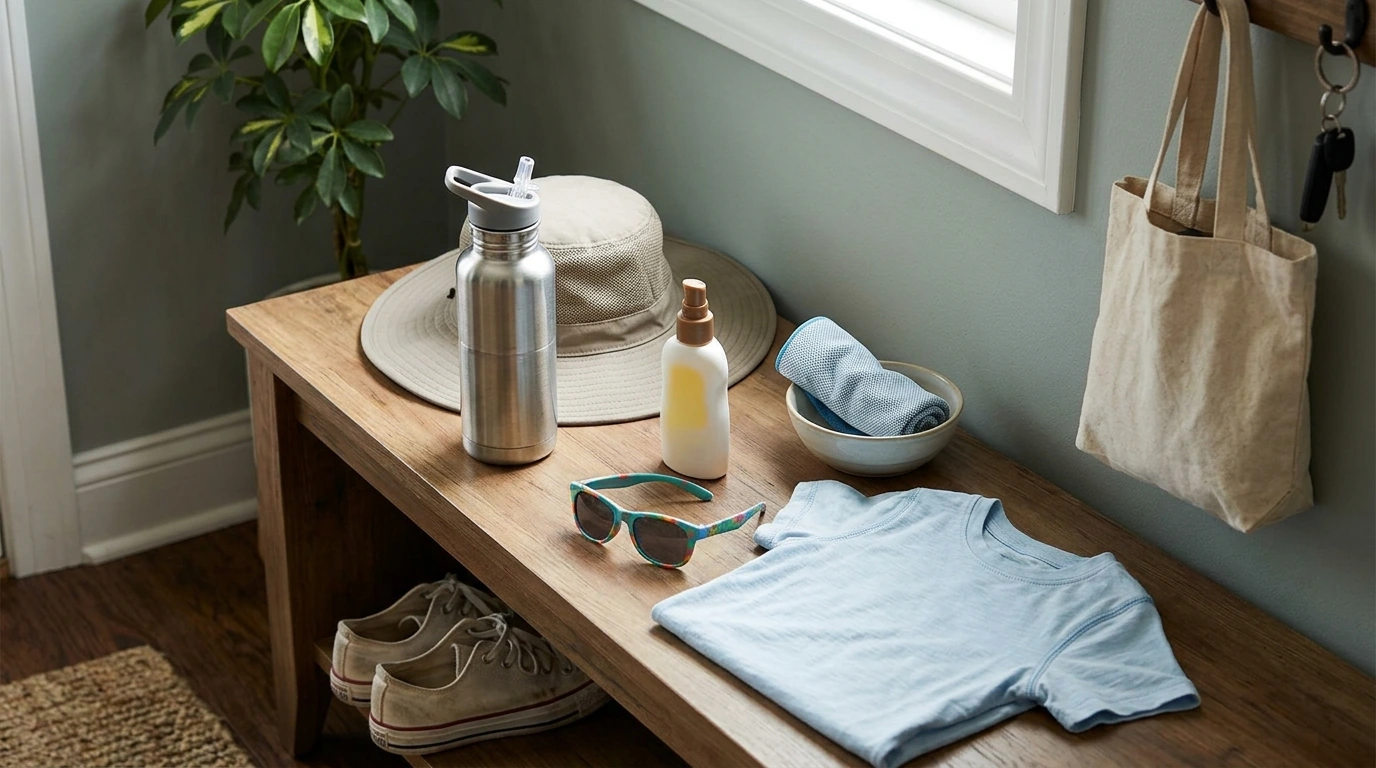
Hot weather can turn an ordinary afternoon outside into a health risk, especially for young children. A few simple habits—planning around the heat, drinking regularly, and taking breaks in cool places—can help everyone enjoy summer more safely.
Plan outdoor activities for cooler hours
Schedule active play for the morning or evening when temperatures are lower, and take frequent breaks during outdoor activities. Pay attention to local heat advisories, and move plans indoors when conditions feel dangerously hot or humid. Children may keep playing even when they need a rest, so adults should set regular break times.
Offer water often
Encourage children to drink water before, during, and after playing outside, even if they don’t say they’re thirsty. Bring a refillable bottle and pause for drinks in the shade. For most everyday outdoor play, water is a good choice; ask a health care professional for advice if a child has special hydration needs.
Use shade, light clothing, and sunscreen
Choose loose-fitting, lightweight clothing and take breaks under trees, a canopy, or another shaded spot. Apply broad-spectrum sunscreen with SPF 30 or higher to exposed skin, and reapply according to the label, especially after swimming or sweating. Sunscreen helps protect skin from sun damage, but it does not prevent overheating—shade and cooling breaks still matter.
Know the signs of heat illness
Watch for headache, dizziness, nausea, unusual tiredness, heavy sweating, or muscle cramps. Move the person to a cooler place, loosen extra clothing, and offer small sips of water if they are alert and able to drink. Confusion, fainting, seizures, or very hot skin can signal a medical emergency. Call 911, begin cooling the person, and don’t give fluids if they are unconscious or unable to swallow safely.
Never leave a child in a parked car
A vehicle can heat up quickly, even with the windows cracked or on a mild day. Never leave a child alone in a car, even for a brief errand. Check the back seat before locking up, and keep parked cars locked so children can’t climb inside unnoticed.
For more ideas focused on children, read the guide to kids’ summer heat safety, hydration, shade, and sunscreen.
FAQ
What are the signs of heat exhaustion in children?
Heat exhaustion can cause heavy sweating, weakness, dizziness, headache, nausea, or muscle cramps. Move the child to a cool place and seek urgent medical help if symptoms worsen or don’t improve quickly.















Leave a comment