Essential Reptile Care: Setup, Heat, UVB, Feeding
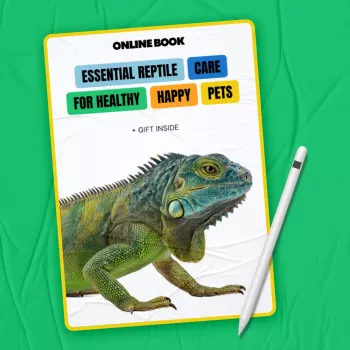
Essential Reptile Care for Healthy, Happy Pets: A Practical Guide for New and Seasoned Keepers
Healthy reptile keeping comes down to getting the environment and routine right: proper heat and UVB, species-appropriate humidity, safe enclosure setup, balanced feeding, and early attention to subtle health changes. Reptiles are masters at hiding illness, so small improvements in daily husbandry can make a big difference over time. Use the sections below as a practical framework you can apply to many common pet reptiles—then fine-tune the numbers and equipment to your exact species. For more guidance, see Reptiles as Pets: What to Know Before (and After) You ….
Start With the Right Setup: Species Needs First
Before buying equipment, pin down the reptile’s natural “style” of living: tropical vs. desert, arboreal vs. ground-dwelling, or semi-aquatic. Those traits determine temperature gradients, humidity range, substrate choice, and where hides and climbing structures should go. For further reading, see Reptiles Beginners Series Textbook – team.musicaeterna.org.
- Choose space for a real gradient: a warm side and a cool side (or multiple zones) lets your reptile thermoregulate. Cramped enclosures are a frequent cause of chronic stress and sluggish digestion.
- Ventilation + security matter equally: use tight-fitting lids or escape-proof front doors, and place the habitat on stable shelving away from drafts and direct sun.
- Plan for adult size: many “starter” tanks are outgrown quickly, especially bearded dragons, larger geckos, and common pet snakes.
Heat, Lighting, and UVB: The Daily Foundation
Most husbandry problems trace back to temperatures that are too cool, too hot, or too uniform. Aim for a warm basking zone plus a cooler retreat—then measure where the animal actually sits.
- Create a gradient, not a single number: offer a basking surface temperature and a cooler hide so your reptile can choose.
- Use thermostats: unregulated heat mats and bulbs can cause severe burns. Thermostat probes should be secured so they can’t be dragged or buried.
- UVB for the right species: many diurnal lizards and numerous chelonians rely on UVB for vitamin D3 synthesis and calcium metabolism. Replace UVB bulbs on schedule even if they still look “bright.”
- Set day/night with timers: avoid colored nighttime bulbs that disrupt normal behavior. If night heat is needed, use a ceramic heat emitter or radiant heat panel.
- Measure precisely: use a probe thermometer for basking surfaces and a digital hygrometer for humidity zones.
| Reptile type | Key heat goal | UVB note | Humidity focus | Common mistake to avoid |
|---|---|---|---|---|
| Diurnal lizard (e.g., many agamids/iguanids) | Hot basking spot + cooler side | Often essential; use proper strength/distance | Match species range; provide gradients | No UVB or UVB too weak/too far away |
| Crepuscular/nocturnal gecko (species-dependent) | Warm hide plus ambient warmth | Some benefit depending on species and diet | Provide humid hide if needed | Overheating the whole enclosure |
| Snake | Warm hide + cool hide | Usually optional; can aid naturalism/behavior | Depends on species; offer humid hide during shed | Single hotspot with no cool retreat |
| Chelonian (species-dependent) | Basking area + water/land thermoregulation | Typically important for many species | Water quality/humidity are critical | Small basking platform or poor filtration |
Substrate, Decor, and Enrichment: Safe and Functional
Decor isn’t just aesthetic—done right, it makes your reptile feel safe enough to explore, bask, and eat consistently.
Feeding and Hydration: Build a Species-Appropriate Routine
Handling and Stress Reduction: Confidence Without Overdoing It
Cleaning, Biosecurity, and Parasite Prevention
Clean enclosures support better breathing, healthier skin, and fewer pest problems. They also protect people in the household: reptiles can carry Salmonella even when they look healthy, so basic hygiene matters. See guidance from the CDC and AVMA.
Health Monitoring: Catch Problems Early
- Track weight and feeding: a small kitchen scale and quick notes can highlight trends.
- Know the red flags: persistent lack of appetite, wheezing or bubbles at the nose, swollen joints, abnormal posture, retained shed, diarrhea, or unusual lethargy.
- Support proper shedding: correct humidity, a humid hide when needed, and rough surfaces for rubbing. Avoid peeling shed skin.
- Prevent metabolic bone disease: provide correct UVB (where applicable), calcium supplementation, and proper temperatures for digestion and nutrient use. (More background: Merck Veterinary Manual.)
- Know when to see an exotics vet: breathing difficulty, severe dehydration, prolapse, repeated regurgitation, or sudden neurologic signs should be treated as urgent.
A Handy Reference for Day-to-Day Care
Recommended Guides & Tools
- Essential Reptile Care for Healthy, Happy Pets (eBook)
- milanese-magnetic-stainless-steel-band-for-apple-watch (useful for setting lighting/feeding reminders and keeping routines consistent)
- Corduroy Fabric Strap for Apple Watch (comfortable option for daily care check notifications)
FAQ
Do reptiles need UVB light?
Many diurnal lizards and numerous chelonians require UVB to help the body make vitamin D3 and properly use calcium. Some nocturnal species may still benefit depending on their diet and setup, but bulb strength, distance, and species-specific needs are crucial.
How often should a reptile’s enclosure be cleaned?
Spot-clean daily by removing waste and uneaten food, then disinfect high-contact surfaces regularly. Plan a deeper clean every few weeks (or sooner) based on your substrate type, humidity levels, and how quickly waste builds up, and rinse thoroughly to avoid chemical residues.
What are early signs a reptile might be sick?
Early signs can include reduced appetite, weight loss, abnormal stools, wheezing or mucus, persistent hiding or lethargy, retained shed, swelling, or changes in posture. If symptoms persist or breathing looks abnormal, an exotics vet visit is the safest next step.















Leave a comment